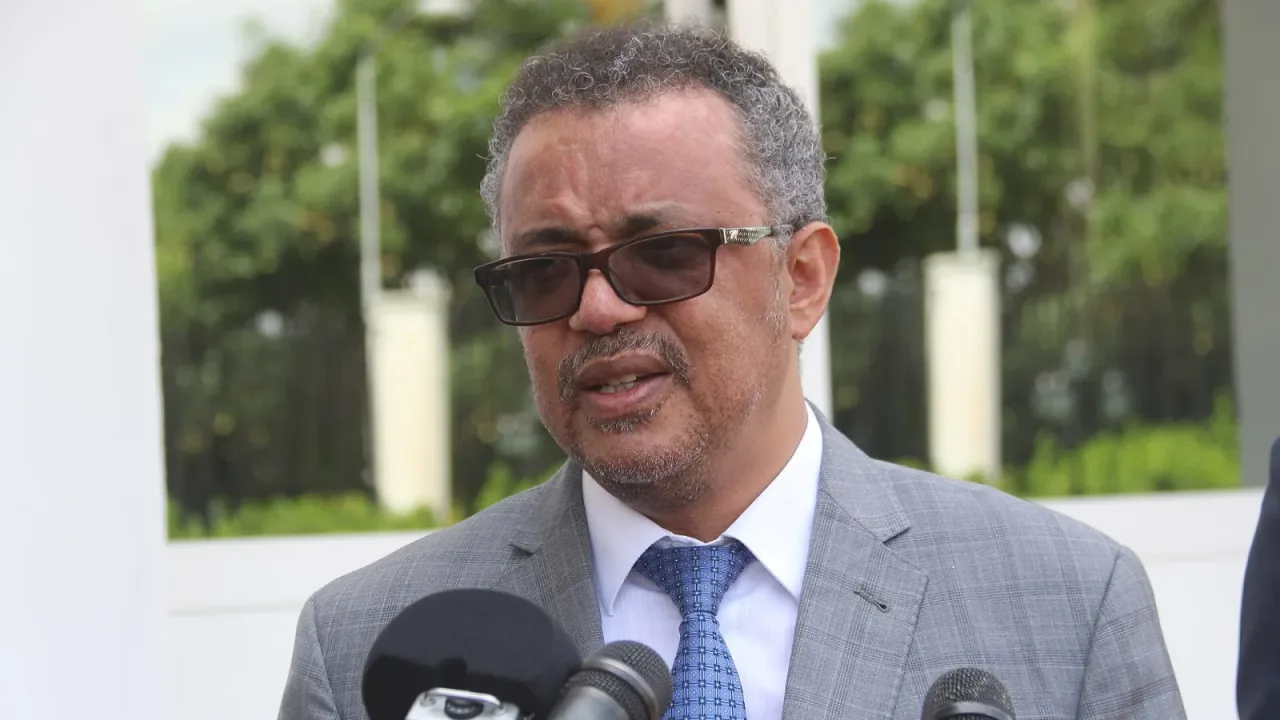
WHO Director-General Tedros Adhanom Ghebreyesus called for an immediate end to violence after heavy fighting near a hospital in the Democratic Republic of the Congo’s northeastern Ituri province severely disrupted Ebola response operations and forced medical personnel to shelter inside a maternity ward.
Tedros stated on Sunday that intense combat in the vicinity of the facility, located near the origin point of the current Ebola outbreak, placed patients, families, and healthcare staff in grave danger. Medical workers and humanitarian partners remained trapped inside the hospital’s maternity section for more than 24 hours while the World Health Organization attempted to coordinate a safe evacuation and secure protection for the facility, staff, and patients.
As of Nov. 17, the WHO reported 5,678 deaths out of 11,613 recorded cases in the country, establishing this event as the largest and deadliest Ebola outbreak in the history of the Democratic Republic of the Congo. Additional estimates indicate the total death toll has climbed above 5,700. Despite brief slowdowns in select areas, high levels of sustained viral transmission persist across the country, with Ituri and North Kivu remaining the most severely affected provinces.
Armed Violence and Population Displacement
The virus, which is transmitted through direct contact with infected bodily fluids, has swept across large swathes of eastern and northeastern DRC. The region has been plagued by ongoing violence for more than 30 years, creating extreme security risks for medical responders and public health teams.
Earlier in November, armed men suspected of ties to an ISIL-affiliated group raided multiple villages in North Kivu province, killing dozens of residents. The violence caused both confirmed and suspected Ebola patients to flee treatment centers, raising fears of wider community transmission. Furthermore, ongoing fighting between Congolese government forces and the Rwanda-backed M23 armed group, which has seized major cities in the east, has severely hampered the transport of vital medical supplies and experts to remote locations.
Attacks on medical facilities and specialized burial teams have escalated, while responders frequently face suspicion and hostility from frightened communities. In some cases, healthcare workers and patients who survive violence or infection find themselves shunned by neighbors and relatives.
Strain Severity and Containment Hurdles
The ongoing crisis represents the 17th Ebola outbreak in the DRC, driven by the rare Bundibugyo variant. Unlike more common strains, there is currently no proven vaccine or approved medical treatment available for the Bundibugyo variant, and nearly 50 percent of those infected have died. United Nations officials warned that the rate of viral spread is outstripping international response efforts and indicated that halting the outbreak could take up to 12 months if necessary funding is provided.
Health specialists emphasize that containing the disease requires intensive community-based surveillance and door-to-door educational campaigns, not only in epicenters like Ituri and North Kivu but also in high-risk transit hubs where population movement is frequent. During previous major outbreaks, such as the West African epidemic from 2013 to 2016 that recorded 28,600 cases and 11,300 deaths, community resistance and secret burials hampered containment until local faith leaders intervened to shift cultural practices surrounding death and care.
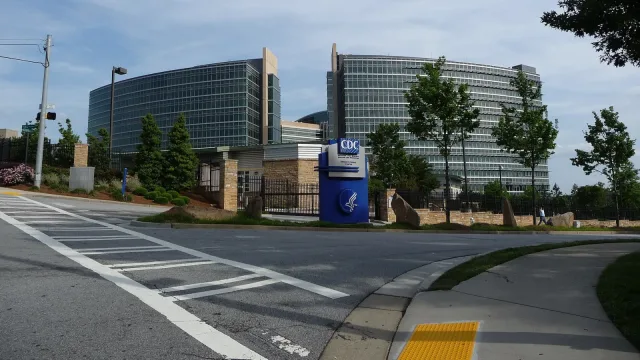
Experts also stress the necessity of keeping international borders open, including with the U.S. and European nations. Open travel channels allow specialized personnel from organizations like the Centers for Disease Control and Prevention to deploy quickly, share technical expertise, and support local medical teams working on the front lines of the outbreak.