U.S. stock markets suffered a steep sell-off last week as mounting doubts over artificial intelligence investments battered major technology shares, sending the Nasdaq index down 10 percent in its worst weekly performance since March 2020. Both the S&P 500 and the Dow Jones Industrial Average entered correction territory by Friday’s close, each falling 10 percent from recent record highs, according to NPR and Yahoo Finance reports.
Multiple Pressures Hit Market
The market slide followed a confluence of political, regulatory, and corporate developments that eroded investor confidence. Following the recent midterm elections, Democrats gained control of both chambers of Congress and won state executive offices, including the Texas governorship secured by Democrat Gina Hinojosa, NPR reported. Legislative proposals and local ballot initiatives aim to restrict or slow data center construction, creating uncertainty around future energy access and operational costs.
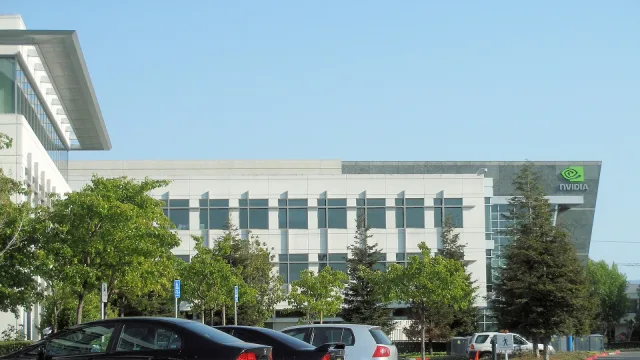
Leadership turmoil at top chipmakers further unsettled Wall Street. Nvidia founder Jensen Huang stepped down as chief executive officer earlier this month amid inquiries concerning an alleged affair with a woman believed to be spying for Beijing, according to NPR. Nvidia’s stock plummeted 23 percent over five trading days, suffering its worst week since October 2008 and falling to fourth place among the world’s most valuable companies, Yahoo Finance reported. Interim Chief Executive Officer Colette Kress has assumed leadership, though analysts pointed to lingering questions over a permanent successor and regulatory inquiries. Despite the leadership vacancy, Nvidia reported third-quarter revenue more than doubled to $115.84 billion, surpassing revenue estimates for the 17th consecutive quarter.
Macroeconomic factors also compounded market pressure. The Federal Reserve raised interest rates in September for the first time in over three years, raising borrowing costs for companies funding capital-intensive data centers, NPR reported. Federal Reserve officials indicated additional rate increases might be required to push inflation back down toward the central bank’s target from its current 3 percent level.
IPO Debut Fails to Lift Tech Shares
Investors had anticipated that the public trading debut of AI company Anthropic on Thursday would reinvigorate tech stocks. Led by Chief Executive Officer Dario Amodei and President Daniela Amodei, Anthropic opened 34 percent above its $83 initial public offering price, Yahoo Finance and Business Insider reported. However, by Friday afternoon, the stock surrendered most of those gains, falling more than 8 percent to close near its initial debut price.
Other major semiconductor producers also faced heavy selling. AMD shares dropped following a short-seller report and new U.S. export restrictions limiting chip sales to China, Yahoo Finance reported.
Financial analysts expressed concern over complex circular financing throughout the sector. Nvidia holds equity stakes in companies like Anthropic and cloud infrastructure provider CoreWeave, while also extending loans to firms that purchase its processing chips, NPR reported. While artificial intelligence investments helped propel U.S. economic growth to a 3.4 percent annual rate in the recent quarter, commentators warned that financial distress at major players could ripple across wider financial markets.
Debate Over Market Future
Wall Street remains divided on whether the market drop represents a necessary valuation adjustment or an extended decline. Rebecca Patterson, former chief investment strategist at Bridgewater Associates, told Yahoo Finance that lower tech valuations are rational given executive changes, export restrictions, and impending Congressional scrutiny of data centers.
Hank Smith, head of investment strategy at Haverford Trust, told NPR he expects technology stocks will require time to recover, though he noted leading companies driving the sector maintain stronger financial foundations than tech firms did during the dot-com era.
Some investors see buying opportunities amid the volatility. Semiconductor investor Dan Niles of Niles Investment Management told Business Insider that value remains in select chipmakers, noting he recently established a long position in Nvidia. What happens next will depend on corporate earnings forecasts in early 2027 and regulatory decisions by the incoming Congress.