Asian stock markets opened with significant losses on Monday, extending a tech-heavy global sell-off triggered by growing doubts about the financial sustainability of the artificial intelligence boom. The decline followed a sharp downturn on Wall Street on Friday, where major stock indexes posted heavy losses.
The turmoil in Asia hit key technology hubs, with South Korea’s benchmark Korea Composite Stock Price Index falling as much as 5.8 percent before paring some losses to trade down 3.2 percent in the afternoon, Al Jazeera reported. Semiconductor memory giants Samsung Electronics and SK Hynix both experienced steep declines. In Hong Kong, the Hang Seng Index dropped nearly 2 percent during morning trading before trimming losses to 0.6 percent, while mainland China’s CSI 300 Index in Shanghai similarly pared morning losses of 1.3 percent to close down 0.6 percent, according to Al Jazeera reports.
Japan’s financial markets were closed on Monday for the Labour Thanksgiving Day holiday, while stock indexes in Sydney, Singapore, Wellington, and Jakarta all traded deep in negative territory, Yahoo Finance reported. Taiwan’s Taiex index initially opened lower before rebounding to gain 2.5 percent after Taiwanese authorities moved to restrict short selling in an effort to stabilize equities.
Wall Street Rout Triggers Global Anxiety
The Asian market retreat followed a punishing Friday session on Wall Street, where the tech-heavy Nasdaq Composite dropped 5.3 percent, wiping out all of its gains for 2026, according to Al Jazeera. The index has lost nearly a fifth of its value since reaching a record high last month. The broader S&P 500 index declined 3.7 percent on Friday, entering market correction territory, which is defined as a drop of 10 percent or more from a recent peak.
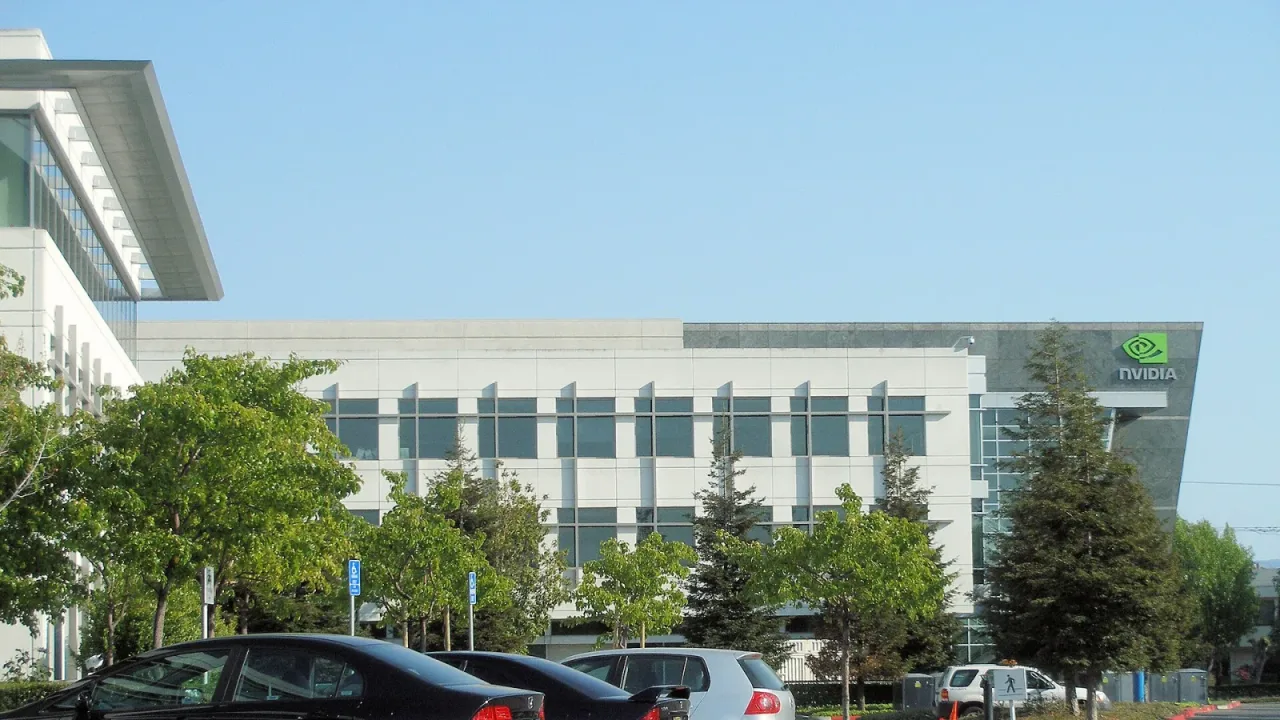
The Friday plunge in New York was driven by a 14 percent collapse in the share price of chip producer Nvidia, Yahoo Finance reported. Nvidia has been embroiled in an alleged espionage scandal involving its former chief executive, Jensen Huang. Market anxiety was further heightened after the U.S. Commerce Department moved to close a regulatory loophole that allowed Chinese companies remote access to Nvidia’s advanced AI chips.
Although artificial intelligence firm Anthropic recently launched a blockbuster initial public offering, the debut failed to halt the broader market sell-off, according to reporting by Yahoo Finance.
Questions Over Infrastructure Investments
Investors have expressed increasing concern over whether tech corporations can justify trillions of dollars spent on data centers and specialized hardware to train and run artificial intelligence systems. Insights firm Gartner projected that global spending on AI-related infrastructure will reach $2.7 trillion in 2026 and $3.6 trillion in 2027, Al Jazeera reported.
The high volume of debt-funded expenditure has sparked debate among financial analysts regarding whether the current AI market resembles the dot-com bubble of 2000. Additionally, political shifts in the United States have weighed on market sentiment following the Democratic Party’s victories in the midterm elections, which analysts expect could slow data center construction nationwide.
Analyst Rajat Agarwal of Societe Generale told Al Jazeera that investors are assessing whether the sell-off went too far, describing Friday’s U.S. tech index drop as “a more than a three-standard-deviation event.” Stephen Innes of SPI Asset Management noted to Yahoo Finance that declines in major chip suppliers indicate investors remain focused on reducing risk exposure.
Looking Ahead
Governments and regulatory bodies across Asia have begun taking steps to insulate their domestic economies from further market volatility. South Korea has reportedly considered activating an economic stabilization fund that has remained unused since the global financial crisis, while Chinese officials eased borrowing rules for stock purchases, according to Yahoo Finance.
Despite the recent losses, U.S. stock futures indicated potential stabilization ahead, with S&P 500 futures rising 2.2 percent and Nasdaq futures advancing 2.9 percent early Monday morning, Al Jazeera reported. South Korean trade data also showed early November semiconductor exports surged 294.4 percent year-over-year. However, analysts expect AI investment concerns and regulatory developments to continue driving market volatility throughout the week.