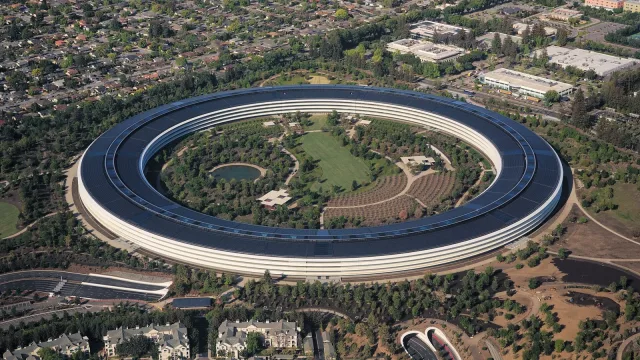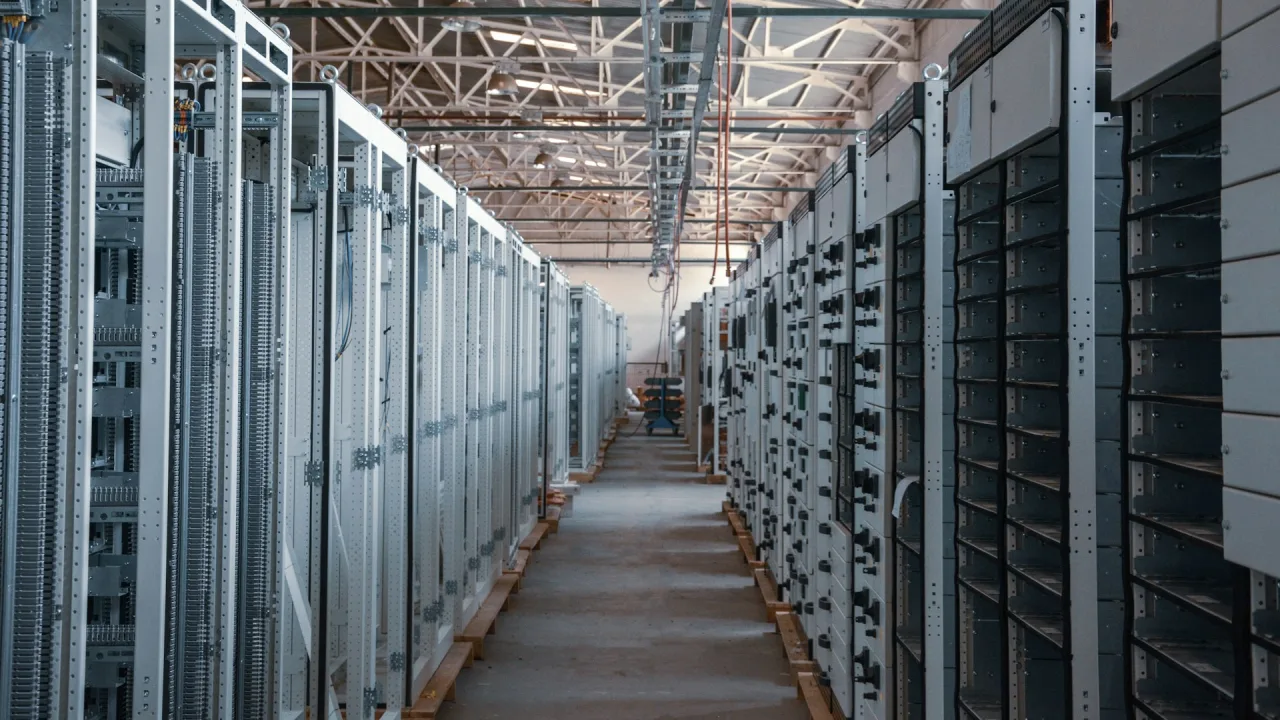
A small fraction of massive data centers in the United States consumes nearly 2 percent of the nation’s total electricity, generating carbon emissions on par with entire countries, according to a Harvard University study published in the journal Nature Sustainability.
Researchers analyzed 403 hyperscale data centers across the country from May 2024 through April 2025. The study found that these large facilities used 68 to 99 terawatt-hours of power during that period, representing about 1.8 percent of all U.S. electricity consumption, CNET reported. The total power consumed equals or exceeds the annual electricity usage of states such as Wisconsin, Minnesota, Michigan, and Indiana, according to Time Magazine.
Heavy reliance on fossil fuels
Despite corporate commitments from major tech companies to invest in clean energy, fossil fuels provided most of the electricity to these facilities. Natural gas and coal generated approximately 54 percent of the power used by the 403 hyperscale centers, the study revealed.
That reliance resulted in an estimated 25.7 million metric tons of carbon dioxide emissions over the 12-month period. According to researchers, that carbon footprint equals the total annual greenhouse gas output of Denmark, standard industry metrics showed. John Sterman, director of the MIT System Dynamics group, noted to The Verge that the power burn of these facilities surpasses the individual electricity consumption of roughly 148 nations.
Lead author Gianluca Guidi, a postdoctoral researcher at the Harvard T.H. Chan School of Public Health, emphasized that location plays a crucial role in environmental impact. Power grids heavily reliant on coal, such as in Wyoming, created about seven times more carbon emissions per kilowatt-hour than hydro-powered grids in Oregon, Guidi explained to The Verge.
Regional concentration and future impacts
The research highlighted a heavy geographic concentration of these power-hungry operations. Half of all electricity consumed by the studied facilities was concentrated in just four states: Virginia, Oregon, Ohio, and Iowa, Time Magazine reported. Virginia contained 142 hyperscale facilities using roughly 21.4 terawatt-hours annually, while Iowa hosted 26 facilities accounting for approximately 7.2 terawatt-hours, showing a higher average power demand per facility in Iowa.
Because tech firms rarely disclose detailed energy metrics publicly, the Harvard team used satellite imagery to identify facility locations and combined electrical capacity estimates with Environmental Protection Agency grid data, CNET reported.
Experts warn that expanding infrastructure to meet growing demand for cloud computing and generative artificial intelligence could lock in dirty energy sources for years to come. Fengqi You, an energy systems engineering professor at Cornell University, told The Verge that power plants built today to serve data center demand risk creating decades of sustained carbon emissions.
Researchers noted that their findings reflect data ending in early 2025, meaning the footprint of hyperscale facilities has likely expanded further. Former White House national climate advisor Gina McCarthy urged for greater transparency, stating that independent data is essential for policymakers and local communities evaluating the local and global environmental impacts of data centers.