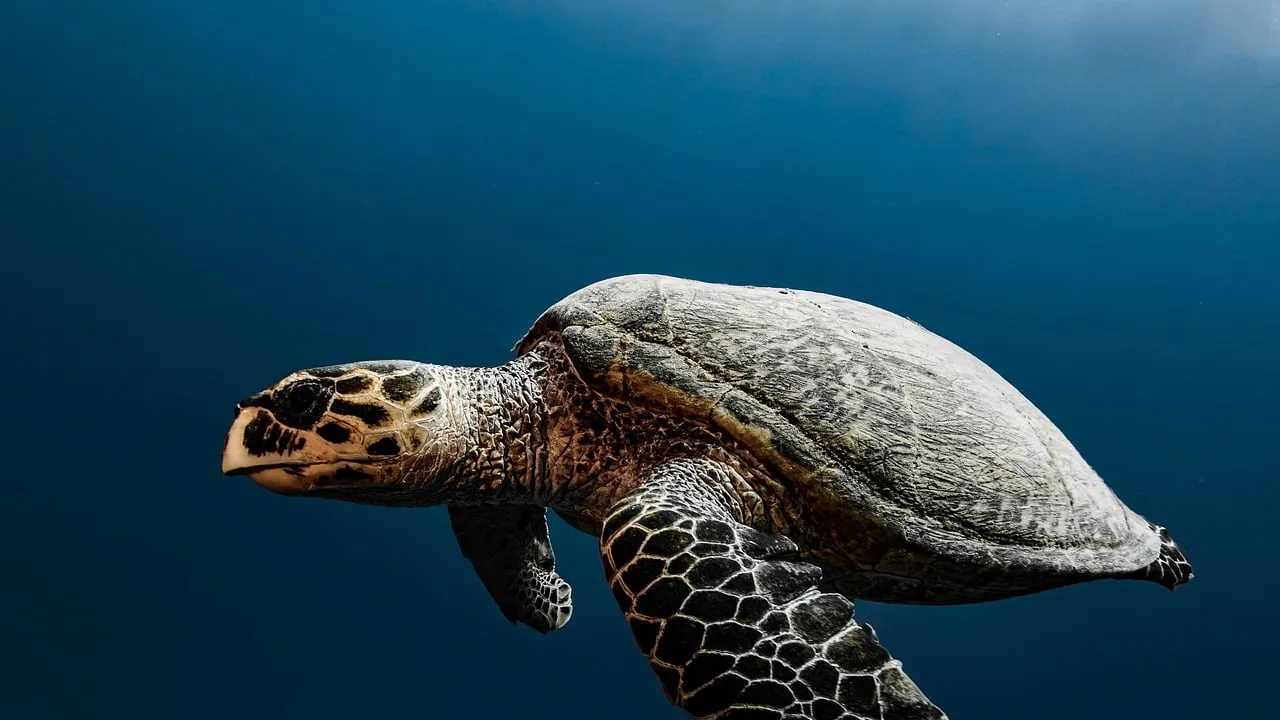
A total of 75 baby olive ridley sea turtles were released into the Pacific Ocean off Southern California after emerging from eggs laid in the first documented sea turtle nests on the U.S. West Coast, aquarium officials announced over the weekend. The hatchlings emerged following a 58-day incubation period under the care of experts at the Aquarium of the Pacific in Long Beach.
The hatchlings entered the ocean in two separate releases, according to statements posted online by the Aquarium of the Pacific. On Saturday morning, officials guided 54 newborn turtles from a Seal Beach nest into coastal waters during the dark early hours to minimize light pollution and human interference. A second group of 21 hatchlings, which emerged from a nest originally discovered on Huntington Beach, was released into the Pacific early Sunday morning.
The historic sequence of events began Sept. 16, when a female olive ridley sea turtle was observed excavating sand and depositing eggs at Seal Beach. Three days later, on Sept. 19, another sea turtle arrived to lay eggs at Huntington Beach. Prior to these discoveries, scientists had never documented sea turtles nesting on the U.S. West Coast, as the species typically nests along warmer tropical coastlines such as the southern tip of Baja California in Mexico, as well as locations across the Indian and Atlantic oceans.
Relocating the Eggs to Safety
As Hurricane Polo began forming in late September, researchers from the Aquarium of the Pacific collaborated with federal and local wildlife agencies to protect the vulnerable eggs. Conservation team members carefully excavated and transferred a total of 204 eggs from both the Seal Beach and Huntington Beach nesting sites to the aquarium’s specialized animal care facility in Long Beach.
“As animals adapt in unexpected ways to changes in their natural world, humans will need to adapt and make space to ensure endangered and threatened species are given a fighting chance,” Jeffrey Flocken, president and CEO of the Aquarium of the Pacific, said in a statement. Flocken added that if the hatchlings survive to maturity, they could potentially return to the exact same Southern California beaches to nest in future years, offering a rare chance for the species to expand its natural range.
Climate Factors and Ocean Warming
Scientists attribute the unprecedented nesting activity to elevated sea surface temperatures driven by this year’s El Niño climate pattern. The Aquarium of the Pacific reported that the unusual behavior was likely influenced by a combination of warmer Pacific waters, recent tropical storm activity, potential range expansion, or navigational mistakes by the nesting females. Researchers also noted that olive ridley sea turtles are recognized for their behavioral flexibility when encountering shifting environmental conditions.
Following their release, the tiny hatchlings enter what marine biologists call a “frenzy period,” swimming continuously for up to two days to reach open ocean currents far from coastal predators. Each hatchling measured about the size of a large strawberry and weighed only a fraction of an ounce upon emergence, according to news reports.
Future Monitoring and Next Steps
While 75 hatchlings have successfully returned to the sea, marine researchers emphasize that unusual nesting behavior may continue along the California coastline. A third nest was observed on Nov. 1 in Ventura County; however, those eggs were washed away by unusually strong high tides attributed to ongoing El Niño dynamics.
Researchers continue to urge members of the public to report any additional sea turtle sightings or potential nests along Southern California shores. Anyone who encounters a stranded turtle is advised to notify a local lifeguard immediately or contact the National Oceanic and Atmospheric Administration’s California Sea Turtle Stranding Line. Scientists remain uncertain whether Southern California beaches will become permanent nesting grounds as global ocean temperatures continue to fluctuate.