Nearly 12 percent of new cancer diagnoses worldwide in 2024 were linked to infections, translating to roughly 2.3 million cases that could largely be prevented or treated before malignancy develops, according to research published in The Lancet Oncology.
The findings, led by epidemiologists at the International Agency for Research on Cancer, an arm of the World Health Organization, underscore that common bacteria and viruses remain a major driver of malignancy alongside well-known factors like genetics, tobacco use and environmental hazards.
Five pathogens drive the vast majority of cases
Researchers evaluated data from the Global Cancer Observatory to determine infection-attributable cancer incidence across more than 20 malignancy types. The study identified 12 cancer-linked pathogens, but just five accounted for the overwhelming majority of cases: Helicobacter pylori, human papillomavirus (HPV), hepatitis B, Epstein-Barr virus (EBV) and hepatitis C.
H. pylori, a bacterial infection that targets the digestive tract, and HPV, a group of sexually transmitted viruses, each accounted for roughly 4 percent of all global cancer cases in 2024. Together, those two pathogens caused more than 1.5 million cancer cases. H. pylori was primarily tied to stomach cancer, while HPV drove cervical cancer alongside certain head, neck and anogenital malignancies.
Hepatitis B was linked to approximately 360,000 cases, primarily liver cancer, representing around 2 percent of total diagnoses. Epstein-Barr virus contributed to an estimated 260,000 cases, notably nasopharyngeal and lymphatic cancers, while hepatitis C caused roughly 160,000 liver cancer cases.
“We can intervene before it gets anywhere near cancer,” Gary Clifford, the study’s senior author and an IARC epidemiologist, told WMUR. “We just need the politics and the finances and the buy-in from the public and the communication to get the programs implemented.”
Mechanisms and available tools
Pathogens promote cancer through diverse biological pathways. Certain viruses insert genetic material directly into host cells, disrupt tumor-suppressing proteins such as TP53 and RB, or introduce oncogenes that spur unchecked cellular replication. Bacteria like H. pylori and parasites generate long-term chronic inflammation, damaging tissue and triggering genetic errors during rapid cell repair.
Despite the biological severity, health specialists emphasize that an infection does not guarantee cancer. In most patients, the immune system manages the exposure, and tumors only emerge over decades when combined with risks like smoking, advanced age or immune deficiency, such as untreated HIV infection.
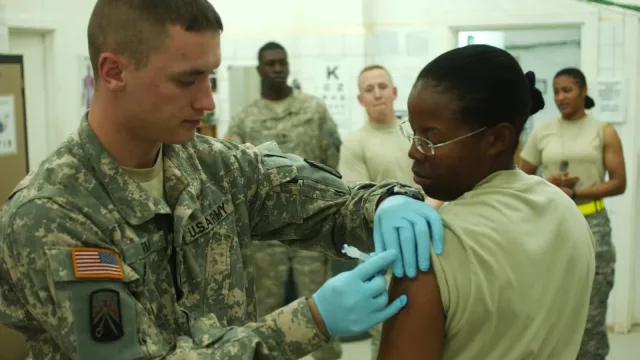
Proven medical interventions exist for four of the five most frequent culprits. Highly effective vaccines guard against HPV and hepatitis B, while direct-acting antiviral medications can cure hepatitis C, and standard antibiotic regimens can eliminate H. pylori to curb stomach cancer risk.
No approved vaccine exists for routine protection against Epstein-Barr virus, which infects more than 90 percent of adults worldwide, though researchers have advanced several candidate vaccines into clinical trials.
Global disparities and prevention gaps
The study found that the burden of infection-driven cancer falls unequally around the world. Developing regions account for about three-quarters of these cases, reflecting severe gaps in screening, diagnostics and immunization access.
Disparities persist in wealthy nations as well. In Australia, public school HPV vaccination programs introduced in 2007 pushed infection rates down 90 percent, positioning the nation to eliminate cervical cancer by 2035. However, Australian health officials recorded a dip in HPV immunization among 15-year-olds from 85.7 percent in 2020 to 79.5 percent in 2024, falling below international targets.
In the United States, infection-related cancers also vary sharply across demographic groups. Veronika Fedirko, an epidemiology professor at the University of Texas MD Anderson Cancer Center, noted to WMUR that American Cancer Society figures from 2019 showed about 3.4 percent of domestic cancers in adults aged 30 and older stemmed from seven evaluated infections.
Public health leaders say closing these gaps will require expanding global immunization drives, broadening antibiotic therapies and improving routine screenings to stop infections before cell damage turns fatal.