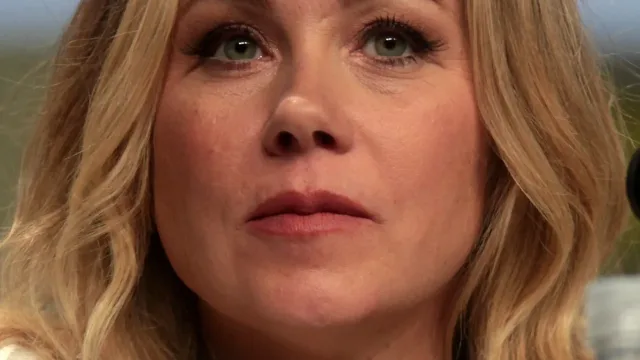
BOSTON — An artificial intelligence system can evaluate a cancer patient’s survival chances and estimate their biological age from a single photograph of their face, according to a study published Monday in the journal Lancet Digital Health.
Developed by researchers at Mass General Brigham in Massachusetts, the foundation model learned broad facial patterns from more than 40 million photographs. Scientists then adapted the technology into two specialized tools: FAHR-FaceAge, which determines biological age based on physical appearance, and FAHR-FaceSurvival, which calculates mortality risk directly from a patient’s portrait, The Guardian reported.
In evaluations against real medical records, the system showed a strong link between facial indicators and patient outcomes. In a validation cohort of 3,820 cancer patients, more than half of those categorized in the highest risk tier — 64 of 122 patients — died within 90 days after their image was captured, Scientific American reported. Furthermore, among U.S. patients undergoing radiotherapy, those judged to look five or more years older than their calendar age had a 21 percent greater risk of death across an average four-year monitoring window, according to The Guardian.
How Algorithms Read the Face
Physicians traditionally rely on visual impressions during clinical visits to gauge how fragile or resilient a patient is before recommending aggressive therapies such as chemotherapy, surgery or radiation. However, lead author Dr. Raymond Mak, an associate professor of radiation oncology at Harvard Medical School, noted that those bedside impressions remain inherently subjective.
“Our goal is to make face photograph-based health assessment more quantitative, consistent and scalable so it can support personalised treatment decisions rather than replace physician judgment,” Mak said, as reported by The Guardian.
To understand how the AI formed its judgments, the study team tracked the specific zones the program prioritized. For biological age, the model concentrated primarily on temples, forehead regions above the eye sockets, and the nasolabial creases running from the nostrils to the mouth corners. When predicting mortality directly, the software instead focused on the bridge of the nose and the tissue beneath the eyes, though researchers noted it remains unclear why those areas correlate with survival odds.
The system proved remarkably durable against everyday variations. Its calculations remained steady regardless of facial expressions, lighting conditions, head angles, or makeup, as well as across most cosmetic procedures, though rhinoplasty caused a minor shift, researchers told Scientific American. The model also mirrored known health hazards: individuals who engaged in heavy drinking or drug use appeared biologically older, and current cigarette smokers showed the most pronounced signs of accelerated facial aging, according to The Independent.
Ethical Questions and Future Steps
Despite the findings, researchers emphasized that the software is not yet cleared for hospital use. The initial cancer survival dataset came largely from a predominantly white patient base in the Boston area, prompting researchers to seek more diverse facial data before the system can be deployed broadly, Scientific American reported. Mass General Brigham has also filed a patent application for facial health algorithms.
Independent experts noted that using AI for such delicate assessments brings ethical hazards. Matthew Liao, director of the Center for Bioethics at New York University, told Scientific American that erroneous assessments could lead clinicians to withhold needed treatments. Liao also warned that commercial entities, such as insurers or employers, might attempt to exploit facial scoring to deny coverage or influence hiring decisions.
For now, the study authors are gathering broader public submissions to refine the algorithms across diverse demographics, with further clinical trials required before the tool can enter standard medical practice.