Congo’s worsening Ebola epidemic has expanded into an eighth province, public health authorities reported Sunday, underscoring persistent difficulties in containing the deadliest outbreak in the nation’s history.
The Health Ministry registered two cases, including one death, in the northern province of Nord-Ubangi, which borders the Central African Republic, ABC News reported. Both patients were men in their 20s living in the Wapinda health zone, an area adjacent to Bas-Uele province, where earlier infections had already been documented.
Since the epidemic was first declared in mid-May, the country has recorded more than 9,400 confirmed cases and over 4,500 fatalities, surpassing all 16 previous outbreaks in Congo. Data published by Outbreak News Today showed a cumulative tally of 9,415 confirmed cases and 4,536 deaths, reflecting a case fatality rate of 48.2 percent across 66 affected health zones.
Epidemic Expands Beyond Eastern Epicenter
The current emergency is driven by the rare Bundibugyo species of the virus, for which no approved treatment or vaccine currently exists. Health officials have warned that official case numbers capture only a fraction of the actual toll, as many infections go undetected in remote or conflict-ridden areas.
Ituri province in eastern Congo remains the center of the crisis, accounting for nearly three-quarters of all confirmed infections. However, the virus continues to move geographically. Beyond Congo’s borders, Kenya registered its seventh confirmed infection on Saturday, while neighboring Uganda previously dealt with spillover cases before declaring itself free of the disease. The Central African Republic has not confirmed any infections, according to ABC News.
“We see pockets of Ebola generally going down, but unfortunately geographically it’s spreading out,” Mohamed Yakub Janabi, the World Health Organization’s regional director for Africa, told The Associated Press in an interview in the eastern Congolese city of Beni.
Community Fear and Transport Restrictions
Public health leaders say one of the most formidable barriers to slowing transmission is widespread reluctance among sick residents to visit medical facilities. Many deaths continue to occur at home rather than inside designated Ebola treatment centers.
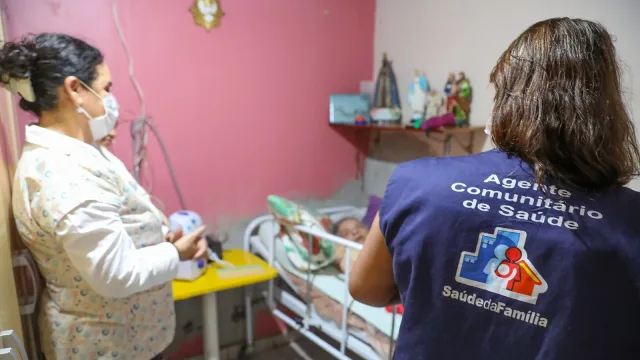
Serge Ngalebato, an epidemiologist coordinating field work in the Wamba health zone of Haut-Uele province, told the AP that medical teams initiated household visits because residents feared going to hospitals. Ngalebato noted that early resistance eventually eased into community reporting, but noted that high population mobility around local mining camps has continued to drive fatal transmissions.
To curb further transmission, officials in neighboring North Kivu province announced a one-week travel prohibition beginning Monday for travelers arriving from Ituri, according to the Congolese state news agency ACP. Regional authorities also enacted restrictions capping passenger limits to two people per motorcycle and four per passenger car, while temporarily halting large public gatherings, sports matches, nightclubs, and political demonstrations.
Health responders now face the dual challenge of enforcing regional travel limits while navigating difficult terrain in newly infected border regions like Nord-Ubangi, where poor roads, minimal communications networks, and armed violence complicate efforts to track down exposed contacts.