Infections were responsible for roughly 2.3 million new cancer diagnoses globally in 2024, accounting for approximately 12 percent of all cases, according to an international study published in The Lancet Oncology. Researchers found that the vast majority of these infection-related malignancies were driven by a small group of common pathogens, many of which can be intercepted through immunization, screening or existing medical therapies.
The global analysis, directed by scientists at the International Agency for Research on Cancer, an agency of the World Health Organization, modeled worldwide cancer statistics alongside established pathogen risk levels. The authors emphasized that the figures reflect broad population patterns rather than specific individual diagnoses, noting that most people carrying these organisms never develop a tumor.
Five Pathogens Drive the Majority of Cases
The study attributed most infection-related cancers to five primary infectious agents. The bacterium Helicobacter pylori topped the list, linked to roughly 760,000 cases, followed closely by human papillomavirus, or HPV, which accounted for approximately 750,000 cases. Together, the two pathogens accounted for more than 1.5 million diagnoses, representing about 8 percent of all global cancers.
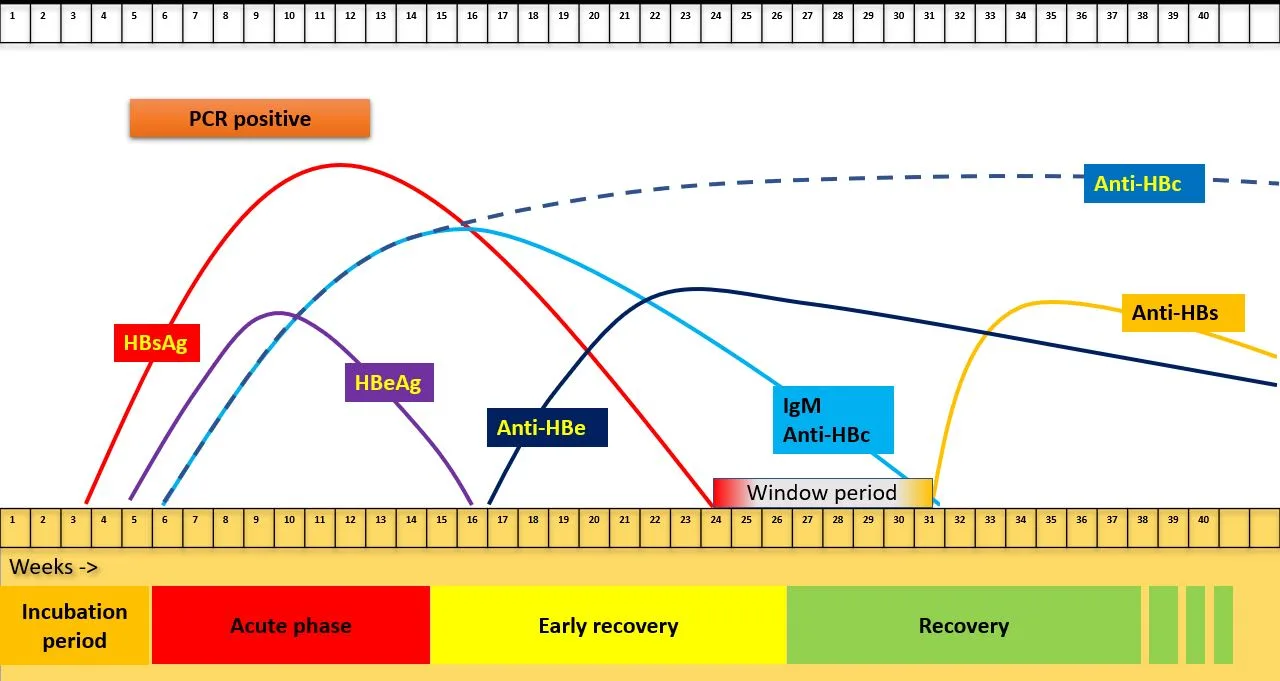
Hepatitis B was linked to roughly 360,000 cases, while Epstein-Barr virus accounted for about 260,000 and hepatitis C was tied to around 160,000 cases. These infections can trigger more than 20 distinct forms of cancer, most notably stomach, liver, blood and cervical malignancies.
“Infectious agents are a major preventable cause of cancer globally,” lead author Harriet Rumgay of the cancer surveillance branch at IARC and her colleagues wrote in the report, as cited by Medical Daily.
Geography plays a major role in the distribution of the disease burden. The analysis determined that roughly 75 percent of all infection-linked cancers emerged in low- and middle-income nations. Eastern Asia carried the greatest concentration, accounting for 42 percent of the worldwide total, driven largely by elevated rates of H. pylori and hepatitis B.
Biological Triggers and Preventive Tools
The mechanisms linking infections to cellular changes vary by pathogen, the researchers noted. Certain viruses integrate their genetic material into host cells or disable key cellular safety controls, such as the TP53 and RB proteins that regulate cell death and division. In contrast, bacteria like H. pylori and parasitic worms generally drive cancer through prolonged inflammation and cellular stress, which can lead to accidental mutations as tissues attempt to repair themselves.
Because many of these pathogens are well understood, health systems already possess tools to stop them. Vaccines against HPV and hepatitis B prevent the initial transmission of viruses that lead to cervical and liver cancers. Australia, for instance, reduced HPV infections by 90 percent among eligible groups after launching an immunization program in 2007, placing the nation on track to potentially eliminate cervical cancer by 2035, ZME Science reported.
For bacterial threats, the American College of Gastroenterology advises targeted breath, stool or biopsy tests for people with current or prior ulcers, those with a family history of gastric cancer, and immigrants from areas where the bacterium is widespread. When detected, H. pylori can typically be cleared with a multi-drug regimen, though medical guidelines emphasize follow-up testing to ensure eradication.
U.S. Guidance and Global Inequities
In the United States, HPV causes around 36,000 cancers annually, according to the Centers for Disease Control and Prevention. Federal guidelines restored following a court stay recommend routine childhood immunization for HPV and hepatitis B, while most private insurers and public programs cover the shots.
Public health experts continue to monitor international disparities in access to screening, vaccines and antiviral drugs, which leave developing regions disproportionately exposed. Global organizations, including the WHO, are pushing to reach targets such as vaccinating 90 percent of 15-year-old girls against HPV by 2030, though health officials caution that meeting those benchmarks will require sustained funding and distribution efforts.