TORONTO — The U.S. Department of Defense delivered a sharp critique of Canada on Monday, accusing the long-standing ally of neglecting its military obligations and leaving American taxpayers to bear the financial burden of continental defense.
In a detailed fact sheet released online, the Pentagon targeted Ottawa’s low military readiness, its defense budget timelines, and its reconsidered plan to buy American-made F-35 fighter jets. The statement warned that years of underinvestment have weakened the Canadian Armed Forces and strained joint security arrangements.
Pentagon Cites Low Readiness and F-35 Uncertainty
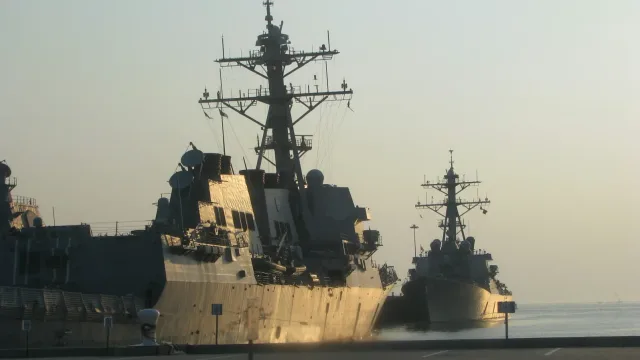
According to the Pentagon document, Canadian military readiness has fallen significantly across all branches. The report stated that just 41.9 percent of Canada’s air force fleet was operational during the 2025-26 fiscal year. The navy recorded a 53.9 percent readiness rate, while army operational readiness stood at 48 percent.
Prime Minister Mark Carney previously acknowledged that only one of Canada’s four submarines is currently seaworthy. Ottawa has since identified Germany’s Thyssenkrupp Marine Systems as the preferred vendor for up to 12 new submarines.
The U.S. defense document also criticized Ottawa’s decision to review its planned procurement of 88 American F-35 joint strike fighters. Carney placed the purchase under review after President Donald Trump imposed tariffs and raised threats against Canadian sovereignty. Canadian officials have considered alternative options, including Swedish-made Gripen fighters, to secure domestic manufacturing benefits.
“We should no longer send three-quarters of our defense capital spending to America,” Carney said in June.
The Pentagon argued that operating a mixed fleet would worsen personnel shortages while creating operational friction for the North American Aerospace Defense Command, known as NORAD.
Strained Relations and New Military Restrictions
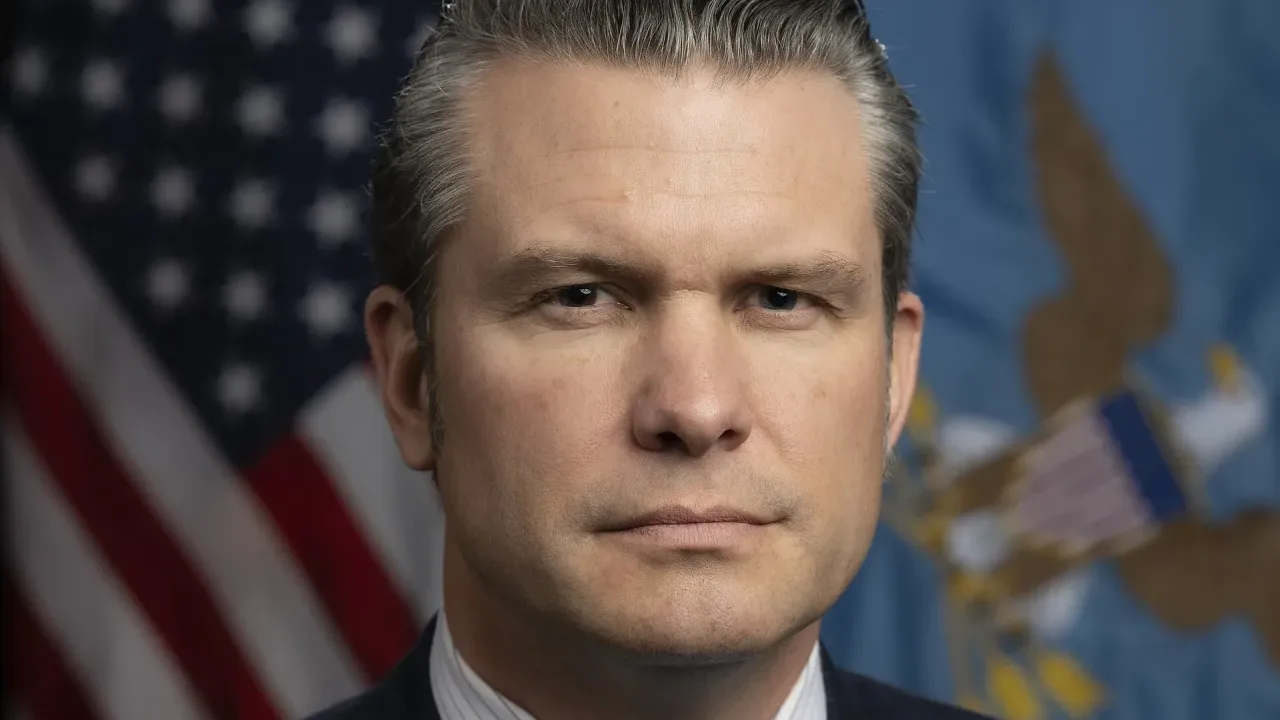
The public rebuke comes on the heels of a classified memo issued by U.S. Defense Secretary Pete Hegseth. Speaking at the Halifax International Security Forum over the weekend, Republican Sen. Mike Rounds of South Dakota said the directive instructs U.S. military personnel to seek approval before participating in think-tank panels or informal social activities with Canadian counterparts.
Rounds emphasized that the directive does not alter routine military operations, NORAD functions, or intelligence sharing through the Five Eyes alliance. Chief Pentagon spokesman Sean Parnell similarly confirmed that core defense and intelligence cooperation remains unaffected.
However, bilateral friction has steadily escalated. In May, Pentagon policy chief Elbridge Colby announced a pause in meetings of the Permanent Joint Board on Defense, an advisory council created in 1940, pointing to a lack of progress by Canada on its security promises.
Spending Commitments Under Scrutiny
While NATO members recently pledged to increase defense-related expenditures toward 5 percent of gross domestic product by 2035, the Pentagon alleged that Ottawa is postponing major spending hikes until after Canada’s 2029 federal election. Ottawa’s latest budget projects combined defense and security spending of 4.1 percent of GDP by the 2027-28 fiscal year, but core military funding accounts for only 2.6 percent.
Canadian defense officials did not immediately offer a detailed response to the latest Pentagon statement. Speaking to reporters on Saturday, Canadian Defense Minister David McGuinty said he had not seen Hegseth’s memo and noted that day-to-day military cooperation had not shown any signs of disruption.