North Korea has halted transfers of artillery shells and ballistic missiles to Russia after a diplomatic dispute erupted over Moscow’s policy toward South Korea, Ukraine’s military intelligence agency said Thursday.
According to the Main Directorate of Intelligence of Ukraine, known as HUR, North Korean leader Kim Jong Un personally ordered the freeze on shipments of KN-23 short-range ballistic missiles and artillery shells. The reported suspension also bans Russian military transport aircraft from entering North Korean airspace and stalls a request from Moscow to expand Pyongyang’s troop deployment in Russia from 8,500 to 50,000 soldiers.
The diplomatic rift stems from remarks made in October by Russian Deputy Foreign Minister Andrey Rudenko, who stated that Moscow intended to assist in de-escalating tensions between North and South Korea in the future. Rudenko also noted that Seoul had expressed interest in normalizing diplomatic relations and resuming direct commercial flights with Moscow after the end of the war in Ukraine.
Diplomatic Disputes and Troop Deployments
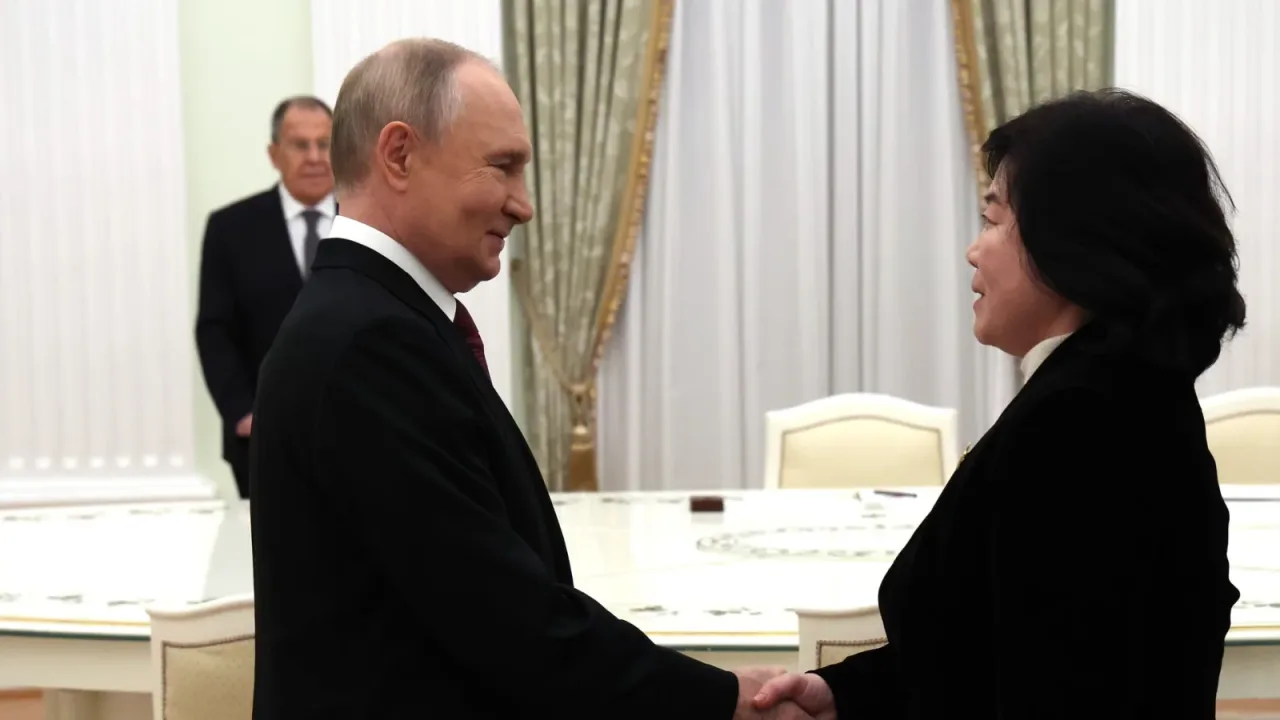
The statements from Moscow sparked immediate dissatisfaction in Pyongyang. Ukrainian intelligence stated that North Korean Foreign Minister Choe Son Hui addressed the matter in late October, declaring that Russia’s position conflicted with the nature of the strategic alliance between the two nations and demanding clarification on Moscow’s official policy regarding South Korea.
Despite the reported pause in new supplies and troop expansions, existing North Korean military units remain deployed alongside Russian forces. According to HUR, elements of North Korea’s 11th Special Operations Forces Corps continue to operate in Russia’s Kursk region, with a North Korean missile detachment stationed in the Voronezh region since the middle of summer.
Western and South Korean estimates indicate that North Korea has previously sent approximately 14,000 troops to assist Russian operations in Kursk, with more than 6,000 believed to have been killed in combat. South Korean military intelligence previously estimated in March that Pyongyang had delivered roughly 33,000 containers of military equipment to Russia, including self-propelled artillery systems, rocket launchers, anti-tank hardware, and ballistic missiles.
Unverified Claims and Strategic Impact
Ukrainian intelligence did not reveal how it obtained the information regarding the halt in transfers, and independent news organizations noted that the report could not be independently verified. A senior South Korean official emphasized that Seoul’s stance against military cooperation between Pyongyang and Moscow remains unchanged, calling for an immediate end to actions violating United Nations Security Council resolutions.
Military analysts cited by Ukrainian media noted that North Korean munitions have accounted for a significant portion of the artillery shells used by Russian forces since the two countries deepened their defense ties. Russia and North Korea formalized their military cooperation in 2024 through a comprehensive strategic partnership treaty that features a mutual defense agreement.
Ukrainian officials noted that ongoing political disagreements, logistical challenges in military coordination, and high casualty rates among North Korean troops have increasingly complicated military cooperation between the two allies as the war continues.