MANAMA, Bahrain — Iran’s Islamic Revolutionary Guard Corps claimed Friday that its forces destroyed a U.S. early-warning radar facility in Bahrain, marking its first reported attack against American military infrastructure in a Gulf nation since September.
U.S. Central Command promptly disputed the Iranian statement, saying American forces intercepted two attack drones aimed toward Bahrain and suffered no casualties or facility damage, according to Al Jazeera and CBS News reports.
Conflicting Claims Over Strike in Bahrain
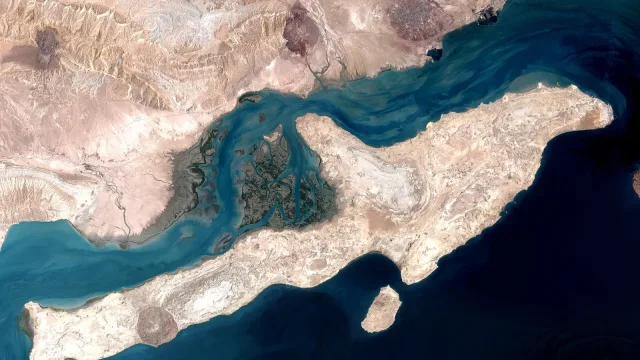
The Islamic Revolutionary Guard Corps, or IRGC, stated that the retaliatory action followed a U.S. strike on a communications installation located in Sirik, an Iranian port town overlooking the Strait of Hormuz, The Guardian reported. In a statement transmitted by state media, the IRGC referred to its operation as a severe caution against aerial actions and oil smuggling in the waterway.
Iranian state news agency IRNA reported that the port of Sirik in Hormozgan province had been hit by enemy fire a day earlier. The IRGC declared that its aerospace branch remains prepared to act without restrictions should additional aggressive actions occur, according to reporting from Al Jazeera.
CENTCOM rejected assertions that any radar system had been hit, confirming instead that forces shot down two one-way attack drones headed in that direction, Al Jazeera reported. Independent verification of either military claim was not immediately available.
Escalating Tensions in the Strait of Hormuz
The reported engagement comes as maritime security in the Strait of Hormuz remains severely strained. The IRGC also reported Friday that a liquefied petroleum gas tanker experienced an onboard explosion after striking a sea mine in the eastern sector of the strait, according to ABC News. Iranian officials said the vessel had disregarded warnings while transiting the waterway. That claim could not be independently confirmed, and the United Kingdom Maritime Trade Operations had not issued an immediate report on the incident.
Iran has repeatedly advised merchant vessels against entering the strategic transit corridor without obtaining clearance from Tehran, according to ABC News. Meanwhile, CENTCOM affirmed that U.S. forces continue to strictly enforce a naval blockade against Iranian ports.
Stalled Diplomatic Discussions and Regional Strain
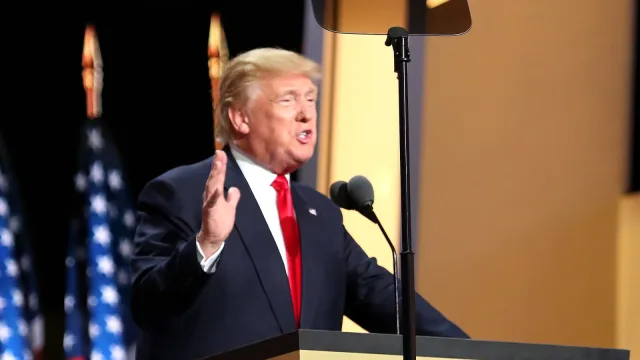
Speaking in media interviews over the preceding day, President Donald Trump stated he would authorize attacks on Iran only if required, noting that regional Gulf partners including Saudi Arabia had urged caution regarding major military strikes, according to The Guardian. Trump also noted he directed Vice President JD Vance to refocus his efforts on domestic fraud and corruption matters rather than negotiating a potential agreement with Iranian representatives.
Iranian officials had previously declined a request for a direct meeting with Vance to discuss peace conditions, The Guardian reported. In Tehran, Iran’s Assembly of Experts called Thursday for a formal review of the nation’s defense doctrine and its standing within the Nuclear Non-Proliferation Treaty, describing such steps as national necessities, according to report details.
At the United Nations, nuclear monitoring inspectors from the International Atomic Energy Agency expressed heightened concern regarding a lack of access to underground enrichment facilities in Isfahan, CBS News reported. The U.N. agency noted it has been unable to confirm the precise location or nuclear inventory of the Isfahan site after Iranian authorities suspended access following past military strikes on its territory.