The European Union on Monday enacted punitive measures against nearly 1,600 Russian citizens and businesses tied to Moscow’s defense industry, marking the bloc’s largest single expansion of sanctions since Russia launched its full-scale invasion of Ukraine.
Meeting in Luxembourg, EU foreign ministers approved asset freezes and travel bans that heavily zero in on manufacturing networks responsible for arms used against Ukraine, according to European officials and reporting by ABC News and Euronews. An additional 77 individuals accused of orchestrating or participating in disputed elections across Russian-occupied Ukrainian territory were also added to the blacklist.
Targeting the missile supply chain
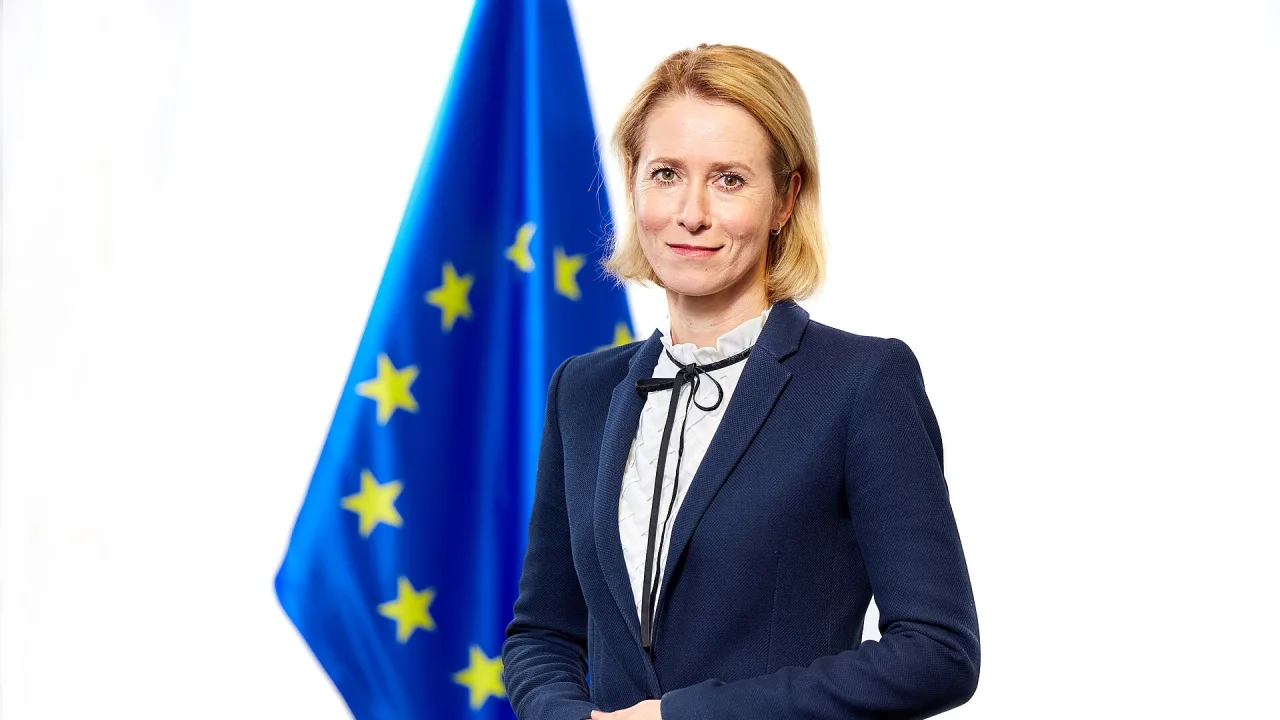
EU foreign policy chief Kaja Kallas said that more than half of the new listings focus directly on suppliers feeding the ballistic missile pipeline, Yahoo and DW reported. She noted on social media that the penalties aim to make weapon production significantly harder, slower and more expensive for the Kremlin.
The targeted companies are drawn from a register created by the Russian government that marks them as part of the domestic military-industrial complex eligible for state subsidies, ABC News reported. Rather than focusing solely on elite tycoons, the measures strike at mid-tier suppliers providing electronic components, navigational tools, radar systems, satellite gear, communications hardware, ammunition and explosives.
German Foreign Minister Johann Wadephul characterized the decision as an unprecedented blow against Russian President Vladimir Putin’s war economy, DW reported. Wadephul emphasized that European nations are working to complicate Russian efforts to wear down Ukrainian civilians through systematic air bombardments.
Diplomatic friction and Western resolve
The sanctions package follows weeks of technical negotiations in Brussels, Euronews reported, noting that member states sought to demonstrate solidarity after the controversial removal of two prominent Russian billionaires, Alisher Usmanov and Mikhail Fridman, from EU sanctions rosters. In exchange for that concession, which was tied to a prisoner release involving France and Azerbaijan, the bloc secured an agreement extending the wider blacklist for three years, pushing total EU targets to roughly 4,650 entities and individuals.
Discussions over the scope of economic penalties also highlighted differing strategies across Western capitals. Speaking at the Warsaw Security Forum, Polish Prime Minister Donald Tusk argued that European nations must pursue even tougher containment measures as Ukraine prepares for another harsh winter, DW reported. Tusk indicated he plans to travel to Brussels to push for additional restrictions.
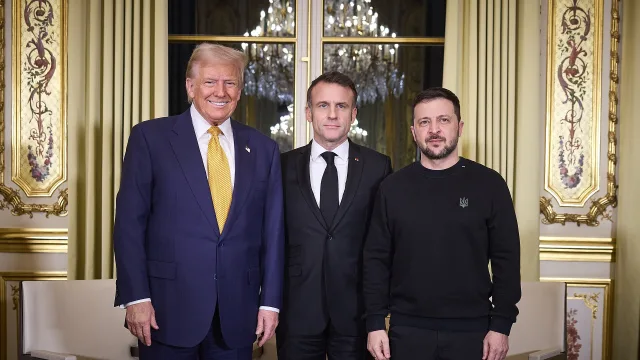
Meanwhile, European diplomats voiced concern over conflicting diplomatic signals from Washington. Over the weekend, U.S. President Donald Trump claimed an energy ceasefire had taken effect between Moscow and Kyiv, a characterization Ukrainian President Volodymyr Zelenskyy rejected while citing ongoing Russian attacks on power infrastructure, according to DW. Kallas also criticized a separate diesel arrangement involving Trump and Putin, Yahoo reported, maintaining that aggressive enforcement against Russia’s shadow tanker fleet remains vital to starving Moscow of war funds.
EU officials said the finalized names of all newly designated firms and individuals will be published in the bloc’s official journal. European diplomats have already started drafting further listings in response to recent hybrid threats, including a drone incident at Germany’s Leipzig airport, Euronews reported.