United Nations ocean advocate Lewis Pugh has completed a three-day swim across parts of the Strait of Hormuz, swimming nearly 10 miles through an active conflict area to highlight the environmental damage of war. The 56-year-old British endurance swimmer is believed to be the first person to undertake a long-distance swim in the strategic shipping lane since fighting broke out earlier this year.
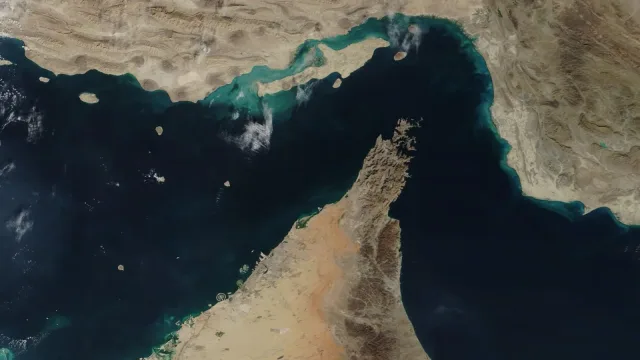
Pugh swam roughly 9.3 miles in stages, accumulating six and a half hours in the sea. He started from Oman’s Musandam Peninsula on the southern edge of the strait and concluded by navigating around the Cape of Hormuz. The narrow passage, measuring 24 miles across at its tightest point, usually carries one-fifth of the world’s traded oil, but hostilities since Feb. 28 have disrupted traffic.
Danger in the Water
The swim exposed the athlete directly to ongoing military strikes. Just 30 minutes after entering the water on Monday, Pugh heard two massive detonations that shook the ocean as a missile or mine hit a tanker approximately 2.5 miles away. Speaking after returning to London, Pugh recounted seeing military jets speed overhead, prompting his team to pull him out of the water temporarily.
On his second day, Pugh passed near the liquefied petroleum gas carrier Tara Gas as it burned out of control. He recalled seeing giant fireballs shooting into the sky and flames spreading across the surface of the sea. Speaking to the BBC, Pugh noted that such attacks endanger seafarers while threatening to inflict devastating harm on surrounding ocean habitats.
Threats to Marine Life
Beyond the immediate risk to shipping, environmental groups report that oil slicks in the Persian Gulf now cover vast stretches of water. The region contains delicate ecosystems including mangrove forests, coral reefs, and seagrass beds, which sustain populations of sea turtles, dolphins, dugongs, and ospreys.
Satellite data compiled by ecological organizations indicates that more than 100 tanker strikes have produced hundreds of separate oil slicks since February. Experts warn that petroleum residue can embed in coastal sediment for decades, poisoning marine food webs and harming fisheries that local communities depend on.
“War causes immense human suffering,” Pugh told the BBC. “But there is another casualty that receives far too little attention: nature itself. And the damage can last long after the fighting has stopped.”
Demands for Peace
Pugh, whose previous conservation swims include trips across Antarctica, the North Pole, and the Hudson River, urged global leaders to halt the destruction. He outlined three primary objectives:
- An immediate ceasefire to end military conflict in the region.
- The reopening of the Strait of Hormuz for peaceful transit.
- A coordinated cleanup effort to remove toxic oil pollution from the water.
With military operations continuing throughout the waterway, environmental researchers say comprehensive assessments of the ecological damage remain impossible until field teams can safely return to survey the region’s coasts.