KYIV, Ukraine — Ukrainian forces remain unable to use their satellite-guided interceptor drones against incoming Russian aircraft due to continuing speed restrictions on military communications terminals, Ukrainian President Volodymyr Zelenskyy said Saturday.
The technical constraint cuts data transmission when a terminal moves faster than roughly 100 mph, or 160 to 161 kilometers per hour. That ceiling severely impairs Ukraine’s ability to intercept jet-powered Russian Shahed drones, which travel at speeds exceeding 250 mph, according to Ukrainian officials.
Speaking to journalists during an online discussion at the European Union summit, Zelenskyy said Kyiv is actively consulting with American authorities, who characterized the cap as a technical problem. He noted, however, that terminals operate at higher speeds within EU borders.
“In the EU it works at 180-plus and works constantly. Here it shuts off in the second minute after 161 km/h and stops working. We lose both drones and connectivity,” Zelenskyy said, as reported by CBS News.
The disruption follows a massive Russian assault Saturday targeting more than 15 critical Ukrainian power generation and transmission sites across the country, Zelenskyy said.
Dispute Over Origin of Restrictions
The origin of the restriction remains contested between officials in Washington and Elon Musk’s space technology company. Starshield, an upgraded military derivative of SpaceX’s Starlink network, serves as the critical communications foundation for Ukrainian drone reconnaissance and strikes.
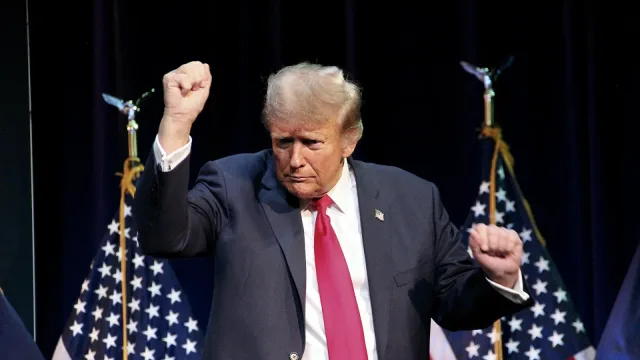
President Donald Trump denied having any role in curbing the service when questioned by reporters on Friday while departing the White House for a rally in Georgia. Trump said he doubted Musk was responsible either, adding that he believed the service operated as it always had.
Musk, however, wrote on social media platform X earlier in the week that Starshield equipment is owned and controlled by the U.S. government, asserting that usage limits are determined by the American military and ultimately the U.S. president. SpaceX and Musk did not respond to requests for comment on Friday, CNBC reported.
Conflicting accounts have emerged regarding the decision. Reuters reported Thursday that two U.S. officials said the direction to limit Starlink access came from the White House. Meanwhile, The Telegraph reported Friday that Musk approached Trump with a proposal to slow down the network in Ukraine, and that both had a role in the decision, according to CNBC.
Front-Line Impact and Diplomatic Strain
Ukrainian defense technology adviser Serhii Beskrestnov told The Associated Press that the cap was imposed without prior warning, resulting in failed operational missions. Beskrestnov noted that Ukrainian forces had recently deployed effective interceptor solutions using drones and helicopters to down Russian Shaheds before the sudden limitation took effect.
Beskrestnov said Kyiv is exploring whether it can transition to an aviation-specific Starshield tier without speed caps, although the alternate package carries significantly higher costs. Ukraine is also examining potential long-term alternatives, including satellite systems being developed by Amazon and Europe’s Eutelsat OneWeb, especially as Russian forces advance their own electronic jamming capabilities and deploy the emerging Rassvet satellite constellation.
The technological friction coincides with worsening diplomatic relations between Washington and Kyiv. Tensions escalated after the Trump administration waived restrictions on purchases of Russian diesel last week in an effort to lower global fuel prices. Trump has publicly criticized Zelenskyy, telling Newsmax late Thursday that the Ukrainian president was harder to negotiate with than Russian President Vladimir Putin.
Ukrainian officials confirmed they are continuing active discussions with the Pentagon, SpaceX and the U.S. government to remove the speed cap, though no agreement or resolution has yet been reached.