A federal judge has ordered the Trump administration to temporarily halt the airing of taxpayer-funded television commercials promoting President Donald Trump ahead of next month’s midterm elections.
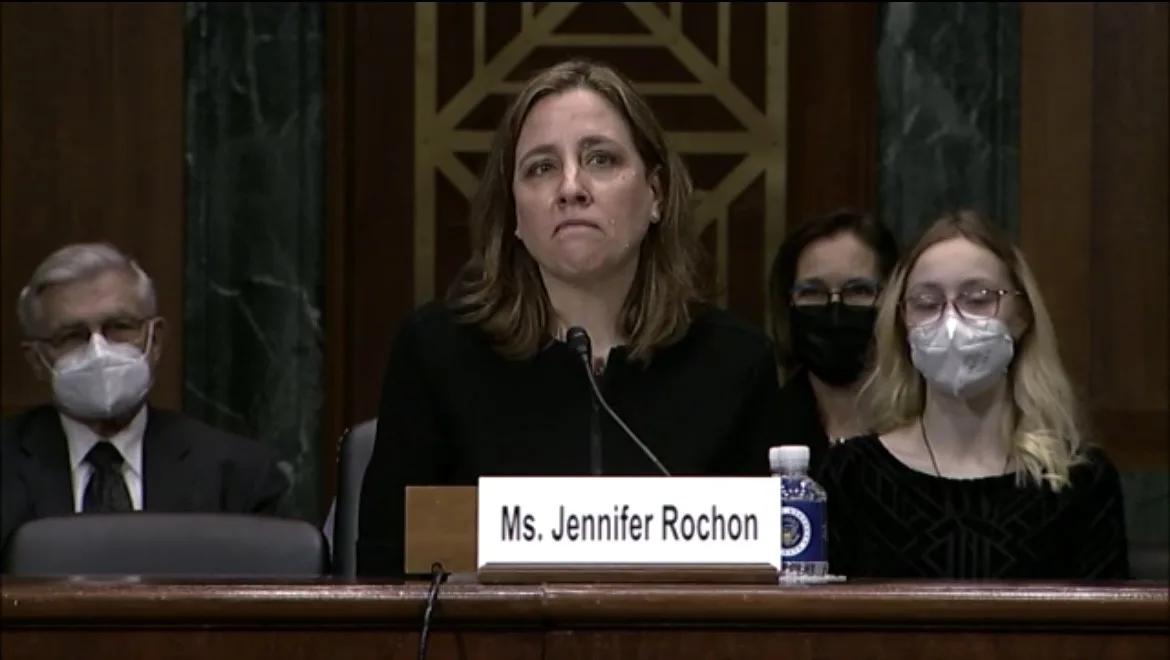
U.S. District Judge Jennifer L. Rochon of the Southern District of New York issued an emergency temporary restraining order effective at 6:45 p.m. on Sunday, Oct. 11. The order instructs federal agencies to cancel any remaining broadcast slots and bars officials from entering into, renewing or expanding contracts tied to the disputed commercials for at least 14 days.
Lawsuit Alleges Misuse of Public Funds
The legal challenge was filed by the government watchdog group Common Cause, Alabama legislative candidate Robert Hunter, Service Employees International Union Local 32BJ, and the union’s political action committee. In their filing, the plaintiffs argued that the Department of Homeland Security, the Office of Management and Budget, and the Executive Office of the President violated federal restrictions barring public money from being used for publicity and propaganda.
In her decision, Rochon ruled that the plaintiffs demonstrated a likelihood of success on the merits, established that irreparable harm would occur without an injunction, and showed that halting the spots serves the public interest, according to court documents cited by RadarOnline.com.
The administration must submit a status report confirming compliance within 24 hours. The ruling paused a Sept. 20 contract between Customs and Border Protection and the LMD Agency covering five disputed commercials, RadarOnline.com reported.
Disputed Cost and Broadcast Run
Estimates of the campaign’s cost differ. Court filings and initial reporting showed the Department of Homeland Security had approved a $20 million advertising buy. Media tracking firm AdImpact initially tracked more than $12 million in spending, The Guardian reported, while a later NPR analysis of AdImpact data found nearly $22 million had been spent by the federal government since late September.
The advertisements aired across major broadcast and cable channels, including during high-profile sporting events and late-night programming. Commercials showcased recent administration operations in Venezuela and Iran, featured praise of Trump, and replayed footage from his past campaign, Fortune reported. Each ad concluded with a notice reading, “Paid for by the U.S. Government.”
The campaign prompted criticism from Democrats as well as congressional Republicans. “It shouldn’t be paid for with taxpayer dollars,” Senate Majority Leader John Thune, R-S.D., told reporters, according to Fortune. The Democratic National Committee also filed a separate lawsuit in Washington on Oct. 7 seeking a court order to stop the commercials.
Administration Response
In response to earlier public criticism, Trump posted on Truth Social on Oct. 5 that the commercials were a positive message for the nation and standard practice, but said he would begin paying for them through his MAGA Inc. political action committee. Despite that announcement, NPR reported that nearly $10 million in taxpayer funds went toward the ad blitz after his statement.
Federal attorneys had argued to the court late Saturday that an injunction was unnecessary because government broadcasts were scheduled to conclude Sunday, Fortune reported. In an earlier declaration, senior DHS official Holly Mehringer asserted that the funding came from congressional appropriations designated for commemorating border security efforts.
Commercials continued to broadcast for several hours Sunday night into early Monday morning. A White House official told NPR on Monday that the government did not receive notice from the court quickly enough to cancel late-night placements, confirming that the final government-paid spots aired Sunday and outside organizations would finance future broadcasts. The White House has previously stated that the federal government will not seek reimbursement for the spent taxpayer funds.
The court’s temporary restraining order leaves final questions over the legality of the expenditures unresolved as the broader litigation moves forward.