Tesla demonstrated its long-delayed second-generation Roadster on Thursday night at a SpaceX test facility in McGregor, Texas, staging an aerial stunt show nearly a decade after first taking customer deposits for the vehicle.
Chief Executive Officer Elon Musk appeared alongside design director Franz von Holzhausen and Vice President of Vehicle Engineering Lars Moravy outside Waco to present the white electric supercar. During the livestreamed demonstration, the vehicle traveled up an inverted ramp, rotated midair using cold-gas thrusters, and eased down onto the pavement, CNBC reported. The car also utilized its propulsion system to lift itself over several other Tesla models parked in a row, including a Cybertruck, Cybercab, Tesla Semi, Model Y and Model 3.
SpaceX thrusters and performance claims
Tesla officials claimed the redesigned sports car accelerated from zero to 60 miles per hour in 0.81 seconds during the event, according to The Verge. Musk told the crowd that the car relies on a collaboration between Tesla and SpaceX, featuring attitude-control thrusters along with primary rear thrusters to maneuver.
Moravy told attendees that the vehicle incorporates 10 thrusters connected to two onboard pressure vessels holding a combined 600 liters of compressed air, TechCrunch reported. The setup utilizes carbon-fiber overwrapped pressure vessels to store roughly 250 kilograms of air, which can be recharged by the vehicle rather than requiring chemical propellants, according to The Verge. Moravy also highlighted steer-by-wire controls and an underbody suction system designed to create extreme downforce on the track.
While The Verge observed that executives did not detail pricing or trim packages from the stage during the brief presentation, TechCrunch reported that Tesla’s website subsequently outlined three tiers: Performance, Thrust and an invite-only Rocket package. According to site details cited by TechCrunch, all three configurations are projected to reach speeds topping 230 mph with 300 miles of driving range. Reservations reopened with required deposits starting at $50,000 for the base trim and $250,000 for the Thrust model.
Years of delays and customer waitlists
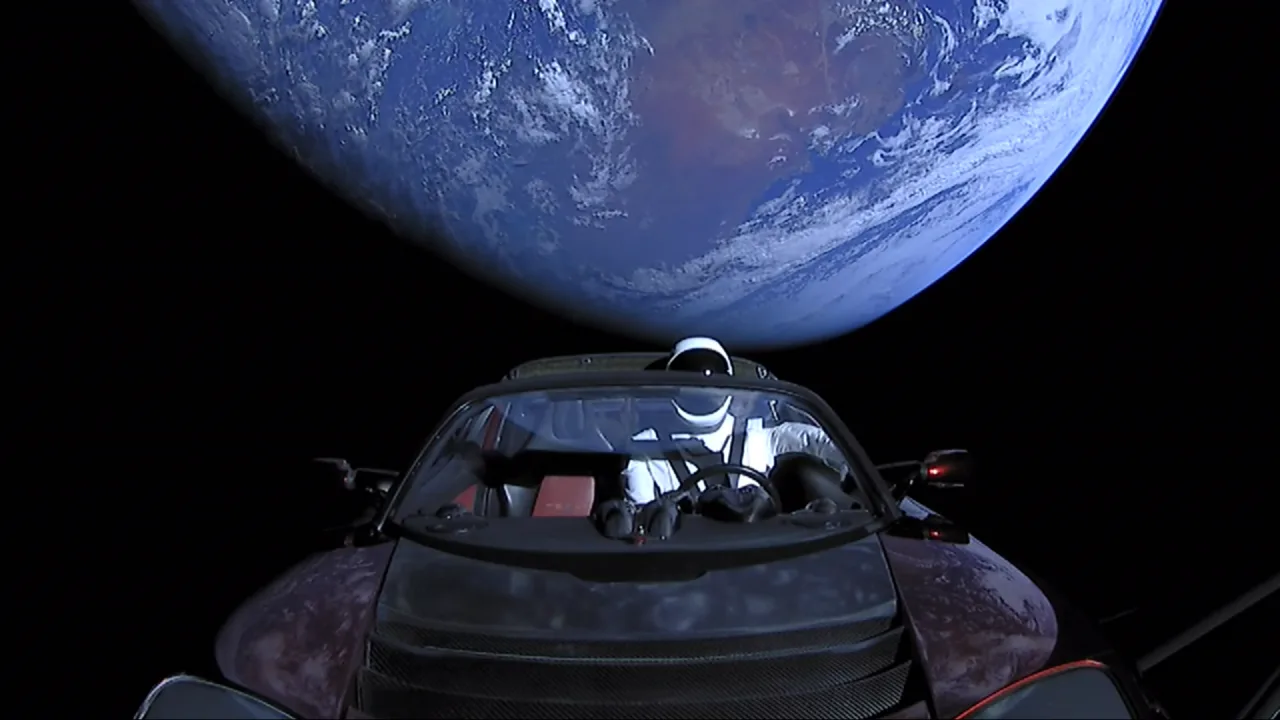
The showcase came after years of repeated postponements. Tesla originally unveiled a prototype of the second-generation Roadster in November 2017, initially promising customer deliveries would begin by 2020. Over the years, Tesla shifted manufacturing attention to mass-market models, the Cybertruck and autonomous vehicle projects, pushing the sports car’s debut back repeatedly.
The extended wait tested customer patience. OpenAI co-founder Sam Altman previously publicized that he canceled his reservation and received a refund after waiting seven and a half years, CNBC reported. Other reservation holders maintained their spots, including Other World Computing founder Lawrence O’Connor, who told CNBC he kept a $250,000 deposit on a Founder’s Edition placed in 2017.
Musk stated that Tesla aims to begin producing the Roadster in 2028. However, he has also cautioned that the niche model is unlikely to alter the automaker’s financial results substantially. Morningstar analyst Seth Goldstein estimated that Tesla would likely deliver approximately 2,000 Roadsters annually once assembly begins, serving as a halo vehicle to exhibit high-end engineering rather than drive mass volume, according to the New York Post.
What comes next
Whether Tesla can meet its 2028 production target remains unproven, particularly given the specialized technology showcased at the McGregor facility. The automaker will also need to satisfy federal safety and transport regulators, including the Federal Aviation Administration and the National Highway Traffic Safety Administration, before any vehicle equipped with thrusters and flight capabilities can legally operate on public U.S. roadways.