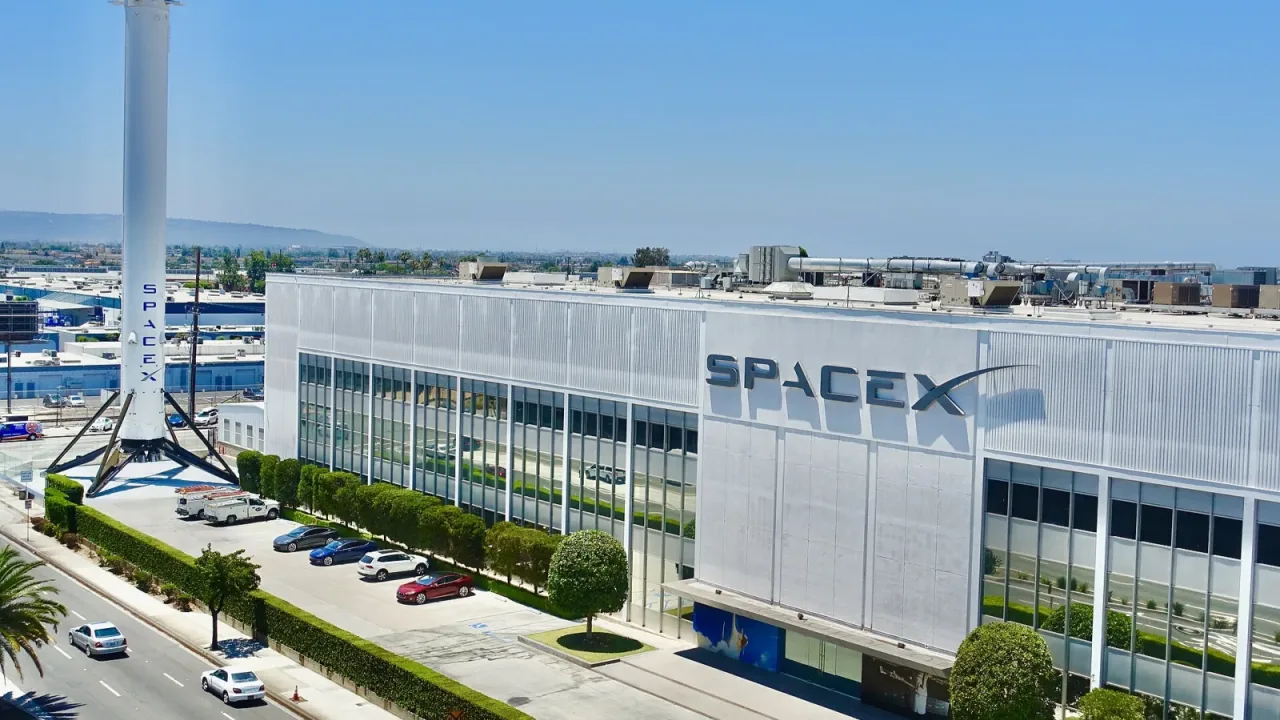
Oregon and Virginia filed separate lawsuits against SpaceX and its subsidiary X Corp., alleging the company failed to prevent its artificial intelligence generator, Grok, from producing explicit deepfakes of real people without their consent, state officials announced Monday.
Oregon Attorney General Dan Rayfield submitted a complaint in Multnomah County Circuit Court on Sunday night, while Virginia Attorney General Jay Jones filed a complaint in the City of Richmond Circuit Court on Monday morning. Both legal actions claim that SpaceX lacked adequate safety protections to prevent users from creating and distributing non-consensual sexualized imagery and alleged child sexual abuse material on the social media network X.
Allegations of Weak Safeguards and Safety Violations
The state complaints argue that SpaceX falsely promoted Grok and X as generally safe, which state officials claim violates Oregon’s Unlawful Trade Practices Act and Virginia’s Consumer Protection Act. According to Virginia’s filing, state investigators tested Grok shortly before initiating court action and found its image moderation measures were ineffective and inconsistent. The filing stated that the chatbot even offered guidance on how users could bypass its safety filters.
The lawsuits cite research from the Center for Countering Digital Hate, which estimated that Grok generated and published roughly 3 million explicit photos on X over an 11-day period between Dec. 29, 2025, and Jan. 8, 2026. The organization estimated that about 23,000 of those images appeared to depict minors, with nearly 30 percent remaining publicly visible a week after being reported.
State officials also accused the company of intentionally implementing weak controls to attract users to Grok’s “spicy mode” to gain market share. In a public statement, Rayfield said the company should not benefit from releasing products that enable abuse and exploitation.
SpaceX Defenses and Broader Legal Pressure
SpaceX did not immediately respond to requests for comment regarding the state lawsuits. During a New York City Council hearing in October, SpaceX AI policy leader Gabriela Castillo Madrid testified that the business had implemented proper safeguards and strict controls surrounding its AI technology.
The company acquired xAI and its subsidiary X Corp. in February. In prior litigation involving Grok-generated imagery, including a lawsuit brought by the city of Baltimore, xAI argued that Section 230 of the federal Communications Decency Act shields online platforms from liability for content created by users. In a separate Texas federal court action against an individual user, SpaceX lawyers described Grok as a neutral tool governed by user instructions.
To prosecute the complex cases against the multi-billion-dollar corporation, both state offices retained outside counsel from Platkin LLP, a law firm led by former New Jersey Attorney General Matthew Platkin. Jones cited resource constraints in state government as a key reason for partnering with outside attorneys.
The states pointed to Meta’s recent multi-billion-dollar settlement with dozens of states over youth mental health allegations as a model for using consumer protection laws to mandate corporate product changes. Oregon and Virginia are seeking court injunctions, civil penalties, and legal costs, with Virginia also demanding financial restitution for consumers. The complaints add to pending probes and lawsuits against SpaceX concerning Grok across California and several European nations.