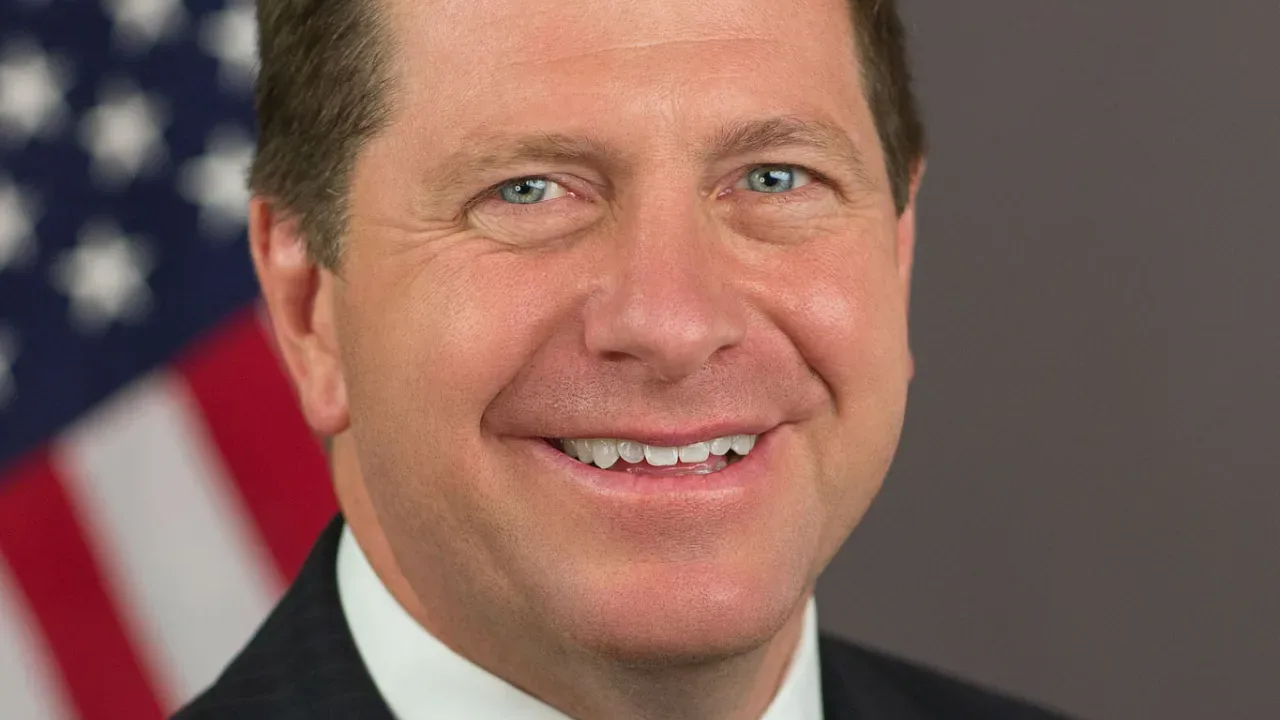
Director of National Intelligence Jay Clayton said Tuesday that recent widespread tech outages across government and private sector systems are not the result of a cyberattack or foreign nation-state activity. Speaking in television interviews, Clayton explained that the disruptions have been caused by organizations taking systems offline to install security patches and upgrade infrastructure as software vulnerabilities are identified.
Clayton told CNBC and Fox Business that intelligence officials have closely examined the technical failures affecting critical infrastructure and government agencies.
“This is not a cyberattack, and this is not a coordinated effort by a nation-state,”Clayton said on CNBC, adding that whenever such disruptions happen, assessing potential foreign interference is the first priority.
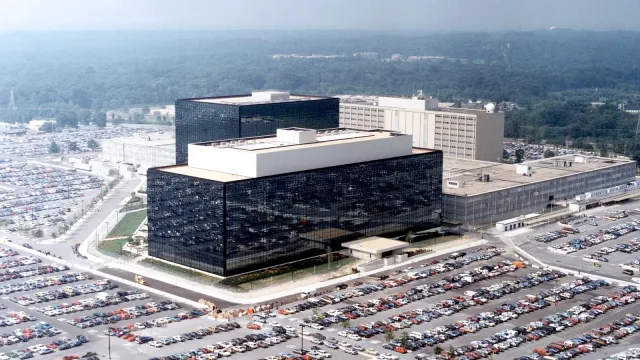
Specifically addressing a Tuesday incident where an internal communications network at the National Security Agency went offline, Clayton attributed the disruption to system updates. He noted that patching following the discovery of a PHP vulnerability caused certain networks to fail to restart or communicate as expected. The NSA confirmed in a statement that the network issues occurred during scheduled routine maintenance, emphasizing that mission-critical capabilities remained operational and national defense efforts were unaffected.
Role of Artificial Intelligence and Vulnerability Scans
Clayton, who also leads the White House Super Intelligence Force on artificial intelligence, noted that modern AI tools can scan software systems far faster than before. As a result, the ability to find security flaws has accelerated, creating an imperative for government bodies and private companies to apply security patches immediately. Taking complex systems down and bringing them back online often creates unexpected handoff failures between connected digital infrastructure, he told Fox Business.
Sen. Mark Warner, D-Va., vice chairman of the Senate Select Committee on Intelligence, echoed Clayton’s conclusions in a statement Tuesday. Warner stated that AI capabilities are allowing vulnerabilities to be uncovered across vast networks at unprecedented speed. This dynamic forces agencies and businesses to apply patches simultaneously, putting immense pressure on legacy systems that were not designed for such a rapid pace of change, according to Warner.
Administration Officials Assuage Public Security Concerns
Secretary of State Marco Rubio also moved to calm public concern on Tuesday, stating that recent high-profile service failures were completely unrelated to one another and not caused by cybercriminals or hostile foreign actors. Calling the disruptions unsettling, Rubio told reporters that each incident stemmed from distinct computer errors, emphasizing that the country is not under systemic attack.
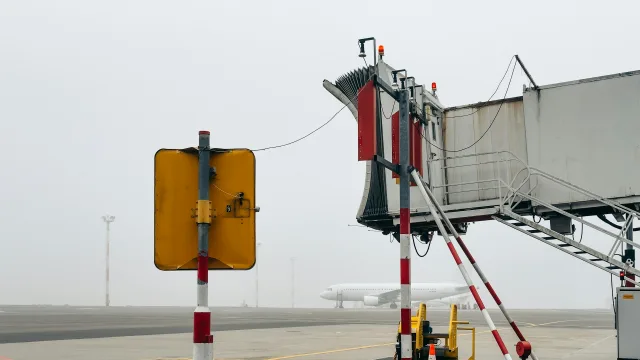
Homeland Security Secretary Markwayne Mullin has also addressed recent technology disruptions in recent days, including a four-hour nationwide Federal Aviation Administration ground stop that stranded travelers on Friday. On Monday, Mullin told Fox News he was 98 percent confident that the disruptions were not a cyberattack, suggesting that legacy backup systems were being overwhelmed as new technology is introduced.
Clayton stressed that government agencies and private tech firms must continue coordinating closely on cybersecurity, particularly as frontier artificial intelligence models are deployed. He urged ongoing collaboration between industry leaders and federal officials to identify and manage cyber risks before new AI models are released to the public.