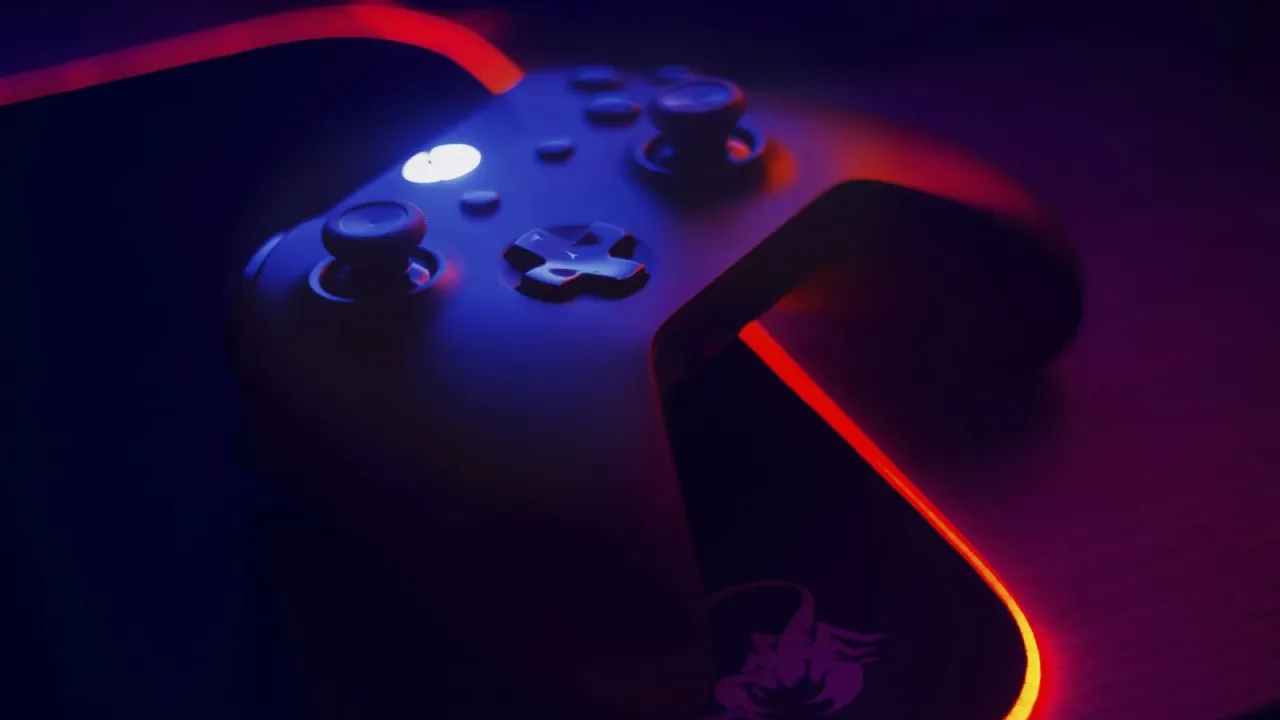
With the long-awaited release of Grand Theft Auto VI this week, parents and educators across the country are navigating how to handle the video game’s mature themes and intense popularity among teenagers. Developed by Rockstar Games and released Thursday for Sony PlayStation 5 and Microsoft Xbox Series X|S, the title arrives more than a decade after its 2013 predecessor.
The Entertainment Software Rating Board rated Grand Theft Auto VI M for Mature, designating it for players ages 17 and older. The rating cites intense violence, blood and gore, strong sexual content, nudity, strong language, and substance use. Set in Vice City, the open-world game follows lead characters Lucia Caminos and Jason Duval. The standard version costs $79.99, while an ultimate edition is priced at $99.99, alongside optional in-game purchases.
Expert advice and emotional readiness
Despite the mature rating, child experts note that many adolescents feel strong social pressure to participate. Writing for Business Insider, a clinical psychologist emphasized that parents should initiate conversations with their children regardless of whether they allow the game at home. Because gaming serves as social currency for teenagers, imposing bans without discussion can lead adolescents to watch gameplay streams on Twitch and YouTube or play at friends’ houses.
Child development experts urge parents to evaluate a child’s individual maturity rather than age alone. During adolescence, the prefrontal cortex—the area of the brain responsible for impulse control and reasoning—remains under development, meaning teenagers may lack full adult filters despite appearing physically older.
Dr. Nicholas Kardaras, a psychologist and author of “Glow Kids,” warned ABC News that parents often underestimate the visceral level of violence in the franchise. Kardaras recommended that parents of children under 17 set firm boundaries, noting that high-intensity gaming produces dopamine hits that reinforce compulsive behavior. He advised monitoring for warning signs such as declining grades, sleep disruption, and increased irritability.
Regarding potential behavioral effects, research remains mixed. A 2020 statement from the American Psychological Association indicated there is insufficient evidence to directly link violent video games to violent behavior. Licensed clinical social worker Catherine Hickem told ABC News that parents should consider how well an individual child processes disturbing content when making decisions.
Schools issue warnings as parents weigh choices
The anticipation surrounding the release has also led to responses from school officials. At Carmel Middle School in Charlotte, North Carolina, Assistant Principal Aletea Joosten sent an email to families on Nov. 18 urging students to stay in class. Joosten wrote that students should be “ready to play the most important game of all: their education.” Schools in the United Kingdom similarly sent letters to parents warning that missing school for the game would count as an unauthorized absence.
Parents themselves hold differing views on how to approach the game. Rebecca Krane, a mother of two in Burlington, New Jersey, told ABC News she is concerned about the adult content and does not want it in her house, though she acknowledged the difficulty of preventing outside exposure. Conversely, Matthew Priest, a father in Orange County, California, told ABC News he allows his teenage sons to play, expressing confidence in their ability to separate fantasy from real life.
Psychologists recommend that parents who permit the game consider co-playing during early sessions to foster connection and use console parental controls to manage playtime and spending.