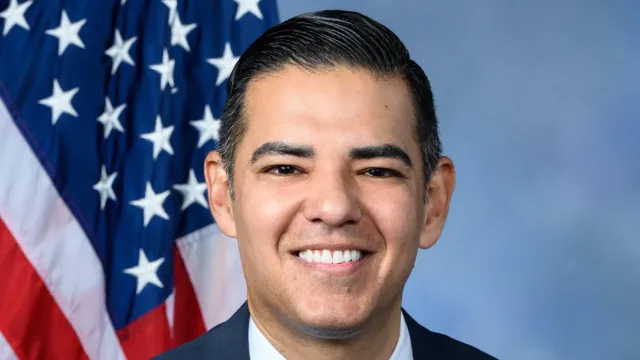
WASHINGTON — House Democrats on Wednesday formally nominated Representative Hakeem Jeffries of New York to serve as Speaker of the House when the party assumes control of the chamber in January.
The closed-door secret ballot vote concluded with 251 votes in favor of Jeffries and 11 opposed, NPR and ABC News reported. The victory positions the 56-year-old Brooklyn native to make history as the first Black lawmaker to serve as House speaker when the full chamber votes at the start of the 119th Congress on Jan. 3.
Jeffries, who has led House Democrats as minority leader since 2023, requested a recorded vote rather than seeking nomination by acclamation, according to the New York Post. The recorded tally allowed caucus members to log their positions on the leadership decision.
“Together, we will deliver bold change. And make a big difference in the lives of the American people!” Jeffries wrote on social media following the vote.
Factional Debates and Caucus Support
Although Jeffries ran uncontested, the 11 votes cast against him highlighted slight friction from the progressive wing of the party. Prior to the vote, an online petition urging Representative Ayanna Pressley of Massachusetts to run gathered over 150,000 signatures, though Pressley opted not to enter the race, according to the New York Post. Pressley stated at a town hall this week that she did not need the speaker’s post to advocate for constituents.
Additionally, seven incoming lawmakers, including Representatives-elect Darializa Avila Chevalier and Claire Valdez of New York, released a statement noting that further effort is required to ensure the party’s direction aligns with voter demands, BBC News reported. In the days leading up to the nomination vote, Jeffries met with progressive members and voiced support for policy goals including expanding Medicare, raising the federal minimum wage, and prohibiting stock trading by members of Congress.
Other incoming caucus members expressed confidence in Jeffries’ leadership. Representative-elect Dan Koh of Massachusetts noted to ABC News that having diverse voices at the leadership table generates better results for a broad coalition of voters.
Alongside Jeffries, House Democrats selected their broader leadership team for the upcoming session, nominating Representative Katherine Clark of Massachusetts for majority leader, Representative Pete Aguilar of California for majority whip, Representative Joe Neguse of Colorado for assistant speaker, and Representative Ted Lieu of California for caucus chair, according to the New York Post.
Path to the Speaker’s Gavel
Democrats secured a House majority in the recent midterm elections and are projected to hold at least 257 seats, while seven races remained uncalled as of Wednesday, according to news reports. To officially secure the speaker’s gavel during the Jan. 3 floor vote, Jeffries must win a simple majority of members voting on the floor, typically requiring 218 votes.
With a majority expected to exceed 250 seats, Jeffries maintains substantial room to absorb minor party dissent on the floor, unlike outgoing Speaker Mike Johnson, a Louisiana Republican who navigated a narrow two-seat majority over the past two years. House Republicans recently selected Representative Jim Jordan of Ohio to serve as minority leader for the next Congress.
In a letter released after the elections, Jeffries stated that House Democrats intend to prioritize lowering the cost of living and addressing economic challenges facing working families. He had previously stated that the party’s legislative focus would center on economic relief and affordability rather than efforts to impeach President Donald Trump.
What Comes Next
The full House of Representatives will convene on Jan. 3 to conduct the official floor vote for speaker. Jeffries is expected to face off against Jordan, the Republican nominee, in the floor contest. Meanwhile, Senate leadership decisions remain pending, with Democrats set to conduct their leadership elections in early December.