When microscopic plastic particles come into contact with water, their surfaces trigger chemical activity that produces highly reactive molecules, according to a study published in the journal Nature. The discovery offers a potential molecular explanation for why microplastics have been linked to cellular inflammation and serious medical conditions.
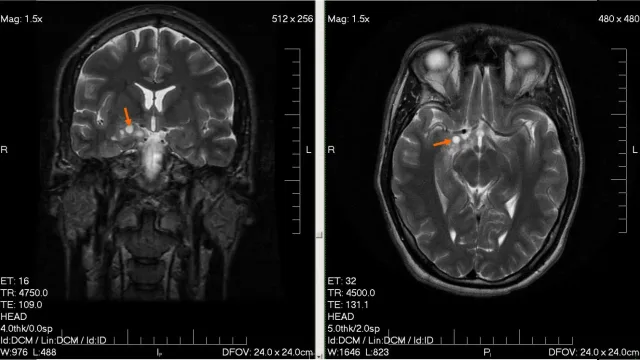
Microplastics have increasingly alarmed public health experts after earlier research tied their presence in the human body to elevated risks of heart attacks, stroke, dementia and brain tumors. Past laboratory studies also demonstrated that the particles can cause inflammation, oxidative stress and reduced mitochondrial performance, though the fundamental chemical mechanisms driving those effects remained largely unexplained, Scientific American reported.
Surface area amplifies chemical activity
Large, bulk plastics have long been viewed as chemically inert. However, when plastic fragments break down into microscopic specks, their ratio of surface area to volume surges dramatically. When an everyday item such as a credit card disintegrates into pieces roughly 10 microns across, its available surface area multiplies by more than two hundredfold, according to study senior author and Columbia University chemist Wei Min.
Min and his team evaluated several widespread plastic polymers, including polystyrene, polyethylene, polyvinyl chloride, polypropylene and polyethylene terephthalate. Because plastic surfaces are naturally hydrophobic, they repel surrounding liquid. As a consequence, water molecules near the particle surface cannot assemble the typical hydrogen-bond networks they maintain in bulk water, altering the local electrical conditions and generating chemically reactive species.
“For microplastics, this is especially important because fragmentation creates enormous amounts of new surface area,” Min told Scientific American.
Effects on biological molecules
In laboratory tests, the researchers observed that these active plastic-water boundaries can disturb nearby biological compounds, including cell membranes and proteins. In some experiments, the researchers tracked how the surface environment induced protein aggregation, testing reactions with model proteins and DNA.
The study suggests that toxic reactions are not merely an indirect outcome of foreign debris lodging in tissue, but a direct consequence of the material’s surface chemistry. Martin Wagner, a toxicologist at the Norwegian University of Science and Technology who was not involved in the research, told Scientific American that the paper provides a crucial perspective by showing that plastic particles act as direct generators of reactive molecules.
“It implies microplastics themselves are a source of oxidative species … and oxidative stress is not a secondary effect of exposure,” Wagner said.
Unanswered questions for human health
Despite the laboratory observations, scientists caution that it remains unclear exactly how these chemical interactions play out inside complex, living human tissues. Min noted that researchers still need to bridge the gap between microscopic interface chemistry and quantitative measurements of harm in biological systems, which will be essential to establish the true health risks of chronic plastic exposure.