Health officials in the Democratic Republic of the Congo confirmed Wednesday that the nation’s ongoing Ebola epidemic has surpassed 11,000 cases and claimed more than 5,300 lives, marking the deadliest outbreak in the country’s history.
According to health ministry figures cited by NPR and Al Jazeera English, 11,042 people have contracted the virus and 5,387 have died since the government declared the outbreak in mid-May. The death toll means that nearly half of all known patients have succumbed to the illness.
The current emergency is now the second-largest and second-deadliest Ebola outbreak on record globally, trailing only the West African epidemic that infected more than 28,000 people and killed over 11,000 between 2014 and 2016. However, NPR reported that the present crisis has accumulated cases and fatalities at roughly triple the pace of the West Africa outbreak over the same timeframe.
A Rare Strain Without Treatment
Efforts to control the surge face steep medical hurdles. The epidemic is driven by the rare Bundibugyo strain of the Ebola virus, for which there is no approved vaccine or specific therapeutic treatment, according to Al Jazeera English. The strain is fatal in roughly half of diagnosed infections.
The World Health Organization cleared clinical trials for two prospective vaccines earlier this month, Al Jazeera English reported. However, initial results from those studies are not projected to arrive until early 2027.
Because medical remedies remain limited, health officials must rely heavily on rapid isolation, contact tracing, and supportive care to stem the transmission of the virus. Many fatalities continue to occur outside established treatment centers, according to reporting by Al Jazeera English.
Conflict and Mistrust Hinder Aid
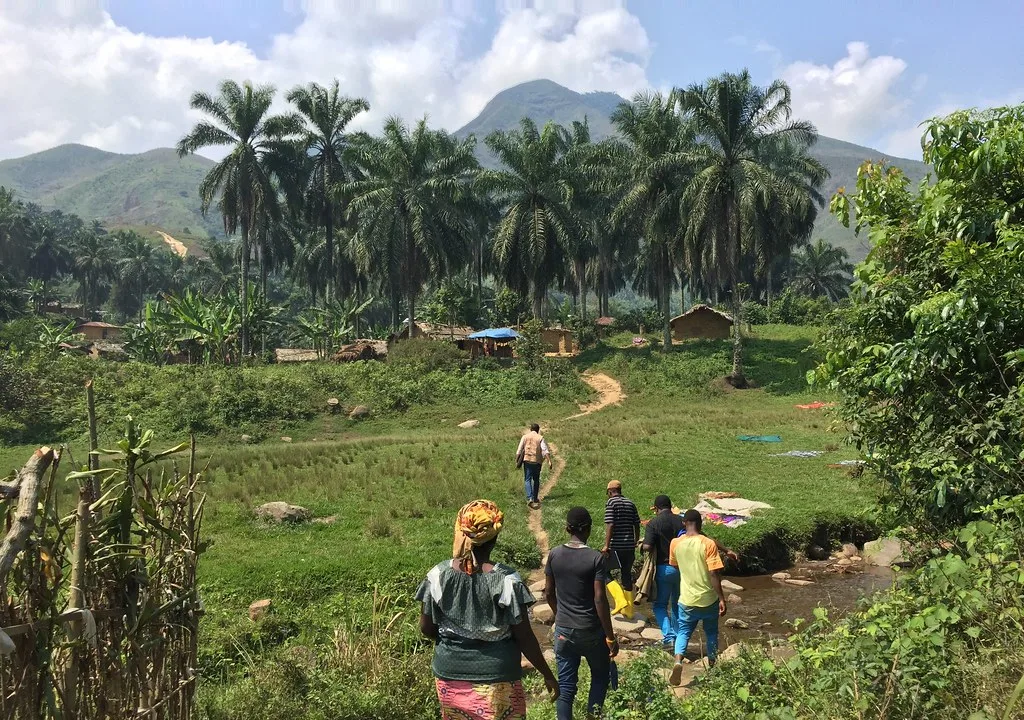
In addition to scientific obstacles, responders are confronting severe operational difficulties on the ground. The virus has spread across eight of Congo’s 26 provinces, with major hotspots concentrated in the eastern provinces of Ituri and North Kivu.
Authorities have struggled to contain the contagion amid ongoing armed fighting, degraded road networks, and a strained national healthcare system, NPR reported. Compounding the crisis, misinformation and community suspicion have triggered violence against medical personnel and treatment clinics.
Healthcare organizations and local officials have called for an immediate cessation of armed clashes in Ituri and North Kivu to allow medical teams safe, unrestricted access to sick residents and isolated communities.
Regional Spread Prompts International Concern
The outbreak has expanded beyond Congo’s borders, presenting what Al Jazeera English described as the widest geographical reach of any Ebola event recorded across the African continent. Cases linked to the epidemic have surfaced in Uganda, Kenya, and Nigeria, spanning East, Central, and West Africa, according to reports from both outlets.
Public health experts continue to urge international partners to scale up resources and emergency interventions to halt further cross-border transmission as responders wait for vaccine clinical trial data next year.