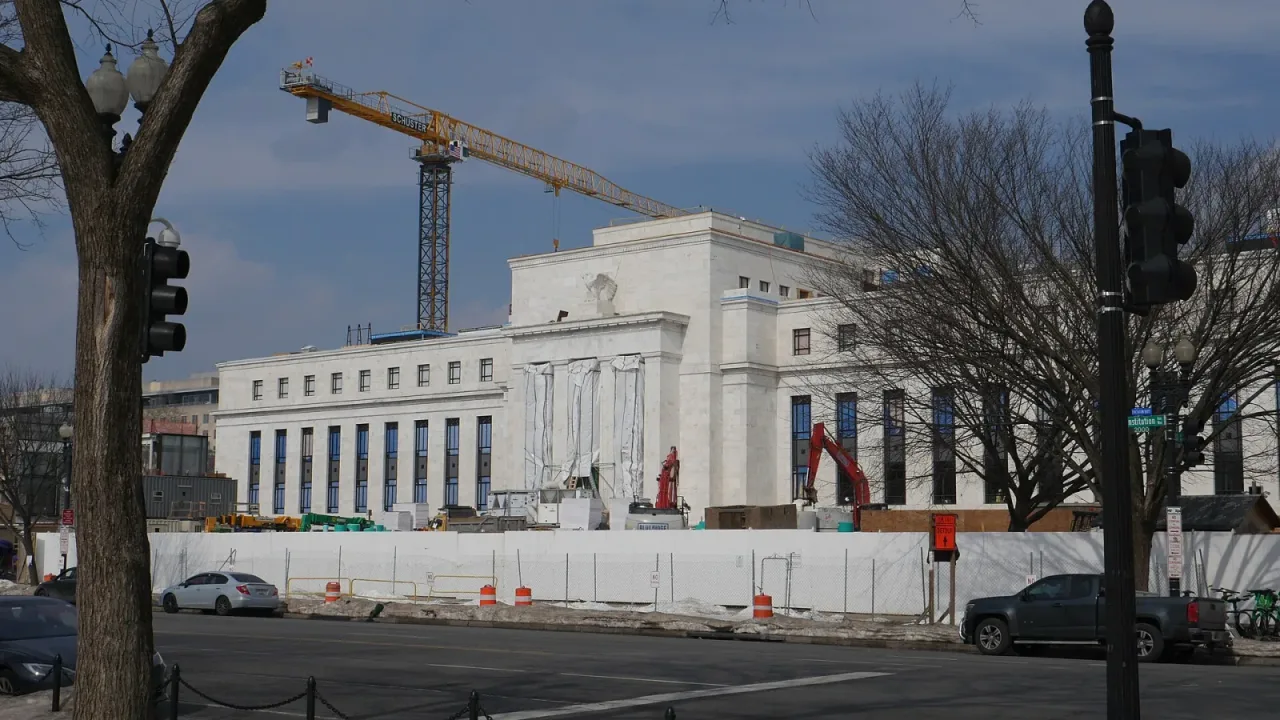
U.S. mortgage rates jumped this week, snapping a four-week streak of declines, after hotter-than-expected inflation reports drove up bond yields and fueled expectations of further Federal Reserve interest rate increases, Freddie Mac reported Thursday.
The average 30-year fixed-rate mortgage rose to 7.28 percent for the week ending Nov. 19, up from 7.11 percent the prior week, according to Freddie Mac data. The increase represents the largest single-week jump since early October. A year ago, the 30-year fixed rate stood at 6.26 percent. The 15-year fixed-rate mortgage also climbed, averaging 6.66 percent compared to 6.45 percent last week and 5.54 percent at this time last year.
Inflation worries drive Treasury yields higher
Mortgage borrowing rates closely track the yield on 10-year U.S. Treasury bonds, which rose after recent consumer and producer price index reports showed inflation remaining higher than anticipated. The economic figures reinforced market expectations that the Federal Reserve could raise its benchmark interest rate during its December policy meeting, according to Yahoo Finance and RISMedia.
While the central bank does not set mortgage rates directly, investors closely watch its policy decisions. “The debate has shifted from whether the Fed hikes in December to how aggressively it moves,” Realtor.com Senior Economist Anthony Smith said in a statement. Smith added that the shift creates a challenging environment for mortgage borrowing during an already slow season for real estate.
Housing market slowdown deepens
The rise in interest rates continues to stall real estate transactions across the country. Pending home sales, which track home purchase contracts that have not yet officially closed, plunged 4.7 percent in October from September and nearly 17 percent compared to October 2025, reaching a record low, the National Association of Realtors reported Wednesday.
Lawrence Yun, chief economist at the National Association of Realtors, called the decline puzzling given that the population in the U.S. has expanded by approximately 75 million people over the past three decades. Yun stated that either significant housing demand is accumulating in the background or ownership is becoming out of reach for many Americans.
Other indicators also highlight widespread market softness. Existing home sales dipped to their lowest point since 2010, while homebuilder confidence fell to a 14-year low, according to analysis by Smith. Building permit activity similarly fell to its lowest point since the beginning of the COVID-19 pandemic.
Affordability gaps widen for buyers
Skyrocketing borrowing costs have increased the financial burden on prospective home buyers. Bright MLS Chief Economist Lisa Sturtevant estimated that buying a median-priced American home with a 10 percent down payment now results in a monthly payment of $3,100, including typical property tax and insurance expenses. To qualify for such a purchase, a household needs an annual income exceeding $130,000, compared with the median household income of roughly $90,000.
Sturtevant noted that the median monthly mortgage payment is $250 higher than it was a year ago, when mortgage rates were a full percentage point lower. While the higher rates have priced out many prospective buyers, Smith noted that active shoppers may benefit from reduced market competition, increased overall inventory, and greater flexibility from sellers on pricing.