New York City Mayor Zohran Mamdani defended his proposal to establish five publicly funded grocery stores on Wednesday, facing questions about how his administration plans to sustain 30 percent price discounts without harming existing private supermarkets.
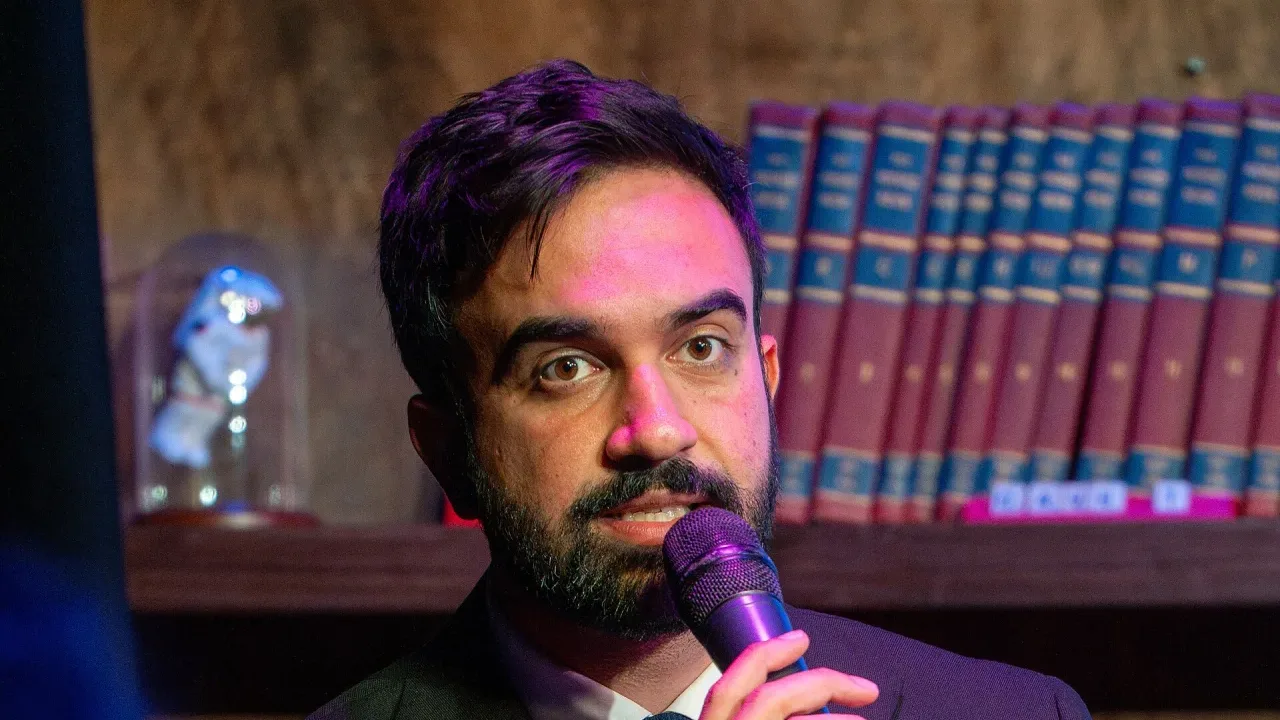
Speaking at the DealBook Summit, Mamdani was pressed on the financial viability of the plan by New York Times columnist Andrew Ross Sorkin, who noted that commercial grocers traditionally function on narrow profit margins between 1 percent and 4 percent. Asked to explain the underlying math, Mamdani stated that the operations would receive public funds, Fox Business and the New York Post reported.
When Sorkin questioned how long-term municipal subsidies would affect competing grocers, Mamdani shifted the focus to consumer price pressures. “When you were saying, ‘Explain the math to me,’ in some ways that’s the question that New Yorkers are asking themselves every day when they go to the grocery store,” Mamdani remarked, according to Fox Business, adding that residents are continually asking how everyday items have increased dramatically in cost.
Debate Over Subsidies and Scope
Mamdani argued that city backing for food retail is justified because municipal government routinely subsidizes vital services. He pointed to public transit, schools, libraries and sanitation as established programs that residents rely on without paying full price at the point of delivery, Fox Business reported.
Addressing common misconceptions, Mamdani highlighted the scale of the plan and pushed back against broader criticisms. “We’re going to create five, which I know might be news to a lot of Fox News viewers, because they hear about it every day, like we’re going to create a million,” Mamdani said, as reported by the New York Post. He clarified that the city is establishing cheaper supermarkets rather than free ones, pointing to lengthening lines at local food pantries as evidence of urgent community need.
Mamdani added that he intends for the subsidized locations to attract shoppers across all income levels rather than catering exclusively to low-income residents. “I want the public sector to be so good that the people in this room, no matter how much money they may have in their pocket, will choose to use that public sector,” he said, according to Fox Business.
Financial Structure and Expert Warnings
Under the city’s plan, New York City has committed $70 million to build five publicly funded, privately operated grocery stores, the New York Post reported. According to the administration’s request for proposals, municipal tax dollars will cover construction, rent and property taxes, as well as compensate private operators for revenue losses stemming from the mandated 30 percent price cuts.
The city’s procurement documents do not require private operators to share profits with taxpayers if the stores generate net revenue. However, the proposal framework awards extra points during bidding to candidates that agree to share company profits with store workers. The rules also prohibit operators from placing income limits on customers seeking discounted food, according to the New York Post.
Food economists have expressed skepticism about the long-term mechanics of the model. David Ortega, a food economist at Michigan State University, wrote in an essay for Vital City that municipal subsidies delivered through a storefront will assist nearby residents but do not actually lower the baseline cost of food, the New York Post reported. Ortega noted that the store model pays a portion of customer bills using tax revenues, adding that while the system can succeed in a small network, scaling it would require treating groceries as an ongoing expense budget item similar to funding public schools or street maintenance.
Legal Opposition and Timeline
The municipal initiative faces strong resistance from commercial store owners. In September, the National Supermarket Association filed a lawsuit against the city, claiming that government-subsidized retail constitutes predatory pricing aimed at undercutting private neighborhood grocers, the New York Post reported.
Bidding for private vendors seeking to run the five locations officially closed on Oct. 16. City Hall has indicated that it expects to announce the selected store operators next year, though the city has not disclosed the precise annual costs required to fund the ongoing discounts.