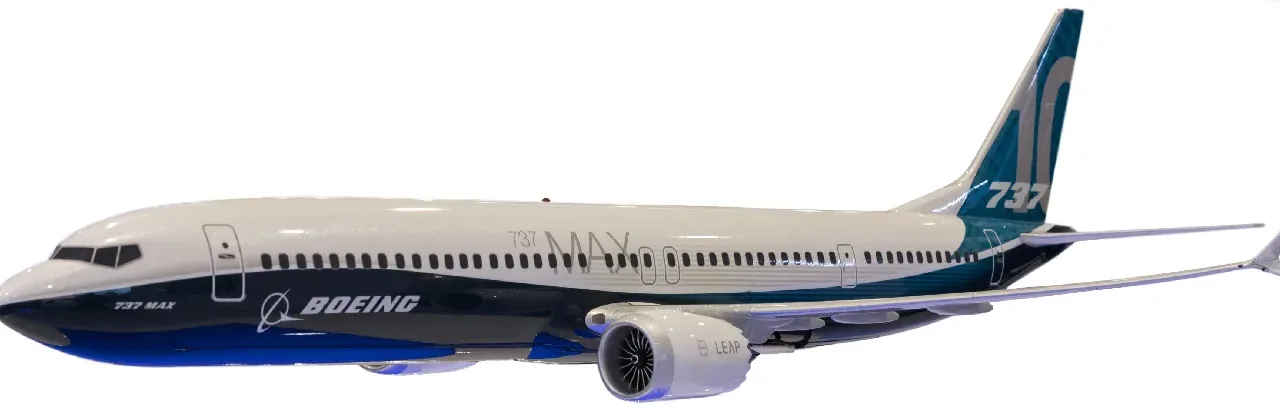
EVERETT, Wash. — Federal regulators on Tuesday granted formal certification to Boeing’s 737 Max 10, clearing the aerospace manufacturer’s largest narrow-body jetliner to enter commercial airline service after years of technical and regulatory setbacks.
The sign-off by the Federal Aviation Administration completes the regulatory review process for all four aircraft in the 737 Max family, following the agency’s approval of the smaller Max 7 in August. The milestone provides critical relief to Boeing as it works to mend its financial standing and brand after years of intense scrutiny over manufacturing quality and safety.
A Long Path to Approval
Boeing first introduced the Max 10 in 2017 to counter rival Airbus and its popular A321neo narrow-body airliner. The plane was initially scheduled to begin passenger service in 2020, but the timeline was derailed by global regulatory fallout from two fatal Max 8 crashes in 2018 and 2019, which killed 346 people. Heightened oversight deepened further following a midair blowout of a fuselage door plug aboard an Alaska Airlines Max 9 in early 2024.
U.S. Transportation Secretary Sean Duffy presented the certification documents Tuesday during an appearance at Boeing’s assembly complex in Everett, Washington. Duffy said the clearance came after thousands of hours of flight tests and exhaustive reviews, NPR reported.
“To think that it took us almost 10 years to get here. We all probably had a little less gray hair 10 years ago,” Duffy said during the factory visit.
In comments to CNBC, Duffy emphasized that passenger safety remains the top priority, but argued that federal procedures must become more efficient to keep pace with global rivals, noting European regulators certify aircraft in roughly half the time and pointing to rising competition from China. Regulators also reviewed a navigation software issue on the plane in recent weeks before concluding it did not compromise flight safety, according to CNBC.
Airline Customers and Fleet Rollout
The Max 10 typically accommodates 185 to 210 travelers and can carry as many as 230 passengers in dense configurations. For airlines, the aircraft promises reduced fuel consumption and lower operating costs per seat, a crucial advantage as carriers navigate high fuel prices linked to the U.S. conflict with Iran.
Stephanie Pope, president and chief executive of Boeing Commercial Airplanes, told attendees the milestone unlocks an essential path forward for the planemaker. Deliveries are scheduled to start in 2027.
Boeing holds 1,555 unfilled orders for the Max 10 across more than 30 airline customers, representing roughly 30 percent of the total backlog for the 737 Max family. Key purchasers include:
- United Airlines
- Delta Air Lines
- American Airlines
- Ryanair
- Alaska Airlines
Alaska Airlines, which ordered 105 of the aircraft in January, stated Tuesday that it expects to take delivery of its initial Max 10 during the second quarter of 2027. Ben Minicucci, chief executive of Alaska Air Group, said the carrier will install lie-flat premium seating on at least 25 of the aircraft for transcontinental service.
What Comes Next
While the FAA’s type certification affirms that the Max 10 design complies with federal standards, Boeing must still demonstrate that it can manufacture the airplanes to those specifications on a consistent basis. Federal inspectors must clear each individual plane before it can transport passengers, and carriers will need additional months after delivery to complete crew training and integrate the aircraft into commercial flight schedules.