Rising prices for groceries, travel and gifts are forcing many American households to scale back their holiday celebrations and adjust long-standing traditions this year, according to industry surveys and economic data.
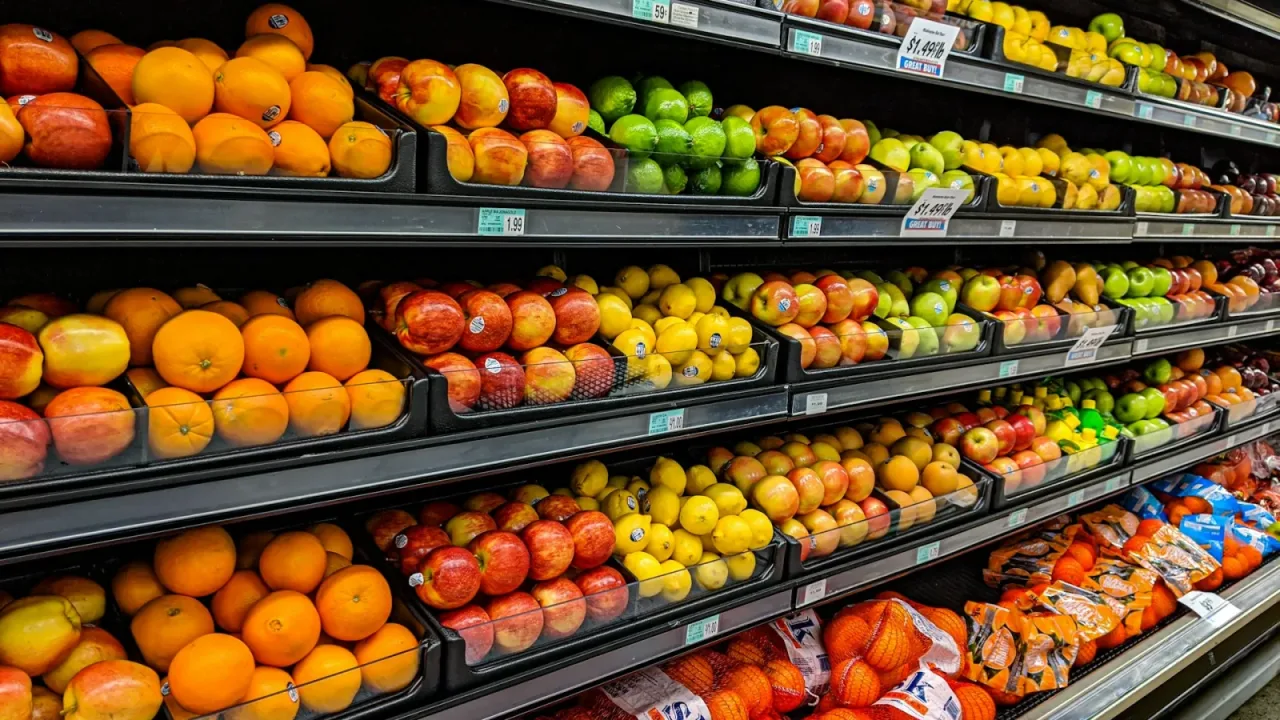
With consumer prices accelerating across multiple sectors, families are navigating higher expenses at every stage of the holiday season. A classic 10-person Thanksgiving dinner rose 6 percent to $58.63 in 2026, according to data from the American Farm Bureau Federation’s annual survey, which attributed the increase to elevated labor and transportation costs. Bureau of Labor Statistics data shows overall food prices have jumped about 24 percent over the past five years, with items like coffee and ground beef climbing more than 40 percent in that span.
To stretch their budgets, consumers are altering menus and seeking out value-focused alternatives. Grocers such as Walmart and Aldi have promoted Thanksgiving meal bundles, including a Walmart offer to feed 10 people for $35. However, economists note that homogeneous meal deals reflect broader pressures on household purchasing power. At the same time, policy changes under President Donald Trump’s “big beautiful bill” reduced SNAP benefits for millions of Americans, contributing to a surge in visits to food pantries. The Salvation Army reported that some food pantries provided two to three times the amount of groceries in October compared to the same month last year.
Travel and Heating Expenses Weigh on Households
Higher fuel costs are also altering holiday travel plans. AAA reported that the number of Americans traveling at least 50 miles for Thanksgiving is projected to decrease slightly year over year, marking the first annual drop since 2020. Gasoline prices remain roughly 18 percent higher year over year, while diesel prices reached a record national average of $6.53 per gallon in September before easing below $6 in mid-November.
Air travel costs have seen similar increases. Travel booking platform Hopper reported that roundtrip domestic airfare around Thanksgiving is up about 31 percent compared to last year, while Christmas airfare has risen 23 percent. Industry analysts attribute the higher ticket prices to jet fuel costs following conflict in Iran and reduced low-cost carrier capacity after Spirit Airlines ceased operations in May.
Families staying home are confronting higher winter heating bills as well. The National Energy Assistance Directors Association estimates average household heating expenses will rise 7 percent this winter to over $1,000, with home heating oil jumping about 70 percent year over year.
Adjusting Gift Budgets and Gifting Habits
Gift budgets are also facing pressure as toy prices have climbed more than 9 percent over the past year, reaching their highest levels since 2019, according to federal labor statistics. Industry analysts cite increased transportation costs, higher plastic prices and chip demand driven by artificial intelligence development.
In response, shoppers are modifying their buying habits. A survey by The Consumer Collective found that 71 percent of Americans report making trade-offs to afford the holiday season. Key shifts highlighted in recent surveys include:
- For households earning under $75,000, 35 percent intend to delay holiday shopping until after Thanksgiving, compared to 23 percent a year ago.
- Just 19 percent of lower- and middle-income households intend to buy gifts for close friends, down from 34 percent in 2025.
- Secondhand gift shopping rose to 13 percent among lower- and middle-income consumers, up from 8 percent last year.
- Approximately one-third of Americans expect to take on debt for holiday purchases, representing a 74 percent increase from 2025, according to survey results from TSG and the Electronic Transactions Association.
While consulting firm Bain & Company projects overall holiday retail sales will grow nearly 5 percent and surpass $1 trillion for the first time, analysts emphasize that much of the revenue increase is driven by inflation rather than higher purchase volumes. Financial institutions such as Citi note that spending gains are primarily led by upper-income households, reflecting a bifurcated economy where higher earners continue spending while lower-income consumers pull back.