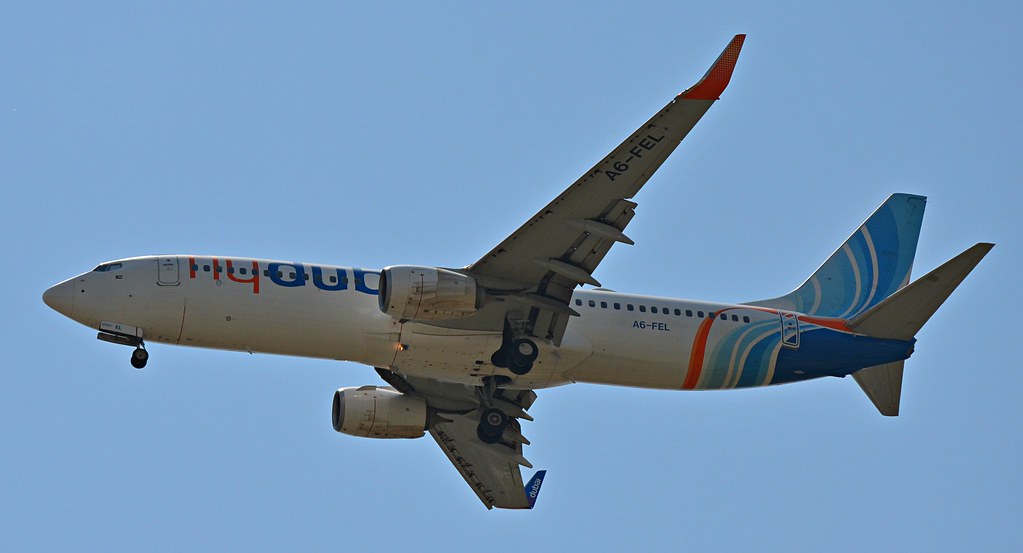
A detailed inquiry by United Arab Emirates prosecutors into an in-flight cockpit assault aboard a Tel Aviv-bound flight reveals how an individual harboring extremist ambitions allegedly navigated years of airline screening. The findings, made public Friday, underscore long-standing fears among counterterrorism officials regarding the insider threat posed by radicalized commercial pilots.
The anatomy of the alleged plot
According to UAE Attorney General Hamad Saif al-Shamsi, the Sept. 30 incident aboard Flydubai Flight FZ1073 was an attempted suicide attack designed to mimic the Sept. 11, 2001, strikes on the United States, Emirati state news agency WAM reported. Investigators said the 29-year-old co-pilot intended to seize control of the aircraft and deliberately crash it into a terminal at Israel’s Ben Gurion Airport to cause maximum casualties.
Flight-tracking data showed the airliner, carrying 174 people from Dubai, plunging thousands of feet in minutes after the co-pilot attacked the aircraft’s captain, Smit Machchhar, with an emergency crash axe, according to investigation reports cited by The Times of India and Al Jazeera English. Machchhar resisted despite severe injuries, and passengers along with crew members intervened to subdue the attacker. Two reserve pilots then took over the controls and safely diverted the jet to Tabuk, northwestern Saudi Arabia.
The suspect, identified by Reuters and The Associated Press as Omani national Hamam al-Hammami, confessed to planning the operation alone and preparing through physical training and boxing, al-Shamsi said. Public prosecutors noted that he had flown the route twice before to study the approach into Tel Aviv.
Screening limitations and missed signals
The case exposes the structural difficulty commercial carriers face when vetting flight crews for ideological extremism. Emirati investigators reviewed Flydubai’s hiring process and concluded the suspect had passed all requisite background checks, held a valid pilot’s license, and presented a certificate of good conduct before joining the carrier in January 2026, CNN and Al Jazeera reported.
Yet prosecutors traced the suspect’s shift toward violent extremism back to 2017 while he was a student in Australia. Furthermore, CNN reported that a source familiar with the case said the suspect had previously been removed from flight training at Oman Air due to worries about radical beliefs before being transferred to a non-flying role. He also spent three months in training with Royal Air Maroc in 2025 without being retained, the Moroccan airline told The Associated Press.
These fragmented employment records highlight how behavioral red flags may not easily transfer across international borders or private airline human resources databases, leaving aviation authorities reliant on standard criminal records that often fail to detect self-directed radicalization.
Geopolitical stakes and next steps
Beyond aviation security, the thwarted assault carries profound diplomatic implications. Regular commercial flights connecting Dubai and Tel Aviv represent one of the most visible symbols of normalizations established under the 2020 Abraham Accords. Had the aircraft struck Israel’s primary international gateway, the resulting catastrophe could have triggered severe regional escalation.
UAE prosecutors stated that while the suspect claimed to have acted entirely alone, authorities are continuing to examine cockpit recordings, technical evidence, and the potential involvement of outside networks.