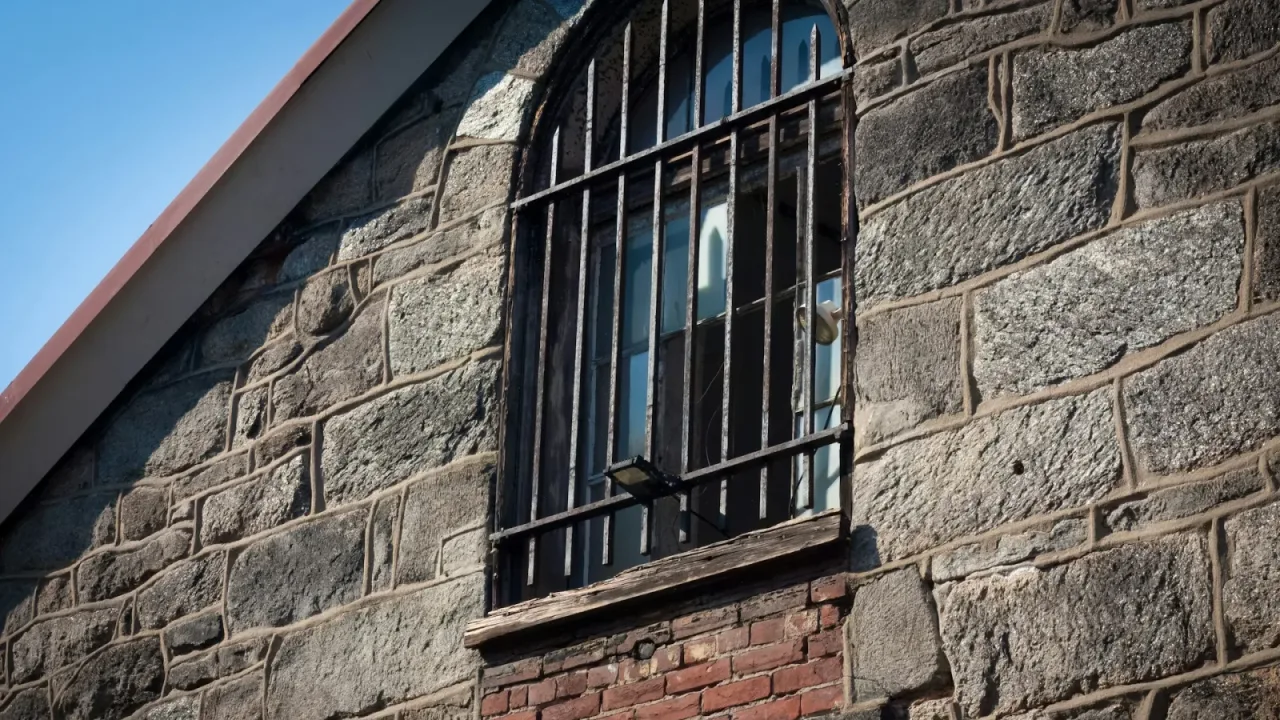
Haitian Minister of Justice and Public Security Patrick Pélissier announced an agreement with El Salvador on Friday for the construction of three new prisons, marking a major turn toward Central American hardline security tactics in the Caribbean nation. The first facility will be launched soon under expedited orders from Haiti’s prime minister, following Pélissier’s official mission to El Salvador where he toured the country’s maximum-security detention center, AP News reported.
The agreement highlights a rapidly expanding partnership between Port-au-Prince and San Salvador as Haitian officials seek answers to a devastating security crisis. Heavily armed criminal groups currently control roughly 70 percent of Haiti’s capital and large portions of its central territory, according to AP News. In early 2024, powerful gangs orchestrated mass raids on Haiti’s two largest prisons, freeing thousands of inmates and crippling the state’s detention capacity.
Exporting the Salvadoran model
The decision to contract a Salvadoran firm alongside a Haitian company to construct the facilities comes as El Salvador’s President Nayib Bukele gains regional attention for his anti-gang crackdown. Since imposing a state of exception in 2022, El Salvador has jailed more than 90,000 people, giving it the highest per capita incarceration rate globally, The Guardian reported. During his visit, Pélissier praised El Salvador’s primary maximum-security prison, known as CECOT, remarking, “Once you enter, there is no hope of ever seeing the outside world again,” AP News reported.
Despite warnings from human rights observers regarding severe overcrowding and due process violations in El Salvador, many Haitians have welcomed Bukele’s direct involvement in their nation, according to reports from The Guardian. Bukele dispatched roughly 2,500 Salvadoran soldiers to Haiti after four Salvadoran technicians vanished on Oct. 18, operating independently of the broader U.N.-backed security mission, AP News reported.
Operational challenges and key unknowns
Salvadoran forces have engaged in direct combat alongside Haitian police, utilizing armed helicopters and heavy equipment to retake key urban infrastructure, including Port-au-Prince’s primary sports stadium, CNN and The Guardian reported. However, the intervention carries steep operational risks. On Friday, two Salvadoran soldiers were killed and two others wounded in an accidental explosives blast at their camp in Haiti, AP News reported based on military statements. Additionally, Haitian security sources noted friction and a lack of coordination between Salvadoran units and international forces on the ground, CNN reported.
Significant questions remain regarding how the new prison project will function. Pélissier did not reveal the financial cost of the three prisons, whether El Salvador plans to help fund the construction, or if Salvadoran personnel will assist in managing the institutions, AP News reported. As Haiti works toward planned general elections next year, maintaining long-term control over recaptured territory and securely housing thousands of detained suspects will remain a central challenge for both governments.