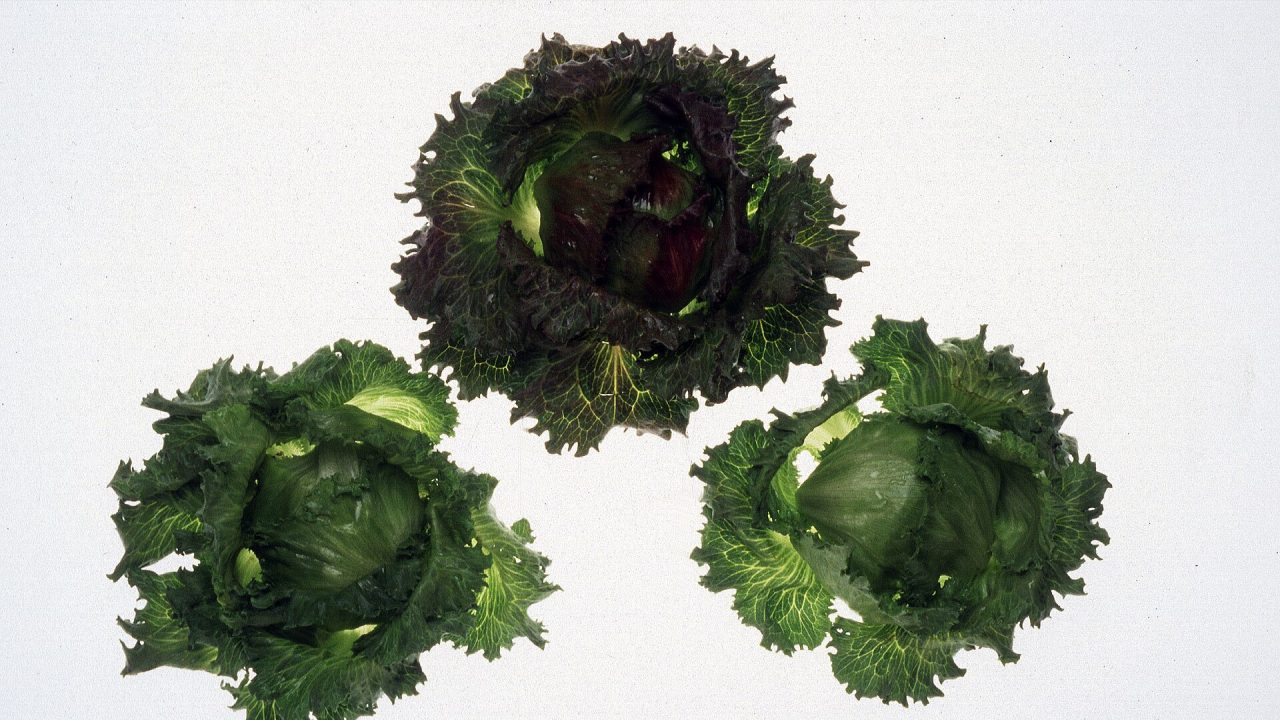
The Food and Drug Administration has closed its investigation into this summer’s cyclospora outbreak tied to recalled iceberg lettuce, reporting that inspectors in Mexico found the parasite at a Taylor Farms de Mexico processing plant and at a farm that grew the lettuce.
The agency announced the results Oct. 2 but said the evidence was not enough to determine how the lettuce became contaminated. By the FDA’s final count, the outbreak sickened 12,883 people in 21 states, sent 570 to the hospital and was associated with two deaths in Michigan. The Associated Press and The Washington Post both described it as the largest outbreak of the parasite in U.S. history.
What inspectors found
Working with Mexican officials, FDA teams collected water, soil, sediment and lettuce samples at several iceberg lettuce growers and at the processing plant, the agency said. Two samples tested positive. One came from a tank holding wastewater that flowed out of the Taylor Farms de Mexico facility. The other came from a drainage ditch at a grower that investigators had identified by tracing the recalled lettuce back through the supply chain.
In its closing notice, the FDA said the positive samples show cyclospora “was present in the environment where lettuce was grown and processed.” The agency said that finding adds to the epidemiological and traceback evidence that had already implicated Taylor Farms de Mexico’s shredded iceberg lettuce. Scientists are still comparing the genetic profile of the parasites in the environmental samples with those from patients, the Post reported.
FDA inspectors reached the operation in Guanajuato, in central Mexico, in August, the agency’s first visit there in more than seven years, according to the AP. That same month, Mexico’s food safety regulators said their own testing had found no cyclospora in the facility’s lettuce or water. Days before that, the FDA had withdrawn a faulty test result that wrongly flagged the parasite in a lettuce sample collected at the border, the AP reported.
Company and Mexican government respond
Taylor Fresh Foods, the parent company, said the grower where the positive ditch sample was taken is independent and is no longer one of its suppliers. A company spokesperson said the wastewater sample was drawn from waste and sewer water discharged outside the processing plant, and that the company is keeping its central Mexico facility closed while it adopts stronger safety protocols, ABC News reported.
Mexico’s Health Ministry pushed back Oct. 3, saying the FDA investigation had not conclusively pinpointed where the contamination came from, Reuters reported. In a joint statement with Cofepris, the country’s health regulator, the ministry said environmental findings alone are not conclusive proof that farm products caused the illnesses, and it noted that earlier tests by its national reference laboratory at the plant had come back negative, the Mexican news outlet Expansión Política reported.
How the outbreak unfolded
Illnesses first clustered in Michigan and nearby states early in the summer, the Post reported. In mid-July, federal officials tied the outbreak to shredded iceberg lettuce used at some Taco Bell locations, and on July 17 Taylor Farms de Mexico recalled all iceberg lettuce sourced from central Mexico. Taco Bell has said it no longer uses lettuce from that supplier at any of its restaurants.
The recall reached well beyond one restaurant chain. A Post analysis of FDA enforcement data found that recalls tied to the operation covered at least 3.1 million pounds of lettuce. Before the recall, more than 1,000 people were infected on a single peak day, according to CDC figures cited by the Post. The Centers for Disease Control and Prevention declared the outbreak over Sept. 11, and the FDA says the recalled lettuce is past its best-by dates and should no longer be in stores or restaurants.
Cyclospora is a microscopic parasite carried in human feces; people are infected by eating food or drinking water that has been contaminated with it. The illness it causes, cyclosporiasis, typically brings watery diarrhea, according to the CDC, and can also cause cramping and fatigue; without treatment, symptoms can last for weeks, the Post reported. The lettuce outbreak was the largest of several this year: As of Sept. 15, the CDC had counted 19,883 laboratory-confirmed cyclosporiasis cases nationwide, the FDA said. Investigators have not identified the sources of the smaller outbreaks.
What’s next
The FDA said closing the investigation does not end its work. On a separate page posted Oct. 2, it listed 10 actions it plans to take before the 2027 growing and harvesting season. They include publishing a detailed outbreak investigation report, increasing surveillance of produce historically linked to cyclospora, expanding laboratory capacity in Mexico so samples can be analyzed there, and conducting more inspections under the Foreign Supplier Verification Program, which requires importers to make sure foreign suppliers meet U.S. safety standards.
The agency also said it will work with the CDC on a single standard genetic testing method for the parasite and will fold lessons from the outbreak into its cyclospora prevention plan. Susan Mayne, who previously directed the FDA’s food safety center, told the Post that finding the parasite in water was significant, and she suggested the agency consider stationing a produce safety expert in Mexico so investigators can get on site faster.