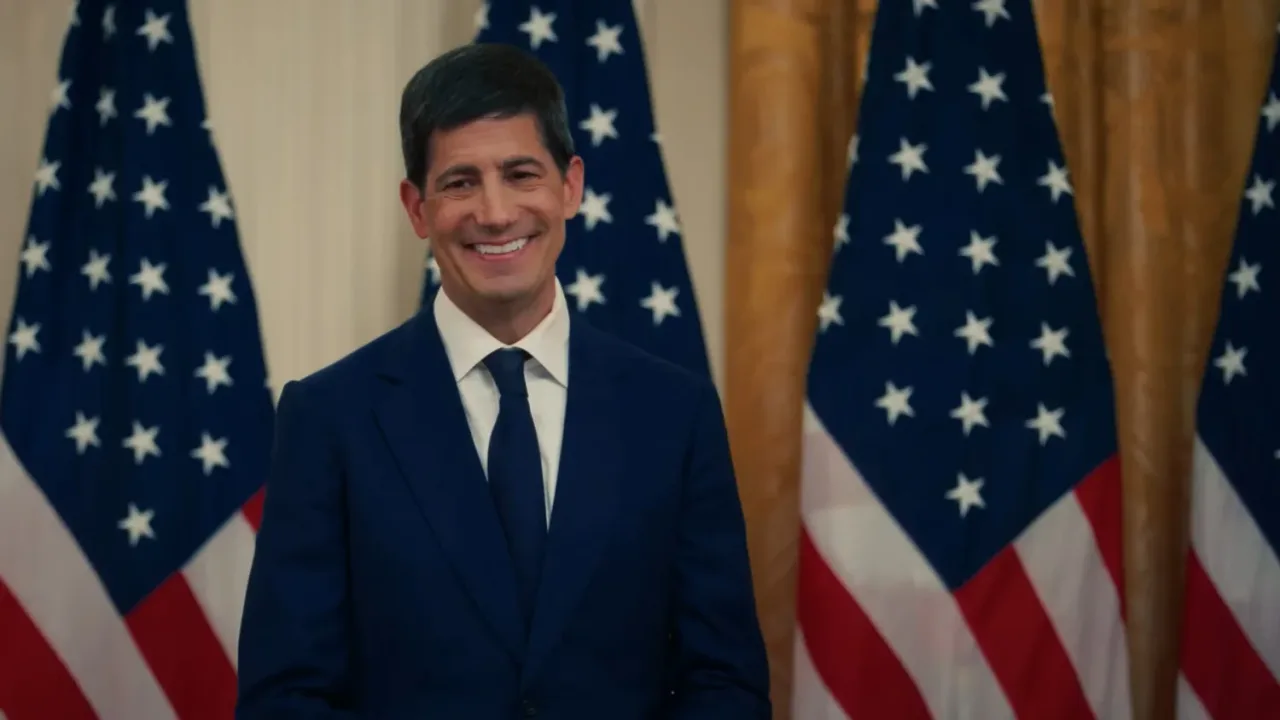
Federal Reserve Chairman Kevin Warsh on Friday declined to signal whether the central bank will raise interest rates at its upcoming meeting, maintaining a strict stance against providing forward guidance to financial markets.
Speaking at the annual meeting of the International Monetary Fund and the World Bank in Bangkok, Warsh emphasized that policymakers would make their decisions based on incoming economic data rather than advance promises. The remarks served as the final public comments from any Fed official before the central bank enters its mandatory pre-meeting blackout period on Saturday.
“I don’t prejudge meetings. I don’t believe in saying now what I might do at the meetings that we have in the balance of this year,” Warsh said, adding that under his leadership, “we’re not in that business anymore.”
The central bank lifted its benchmark interest rate in September to a range between 3.75 percent and 4 percent, marking its first rate increase since 2023. Recent data showed the consumer price index accelerated to 3.7 percent, driven in part by higher energy costs and elevated core inflation, NBC News reported.
The Artificial Intelligence Investment Surge
Warsh spent significant time discussing the broader economic impact of artificial intelligence, describing the massive wave of infrastructure spending as a transformative development that will alter central banking. Trillion-dollar corporations and utility companies are borrowing hundreds of billions of dollars to construct data centers, acquire specialized processors and secure power sources.
Vanguard estimated that data center developers, chip manufacturers and cloud providers could issue between $300 billion and $570 billion in debt this year, according to NBC News. Those heavy capital outlays have driven up component prices, prompting consumer electronics companies such as Apple and Nintendo to lift retail prices.
Warsh expressed long-term optimism about the technology’s potential to boost economic productivity and generate wealth, while cautioning that its near-term consequences for jobs remain uncertain. He revealed that a Federal Reserve advisory panel exploring the impact of artificial intelligence on employment will conduct a public hearing in November.
“I want you to hear from me optimism, but optimism leavened by the seriousness of purpose,” Warsh said, predicting that “the path from where we are to there is likely to be a very bumpy one.”
Inflation Pressures and Political Strains
Beyond technology investments, rising energy prices continue to complicate the economic picture. Fuel costs escalated dramatically following the outbreak of war with Iran in February, sending diesel prices higher across the country. Economists noted that higher diesel expenses quickly filter through shipping and agricultural networks, compounding price pressures on everyday grocery items and consumer goods, NBC News reported.
The persistent inflation and elevated interest rates pose ongoing political challenges for President Donald Trump ahead of congressional midterm elections. While Trump previously criticized former Fed Chair Jerome Powell, he has recently focused his complaints on other members of the Fed’s governing board, calling them “very political” and arguing that interest rates are set too high, despite having appointed four of the board’s seven sitting members.
Warsh noted that central banks worldwide are facing comparable pressures, producing what he characterized as a “synchronous tightening” of global monetary policy where no country can act as a free rider, CNBC reported.
What Comes Next
The Federal Open Market Committee will convene for its next two-day policy session on Oct. 27 and Oct. 28. Following Warsh’s remarks, futures tied to the S&P 500 and the Nasdaq pointed slightly higher, while Treasury yields remained steady, according to CNBC.
Financial markets largely expect policymakers to hold borrowing costs steady this month. Data from the CME FedWatch tool indicated investors see a 72.3 percent probability that the Fed maintains its benchmark rate unchanged in October, with many expecting a quarter-point rate increase at the subsequent meeting in December. Economists at Goldman Sachs similarly projected that the central bank will pause in October before delivering a final rate hike at the end of the year.