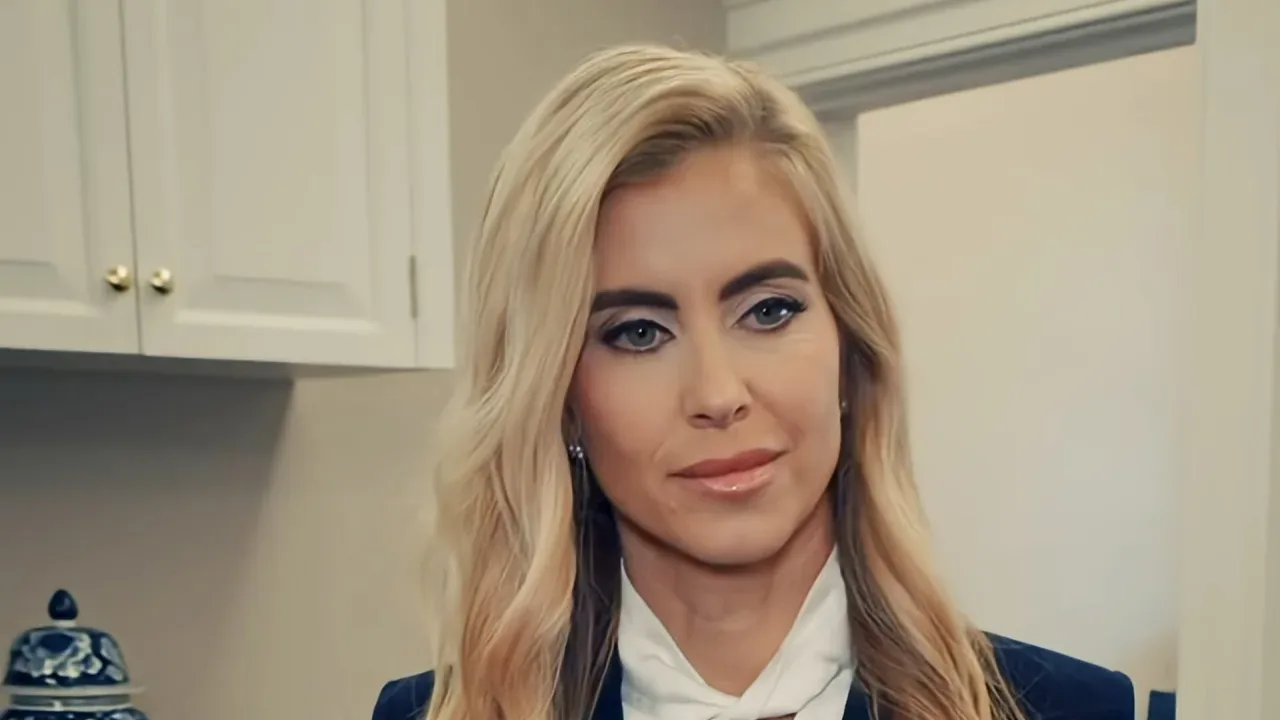
The sudden controversy over White House Press Secretary Katie Zacharia’s claims of being an attorney illustrates the persistent tensions surrounding President Donald Trump’s reliance on television presence and personal loyalty over traditional vetting procedures.
Trump announced Zacharia’s appointment on Oct. 9 to succeed former Press Secretary Karoline Leavitt, explicitly describing her as an “attorney” with an “unblemished record of support.” Yet reporting by The Wall Street Journal revealed that while Zacharia graduated from Pepperdine Caruso School of Law in 2011, she failed the California bar exam. A spokesperson for the State Bar of California confirmed it has no record of Zacharia ever holding a license to practice law in the state under either her married name or maiden name, Kate Sharon Black. A review by The Guardian across 38 states, the District of Columbia and the U.S. Virgin Islands similarly found no active or historical legal licenses in her name.
The Boundary Between Legal Degrees and Practice
The distinction between possessing a Juris Doctor degree and practicing as an attorney carries significant legal and ethical weight. Zacharia frequently presented herself as a lawyer during appearances on conservative television outlets, including an Aug. 31 broadcast on Fox News where she framed commentary on a criminal proceeding by stating, “As a lawyer, the procedural steps are absolutely critical.” Her LinkedIn profile also listed her as having served as general counsel for Fix California, an advocacy organization founded by Trump ally Ric Grenell.
Legal ethics experts told The Guardian that presenting oneself as an authorized legal practitioner without a license violates professional conduct statutes. Richard Painter, who served as chief White House ethics lawyer under President George W. Bush, stated that claiming attorney status without a bar license constitutes a misdemeanor under California state law. Campaign for Accountability, a government watchdog organization, formally filed an ethics complaint with the California bar on Wednesday, requesting an investigation into whether Zacharia deceived the public.
Zacharia told The New York Times that she previously consulted Pepperdine’s president about television appearances, saying she was advised to avoid terms like “esquire” while “lawyer” was deemed acceptable. When questioned by reporters alongside Trump on Tuesday regarding which state admitted her to the bar, Zacharia answered, “when I moved to China.” She later told The New York Times she misheard the question due to aircraft noise. Records indicate she worked in Beijing from 2011 to 2013 at Zhong Lun Law Firm, where Chinese statutes restrict legal licensing to Chinese citizens.
Political Fallout and Messaging Pressures
The White House sought to separate her role from the legal controversy. Administration officials told The Wall Street Journal that Zacharia was not hired to advise on legal affairs, while White House Communications Director Steven Cheung praised her to TheWrap as “uniquely qualified and whip smart” to communicate the administration’s platform.
Nevertheless, the episode arrives at a sensitive moment for the White House. Zacharia’s formal debut on Tuesday, Oct. 13, was a brief, 14-minute briefing marked by hesitation and an accidental verbal slip in which she referred to Trump as “my president” before correcting herself to say “my husband.” Reports from MS NOW indicated that internal staff felt blindsided by her initial outing, even as Trump publicly defended her work.
The appointment has also drawn scrutiny toward Zacharia’s previously deleted online posts, which promoted debunked conspiracies such as Pizzagate and suggested suspending the constitutional right to habeas corpus. With midterm campaigning intensifying in closely contested states such as Alaska, Zacharia faces the immediate test of commanding the White House lectern under sustained press questioning while state bar officials evaluate the licensing complaint against her.