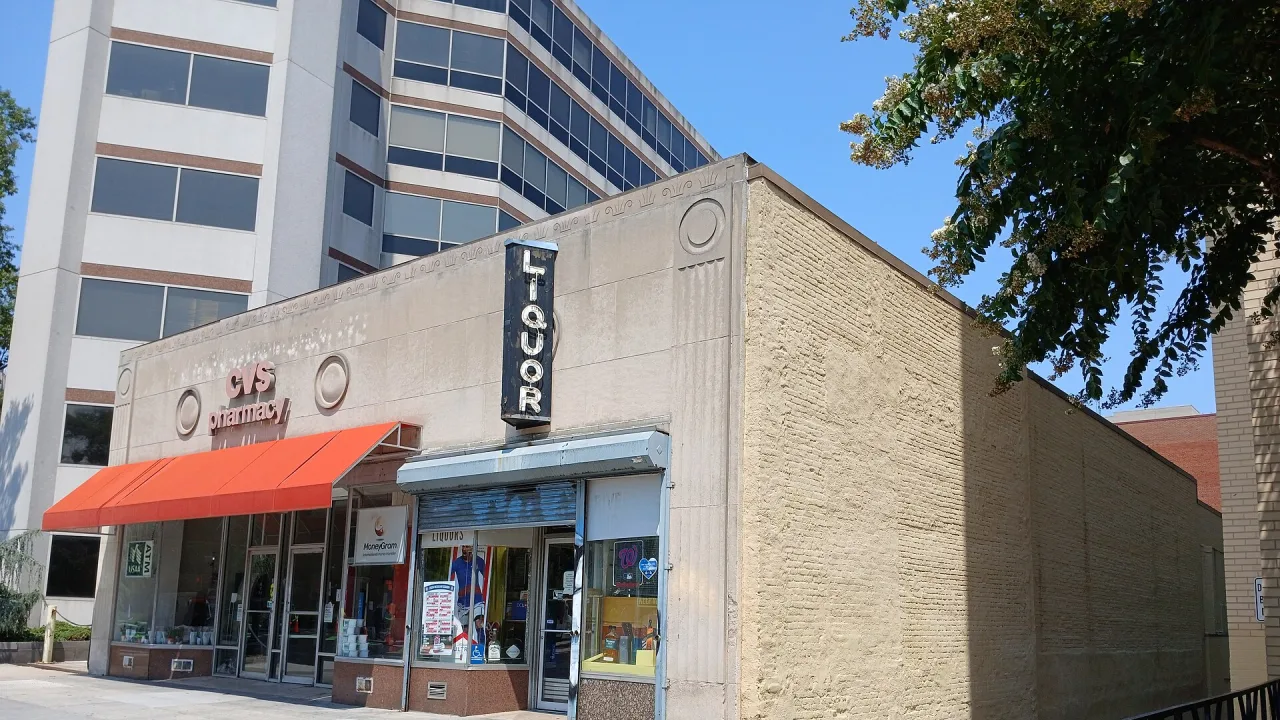
CVS Pharmacy Inc. has agreed to pay $315 million to resolve federal claims that its retail locations unlawfully distributed medically unnecessary prescriptions for opioids and other controlled substances, the Department of Justice announced Tuesday.
The agreement concludes a lawsuit initially brought by the federal government in 2024. Federal prosecutors alleged that CVS ignored obvious red flags and supplied vast amounts of addictive drugs that fed patient dependence while seeking reimbursement from Medicare, Medicaid and other federal health care programs. According to the Justice Department, the unlawful dispensing practices spanned from October 2013 through December 2025.
“Today’s settlement is a significant milestone in the Justice Department’s efforts to combat the opioid epidemic by cracking down on pharmacies who unlawfully fulfill prescriptions for controlled substances,” Associate Attorney General Stanley Woodward said in an emailed statement.
CVS strongly disputed the government’s allegations and admitted no wrongdoing under the terms of the agreement. In a statement reported by Fox Business, the company stated that its staff of more than 27,000 pharmacists is “highly trained in the safe and appropriate use of all medications” and that it maintains established programs to guide clinical choices. CVS previously argued in 2024 that federal authorities were judging pharmacy staff against vague and constantly shifting regulatory expectations.
Allegations of ‘pill mills’ and corporate pressure
In its original complaint, the federal government accused CVS of violating the Controlled Substances Act by honoring orders written by prescribers running so-called pill mills—clinicians who write high-volume prescriptions without a valid clinical reason. Prosecutors also pointed to frequent fills of dangerous cocktail combinations, such as the “trinity” mix that pairs an opioid with a muscle relaxant and a benzodiazepine.
The Justice Department claimed corporate policies aggravated the problem. The government alleged that CVS maintained inadequate staffing levels while imposing rapid performance quotas and incentive structures that pushed pharmacists to process orders swiftly rather than pausing to verify whether prescriptions were legally legitimate.
Safeguards and corporate oversight
In addition to the monetary penalty, CVS agreed to enter into a compliance pact with the Drug Enforcement Administration. Assistant Attorney General Brett Shumate, the head of the Justice Department’s Civil Division, noted that the settlement compels the company to “implement additional safeguards to ensure that prescriptions for opioids and other controlled substances are dispensed only when medically appropriate.”
Under the DEA agreement, CVS must establish a dedicated reporting hotline for employees and consumers to flag suspicious dispensing. The chain is also required to actively track dispensing patterns across its stores and set up formal procedures to scrutinize medical practitioners suspected of overprescribing.
Broader industry fallout
The resolution is part of a wider effort by federal and state regulators to penalize supply-chain companies for their roles in the deadly national overdose crisis. Over the past decade, litigation against drug manufacturers, distributors and pharmacy operators has generated more than $50 billion in civil settlements across the country.
While the vast majority of those funds stemmed from lawsuits led by state, local and tribal governments—including a nearly $5 billion agreement reached by CVS in 2022—the federal government has pursued separate actions against major retail chains, securing agreements in recent years with Walmart and Walgreens. CVS will now move forward with carrying out the required DEA monitoring protocols across its nationwide network of stores.