As respiratory viruses begin circulating more widely ahead of winter, health professionals are urging the public to focus on foundational lifestyle habits, vaccination and balanced nutrition to keep immune defenses strong.
During the 2024-25 season, the Centers for Disease Control and Prevention estimated 51 million flu-related illnesses occurred in the United States, Fox News Digital reported. Medical specialists emphasize that supporting the immune system involves maintaining balance rather than overstimulating it, while also guarding against common misconceptions regarding diet and dietary supplements.
The role of diet and gut health
Much of the body’s natural defense mechanism is tied directly to digestive health. Registered dietitian Erin Palinski-Wade told Fox News Digital that inadequate fiber, fermented foods and micronutrients can create an imbalance in the gut environment that impairs immune responses. A September report from the American College of Cardiology noted that merely 6 percent of adults in the U.S. get enough fiber each day.
To support digestive flora and cellular health, dietitians recommend incorporating:
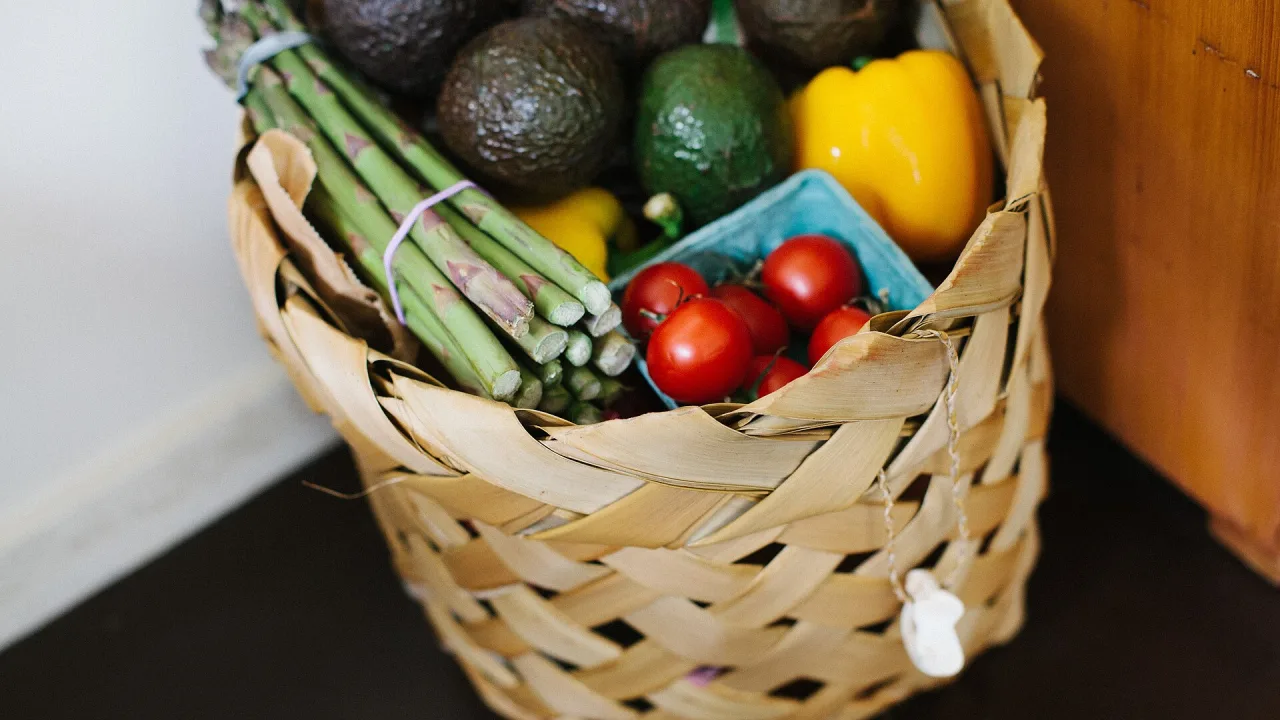
- Colorful produce such as bell peppers, kiwis, broccoli and citrus fruits, which provide vitamin C.
- Fermented foods like yogurt, kefir and sauerkraut to aid the gut microbiome.
- Fiber sources, including beans, nuts and seeds.
- Protein and zinc rich options like lean meats, shellfish, eggs, pumpkin seeds and chickpeas.
Hydration also plays a critical defensive role. Palinski-Wade noted that fluids keep airways moist, providing a first line of defense against viral infection. Registered dietitian Lauren Manaker pointed to dairy milk as a source of vitamin A, vitamin D, zinc and selenium. Addressing the common belief that milk increases phlegm, Palinski-Wade explained that milk interacting with saliva creates a thicker sensation in the throat rather than producing additional mucus.
Lifestyle choices and vaccination
Physicians stress that nutrition alone cannot replace proven medical safeguards. Dr. Anurag Bharadwaj, a consultant rheumatologist at Nuffield Brentwood Hospital, told The Independent that seasonal vaccination against influenza, Covid-19 and respiratory syncytial virus remains the most medically proven strategy to prevent severe infections, particularly for pregnant women, older adults and people with weakened immune systems.
Daily lifestyle patterns significantly alter immune readiness. Dr. Luke Powles of Bupa Health Clinics told The Independent that sleep gives the body time to fight off inflammation and repair itself, recommending seven to nine hours of quality rest per night. Regular moderate exercise, such as brisk walking and light resistance training, promotes healthy blood circulation and immune cell activity, while chronic stress, tobacco use and heavy alcohol intake dampen immune function, according to the doctors.
Caution with dietary supplements
While many turn to over-the-counter vitamins when illness strikes, healthcare professionals advise caution regarding dosage. Mary O’Meara, a nurse practitioner with OSF HealthCare, told WIFR that taking excessive amounts of supplements can lead to toxicity, which may cause stomach upset, nausea, vomiting, fatigue and even neurological complications in severe situations.
O’Meara noted there is little evidence that taking daily supplements prevents sickness, though moderate doses of zinc taken at the onset of a cold may shorten its duration. Health experts advise speaking with a doctor before starting new supplements and continuing basic precautions, including washing hands frequently and staying home when feeling sick.