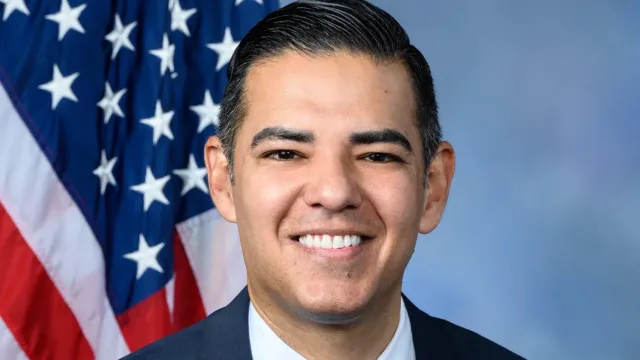
WASHINGTON — Maryland Sen. Chris Van Hollen is challenging incumbent New York Sen. Chuck Schumer for the post of Senate majority leader, setting up a rare contested leadership race as Democrats prepare to take control of a 56-seat majority following the midterm elections.
The upcoming vote by secret ballot marks the first contested election for the Senate Democratic caucus leadership since 1994, according to reporting by The New Yorker. Schumer, 76, has led Senate Democrats for a decade, while the 67-year-old Van Hollen is pitching himself as a catalyst for cultural and generational change within the party leadership.
Divided Support and Silent Caucus
With days remaining before Democratic senators cast their secret ballots, the majority of the incoming 56-member caucus has remained silent on their leadership preferences. At least 16 senators have publicly backed Schumer to maintain his leadership post, according to The New Yorker. Schumer recently told the Associated Press that he expects to win the election. Allies point to his track record of securing major legislative packages, including a $1.9 trillion pandemic stimulus package and a bipartisan $1 trillion infrastructure bill during the Biden administration, as well as Democratic Senate campaign victories in states like North Carolina, Ohio and Alaska.
Conversely, six senators have publicly declared support for Van Hollen, including Sen. Elissa Slotkin of Michigan and retiring Minnesota Sen. Tina Smith. Other supporters include incoming freshman progressive senators Peggy Flanagan of Minnesota and Abdul El-Sayed of Michigan. Slotkin noted in a video announcement that the public is seeking a new generation and bold ideas, while El-Sayed emphasized the need for new leadership to meet the current political moment. Thirty-one voting senators have not disclosed how they intend to vote in the internal caucus election.
The leadership campaign has also drawn attention outside the halls of Congress. High-profile celebrities, including Jane Fonda, Robert De Niro and Chelsea Handler, have offered public endorsements for Van Hollen. However, former aides noted to media outlets that external endorsements carry no formal weight in a secret-ballot vote conducted strictly among caucus members.
Ideological Shifts and Policy Friction
The contest highlights growing tensions over strategy, caucus governance and foreign policy within the Democratic party. Van Hollen has accused Schumer of running the caucus as a "one-man band" and has advocated for procedural reforms that would give freshman and rank-and-file lawmakers more influence over the legislative calendar. Furthermore, Van Hollen pointed to campaign calls from nearly half of the 13 incoming Democratic senators-elect who urged Schumer to step aside during the midterms.
Foreign policy has emerged as a key focal point between the two lawmakers. Van Hollen has become a prominent voice among Senate progressives calling for conditions on U.S. military assistance to Israel and boycotted Israeli Prime Minister Benjamin Netanyahu’s address to a joint meeting of Congress in 2024. Schumer, who is Jewish, supported continuing arms sales while calling for new elections in Israel, though he declined to shake Netanyahu’s hand during the same congressional address. The rift over Israel has sparked sharp reactions across the caucus; Pennsylvania Sen. John Fetterman stated on Fox News that he might leave the Democratic caucus if Van Hollen is elected leader due to Van Hollen’s foreign policy stances.
Additionally, ideological debate surrounds Schumer’s past willingness to compromise, including his decision to join eight Democrats in voting with Republicans to avoid a federal government shutdown in March 2025, a move that drew criticism from progressive lawmakers such as Rep. Alexandria Ocasio-Cortez.
Uncertain Outcome Ahead of Leadership Vote
While commentary published in Rolling Stone suggested Schumer could consider offering to step down after a set term to maintain party unity, neither candidate has announced a compromise agreement. As the secret-ballot vote approaches, it remains uncertain whether Schumer will consolidate his base among long-serving colleagues or if Van Hollen’s call for caucus overhaul will swing the undecided majority of Democratic senators.