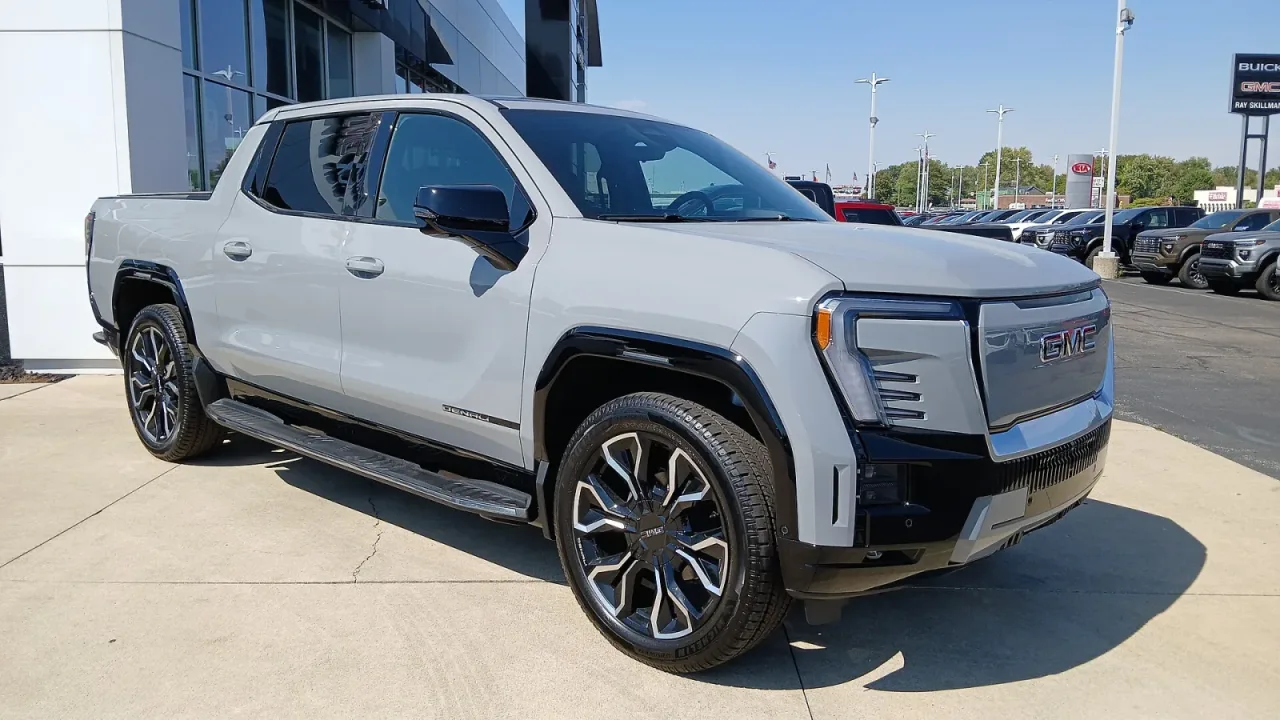
An electric vehicle driver traveling through Georgia following Hurricane Helene reported finding operational charging equipment even as widespread power outages forced gasoline stations to close for miles, according to online reports published by The Cool Down and Wisevoter.
The motorist shared the experience on Reddit’s r/ElectricVehicles forum after another user inquired about vehicle charging strategies during major power grid failures. The incident offers a real-world example of how electric vehicle charging options can perform when severe weather disrupts traditional energy distribution.
Navigating Post-Storm Disruption
The motorist recounted traveling from Montgomery, Alabama, to Titusville, Florida, while operating a Sierra EV and towing an SUV on a flatbed trailer. While driving through Georgia after Hurricane Helene struck the region, the motorist encountered a stretch of highway where retail gasoline stations were completely closed because local power outages had knocked out electricity to the fuel pumps.
According to the post, gas stations were out of service for at least 100 miles beyond the area. However, upon arriving in Vidalia, Georgia, the driver discovered functional 19.2-kilowatt Level 2 charging stations operating at a local Ford dealership.
The motorist was able to fully recharge the electric pickup truck at the dealership before resuming the journey southward. The driver noted that while the chargers in Vidalia were working, relying on public infrastructure during widespread grid failures remains unpredictable without advance planning.
Questions Over Grid Dependence
The account sparked broader debate within the online electric vehicle community regarding emergency preparedness and grid reliance. The original forum poster raised questions about whether major charging networks, such as Tesla Superchargers, maintain independent power backups or depend entirely on the surrounding electrical grid.
Forum commenters clarified that public charging stations connect directly to local power grids. One user pointed out that operating independent charging capability during prolonged outages typically requires home-based equipment, such as solar panels, battery storage, and an inverter, rather than relying on public charging plazas.
Another forum participant noted that during severe regional outages, transportation issues often become secondary to broader community disruptions, such as closed workplaces and schools.
Planning for Future Outages
The driver who traveled through Vidalia observed that if an outage covers a large geographic area and prevents driving to an unaffected region, EV owners without local generators or solar setups face similar mobility limitations as drivers of gasoline-powered vehicles.
While the experience in Vidalia demonstrated that some dealership and public chargers can remain functional while nearby gas stations go dark, availability across affected storm zones is not guaranteed. Electric vehicle advocates recommend that drivers in storm-prone areas verify station status in advance and identify alternative charging options prior to traveling through disaster zones.
As electric vehicle adoption continues to expand, emergency management officials and automotive analysts note that understanding how regional power grids and charging networks respond during severe weather events will remain a critical focus for resilient transportation planning.