SAN JOSÉ, Costa Rica — More than 400 academics, activists and public figures have signed an open letter urging Rebeca Grynspan, the frontrunner to become the next United Nations secretary-general, to publicly oppose her home country’s decision to detain and block UN special rapporteur Francesca Albanese from entering Costa Rica.
The letter, published Friday by the Costa Rican news outlet SURCOS Digital, asks Grynspan to implore the Costa Rican government to reverse its stance, permit Albanese entry and uphold her freedom of speech, Al Jazeera reported. Spearheaded by University of Costa Rica professor Juliana Martinez Franzoni, the signatories argued that candidates for the top UN post must demonstrate independence by defending organizational principles when compromised by their nominating nation.
Detention at the Airport
Albanese, the UN special rapporteur on human rights in the occupied Palestinian territory, arrived at Juan Santamaría International Airport near San José on Thursday to receive an honorary doctorate from the University of Costa Rica. However, immigration authorities stopped the Italian lawyer at the terminal, claiming she posed a national security risk due to an international alert alleging ties to terrorism.
Omer Badilla, director general of Costa Rica’s immigration agency, said in a video statement that police strictly enforce legal security measures when national safety is compromised, CNN reported. Officials did not reveal who issued the alert or provide evidence supporting the claim. Albanese strongly denied the accusations on social media and in news interviews, stating that defending human rights is not terrorism and demanding that authorities produce evidence.
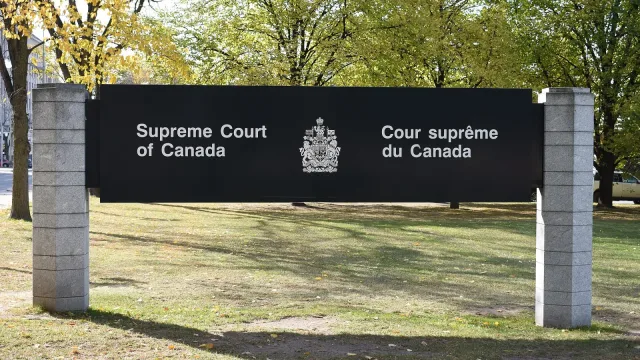
While held at the airport terminal, Albanese joined the university’s ceremony virtually on Friday as an assistant accepted the honor in person, ABC News reported. A habeas corpus petition filed on her behalf led Costa Rica’s Supreme Court Constitutional Chamber to issue an interim order preventing her immediate expulsion and giving immigration officials 24 hours to explain the decision.
Mounting International Criticism
The actions by Costa Rican authorities have drawn widespread condemnation from human rights officials and international observers. UN High Commissioner for Human Rights Volker Türk expressed deep concern over the entry denial on claimed security grounds, calling on Costa Rica to reconsider its decision, according to reports by Al Jazeera and CNN.
Albanese has faced previous political pressure over her work documenting human rights conditions in Palestinian territories and her vocal criticism of Israeli military actions in Gaza. The United States sanctioned her in July 2025, with Secretary of State Marco Rubio accusing her of conducting political warfare against the U.S. and Israel. Israeli Ambassador to the UN Danny Danon commended Costa Rica’s decision on social media, asserting that rapporteurs using their mandate against Israel should face consequences.
Scrutiny on UN Leadership Race
The incident places Grynspan in a delicate position as she seeks to succeed António Guterres as UN secretary-general. The 70-year-old former Costa Rican vice president currently leads the UN Conference on Trade and Development. On Nov. 20, she placed first in a secret Security Council straw poll, though two veto-bearing members voted against her nomination.
If elected, Grynspan would become the first female UN secretary-general and the first person of Jewish descent to lead the global organization. Grynspan did not immediately respond to requests for comment regarding the open letter or Albanese’s ongoing airport detention.