
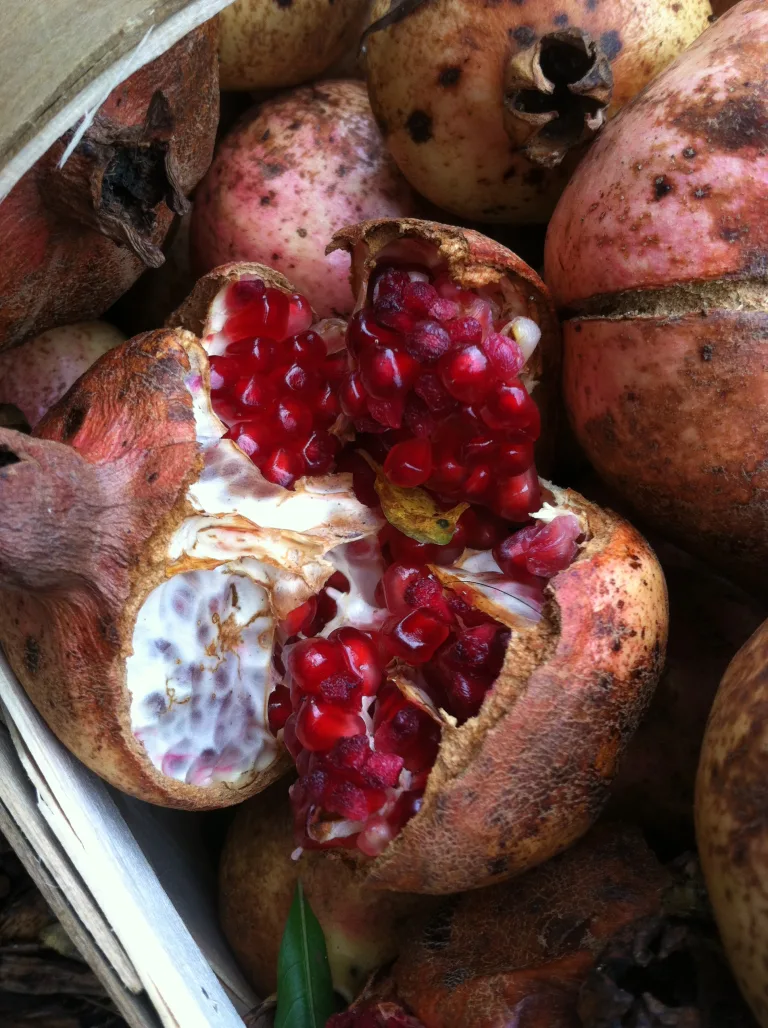
A compound produced by gut microbes after consuming pomegranates and berries could provide a new pathway to treat a notoriously stubborn form of heart disease, according to laboratory research published in the journal Science Advances.
Scientists at King’s College London discovered that the metabolite urolithin A significantly improved the relaxation of stiffened cardiac muscle in animal models and engineered human tissues. The study, backed by the British Heart Foundation, centered on heart failure with preserved ejection fraction, commonly known as HFpEF. Unlike standard heart failure where the muscle becomes too weak to pump, HFpEF leaves the heart capable of contracting normally but too rigid to relax and fill with blood between beats.
Targeting a hard-to-treat heart condition
Heart failure with preserved ejection fraction impacts roughly 3 million people in the United States and 32 million worldwide, the New York Post reported. Because standard heart therapies generally focus on strengthening pumping power rather than easing stiffness, physicians have had limited pharmaceutical tools to treat HFpEF patients, frequently relying instead on lifestyle interventions and managing blood pressure.
“Despite its growing burden, treatment options remain limited because the disease is complex and varies considerably between patients,” senior author Dr. Joseph Burgoyne said in a press release.
In tests conducted on male mice with damaged hearts, researchers administered urolithin A and observed up to an 80 percent improvement in cardiac performance compared to animals that did not receive the treatment, The Times of India reported. The compound also lessened scar tissue formation and lowered internal cardiac pressure, curbing fluid buildup and organ enlargement.
Cellular protein activated by gut metabolite
Urolithin A is a postbiotic created when digestive bacteria process natural compounds found in walnuts, berries and pomegranates, an ancient fruit native to Iran. However, previous research shows that only about 40 percent of individuals possess the gut microbiome composition needed to generate the molecule efficiently on their own.
To investigate whether the animal results could translate to people, the London research team tested the compound on lab-grown human cardiac tissue derived from stem cells. The treatment accelerated both contraction and relaxation rates in the engineered tissue, Ukrainian news outlet LIGA.net reported.
The scientists determined that the substance functions by stimulating PKGIα, a critical protein responsible for regulating blood pressure and signaling cardiac muscles to relax after each contraction.
Next steps and research limitations
While the findings offer an encouraging biological target, medical experts cautioned that eating pomegranates is not a standalone cure for cardiovascular illness. Burgoyne noted that the results primarily suggest dietary approaches designed to elevate urolithin A production could eventually help manage the condition.
Researchers also pointed out notable limitations in the current evidence, including that the animal experiments were performed exclusively on male mice. In humans, HFpEF disproportionately affects women, leaving open the question of whether female physiology responds identically to the molecule.
James Leiper, director of research at the British Heart Foundation, emphasized that no individual superfood can single-handedly prevent or reverse heart disease, according to The Times of India. Rigorous human clinical trials featuring diverse patient populations will be required before urolithin A can be evaluated as a viable clinical therapy.