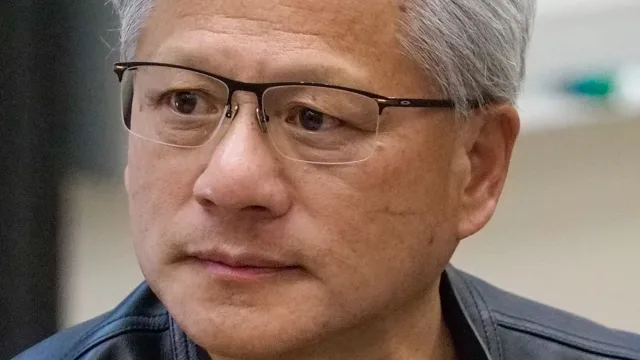
Nvidia Chief Executive Jensen Huang returned to lead the technology giant this week, just 11 days after resigning amid allegations of workplace misconduct and foreign intelligence concerns. The executive’s swift reinstatement followed direct intervention from President Donald Trump, who urged Nvidia’s board of directors to restore Huang to his post citing market stability and national interest in the artificial intelligence race.
Huang stepped down earlier this month after reports revealed an affair with Alice Huang, who previously held an executive position at the Singapore firm Megaspeed International. Federal officials previously accused Megaspeed of acquiring advanced Nvidia semiconductors to route them to China in defiance of U.S. export controls. Huang was also accused of having intimate relationships with two employees, including a direct subordinate, violating corporate policies.
Trump Intervenes Amid Espionage Concerns
The push to restore Huang gained momentum after Trump urged company leadership to bring him back, pointing to market reactions after the CEO’s resignation. In an interview with CNBC on Monday, Trump stated that a preliminary review cleared Huang of posing a national security risk, adding that the executive had apologized for his personal behavior.
However, national security officials and lawmakers expressed strong reservations about the decision. Intelligence officials briefed Congress this week that Alice Huang had passed corporate intelligence to Chinese government representatives while involved with the Nvidia founder. Marco Rubio, serving as national security advisor and secretary of state, previously warned the White House about potential counterintelligence risks stemming from the relationship.
Former officials and lawmakers across political lines questioned the rationale behind the executive’s return. John D. Woodward Jr., a former CIA officer, criticized the administration for relying on market performance over counterintelligence safeguards. Former Republican Sen. Mitt Romney also publicly criticized the situation, pointing to contradictions between U.S. efforts to restrict Chinese access to AI technology and the handling of security lapses at leading firms.
On Tuesday, U.S. Attorney General Todd Blanche declined to confirm whether federal agencies would launch a formal investigation into Huang’s actions, raising questions about potential legal scrutiny ahead.
Governance Warnings and Code of Conduct
Huang’s reinstatement has drawn sharp reaction from financial analysts and corporate governance experts. On Wednesday, S&P Global Ratings placed Nvidia’s credit rating on watch for a potential downgrade, warning that unresolved management deficiencies and key man dependence could undermine corporate oversight within 90 days.
Addressing employees during an all-hands meeting following his return, Huang acknowledged breaking Nvidia’s code of conduct but maintained that rule violations do not automatically lead to immediate termination. Despite concerns raised by external advisors regarding his flat organizational structure—where roughly 60 executives report directly to him—Huang reportedly informed staff on Tuesday that he does not plan to create a formal succession plan.
Nvidia’s board defended its choice, explaining in a statement that it was satisfied with Huang’s openness and had consulted with high-level federal officials before reinstating him. Whether the decision calms investors or prompts broader regulatory scrutiny remains uncertain as U.S. intelligence agencies monitor ongoing AI security threats.