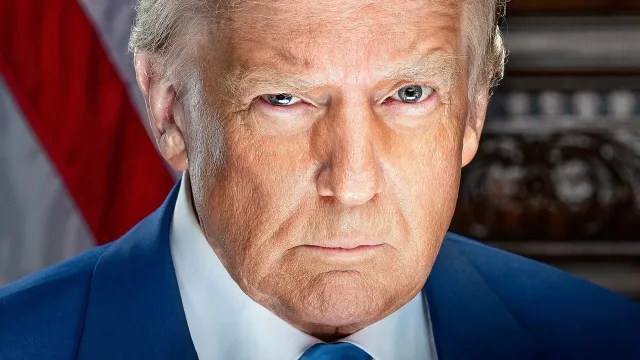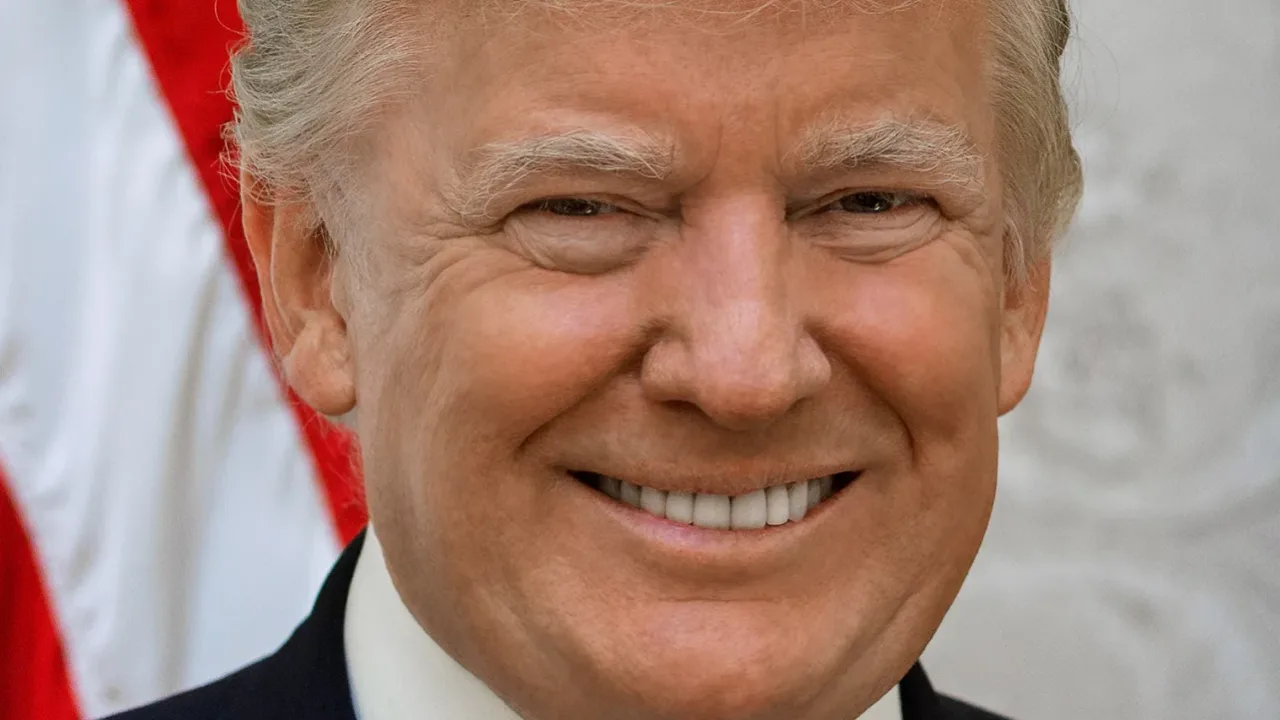
WASHINGTON — President Donald Trump stated that U.S. military operations against Iran are funded through late January, warning that incoming congressional Democrats could limit his military options and derail U.S. efforts, according to an interview published Tuesday by the New York Post.
Speaking in an Oval Office interview, Trump expressed concern that Democrats taking control of Congress in January might seek to bring the conflict to an early conclusion, which he claimed would transform a military success into a defeat, the New York Post reported.
Funding Timeline and Congressional Scrutiny
Trump asserted that military operations remain financially supported through the end of January. He argued that the U.S. has already achieved major strategic advantages over Iranian forces, telling the outlet that Tehran’s navy, air force, anti-aircraft capabilities, and leadership have been virtually destroyed, according to report details published by ABC News.
The president initiated the military campaign in February, initially projecting that the conflict would last approximately four weeks, the New York Post reported. However, negotiations with Tehran faltered, leading to a temporary ceasefire in April and a memorandum of understanding in June. That agreement broke down weeks later after Iranian forces attacked commercial vessels in the region, according to the New York Post.
Despite acknowledging that his operational flexibility could narrow once Democrats assume leadership in Congress, Trump questioned whether opposition lawmakers would push to stop the conflict politically, maintaining that the administration could conclude the war at its discretion, ABC News reported.
Regime Change and Strategic Objectives
Addressing Israel’s stated goal of bringing down the Islamic Republic, Trump remarked that ousted leadership in Tehran is “probably doable,” according to The Jerusalem Post. However, the president clarified that achieving regime change in Iran is not his central objective in the conflict.
Trump emphasized that his primary requirement remains preventing Tehran from acquiring a nuclear weapon, telling the New York Post that he had never made regime change a mandatory criteria for the U.S. campaign. Earlier on Tuesday, Trump declared that Iran’s military capabilities had been significantly weakened, characterizing the U.S. naval posture as “the greatest naval blockade in history” and stating that maritime commercial transit through the Strait of Hormuz was continuing, The Jerusalem Post reported.
Compensation Claims and Broader Foreign Policy
Trump also responded to recent announcements from Tehran that Iran intends to sue the United States for financial compensation following an airstrike on a school that resulted in the deaths of students and teachers, according to the New York Post. Trump rejected the Iranian legal initiative, countering that Tehran owes restitution for American lives lost in historical attacks, including the bombing of the USS Cole, as well as the deaths of 75,000 protesters killed by Iranian authorities over the past seven months.
Beyond the Middle East, Trump touched on relations with North Korea and the ongoing war in Ukraine during the Oval Office interview. The president denied media reports claiming North Korean leader Kim Jong Un had rejected recent diplomatic communications, stating that dialogue between the two nations could resume, the New York Post reported. Trump also dismissed assertions made by Ukrainian President Volodymyr Zelensky that American negotiators are pushing for a peace settlement with Russia by January, stating that he is not bound by a strict timeline to end the fighting between Moscow and Kyiv.