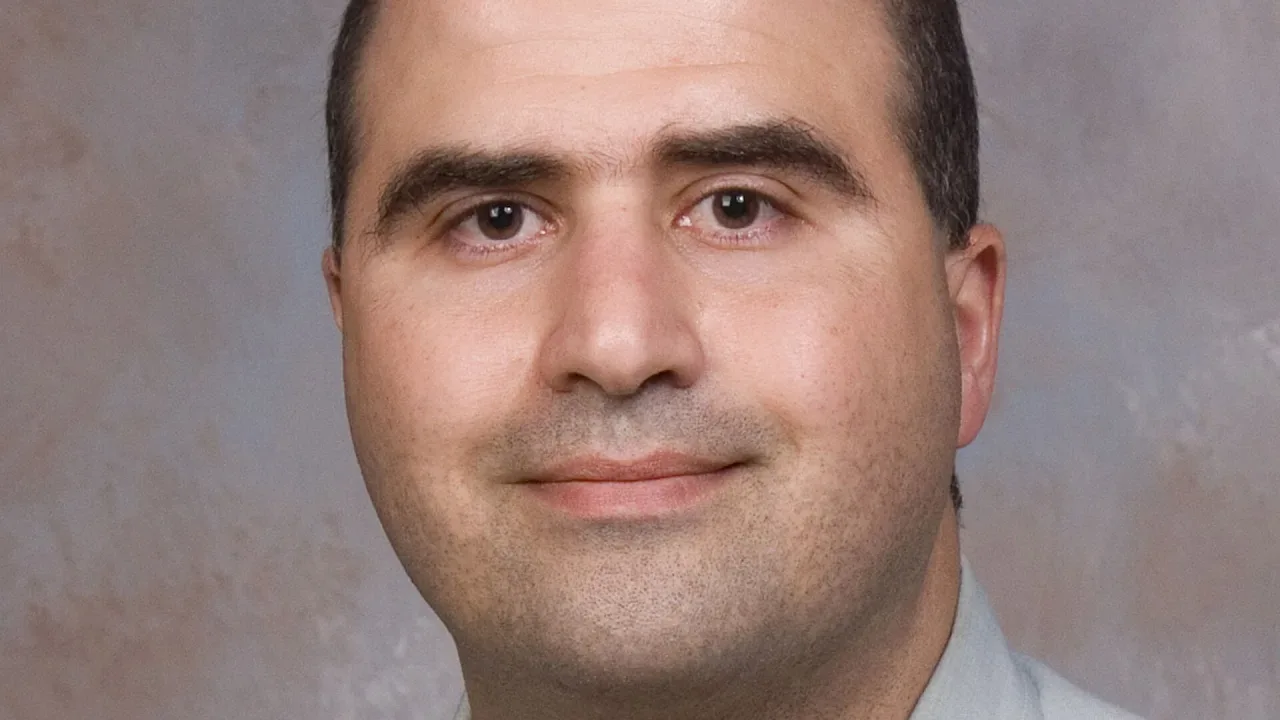
Nidal Hasan, the former U.S. Army major convicted in the 2009 mass shooting at Fort Hood, Texas, petitioned a federal court on Tuesday to stay his upcoming execution. Hasan filed a motion seeking a delay in U.S. District Court in Kansas so he can submit a habeas corpus petition challenging his death sentence, court records and legal advocates showed.
Hasan, 56, is scheduled to be executed by an Army firing squad on Dec. 3 at Fort Hood. The execution would mark the first carried out by the U.S. military since 1961 and its first execution by firing squad since World War II.
Constitutional Challenge Filed in Civilian Court
In the court filing signed by Hasan, he stated that he plans to show his death sentence was obtained and maintained in violation of his statutory and federal constitutional rights, CBS News reported. Hasan argued those rights were violated due to “unlawful command influence” by President Donald Trump and Defense Secretary Pete Hegseth, claiming their actions were driven by racial and religious animus, according to CBS News.
Standby counsel from the American Civil Liberties Union and the ACLU of Kansas supported the motion. “Mr. Hasan, like every person facing an irreversible punishment, must have a chance to pursue federal review of his case,” said Anna Arceneaux, deputy director of the ACLU’s Capital Punishment Project, in a statement reported by Fox News.
John Baker, a federal public defender assisting Hasan, said government officials had turned the case into “a political spectacle,” NBC News reported. Legal experts cited by NBC News noted that filing a habeas corpus petition in civilian court could trigger a lengthy federal review process, potentially stalling the execution past the end of Trump’s presidential term.
Hasan’s civilian court case was assigned to U.S. District Judge Tony Mattivi in Kansas, who scheduled a hearing for Wednesday morning, CBS News reported. Hasan is currently held on military death row at Fort Leavenworth, Kansas.
Controversy Surrounding Execution Protocols
The execution plans have drawn wide attention in recent weeks. Hegseth previously proposed livestreaming the execution, but Trump later announced that the broadcast would not occur following bipartisan backlash from lawmakers and civil rights groups, according to news reports.
Separately on Tuesday, military officials rejected appeals from three survivors of the massacre who requested to witness the execution, CBS News and ABC News reported. The Army determined that retired Col. Kathy Platoni, retired Maj. C. Alan Hopewell and Julia Wilson were not direct victims under military execution regulations because they were not physically hit by gunfire.
The Army cited security concerns and space constraints at the execution site for limiting the witness list, according to correspondence reviewed by ABC News. Platoni called the refusal a betrayal, telling reporters she wanted to attend to honor slain colleagues and see justice served.
Next Steps in Federal Court
Hasan was convicted at a military court-martial in 2013 of 13 counts of premeditated murder and 32 counts of attempted premeditated murder after opening fire inside a medical processing building at Fort Hood on Nov. 5, 2009. Hasan acknowledged his responsibility during his trial, stating his actions were motivated by opposition to U.S. military operations in Iraq and Afghanistan. He uses a wheelchair after being paralyzed when police officers shot him during his arrest.
With Hasan having exhausted his military justice appeals and Trump approving the death warrant in October, the case now rests before Judge Mattivi. The federal court must decide whether to grant the requested stay before the scheduled Dec. 3 execution date.