A record-setting El Niño peaking in the Pacific Ocean will dramatically alter seasonal weather patterns across the globe this winter, according to a climate analysis published Nov. 23. The study evaluated weather forecasts for roughly 37,000 cities worldwide, showing that communities face starkly different conditions ranging from heavy rainfall and severe flooding to intense drought and unusual warmth from December 2026 through February 2027.
The analysis, published by The Washington Post, synthesized 51 distinct computer model scenarios derived from the European Centre for Medium-Range Weather Forecasts and ERA5-Land historical climate data provided by the Copernicus Climate Change Service. By comparing projected conditions against historical climate norms spanning 1991 through 2020, the study assigned specific weather descriptors to municipalities to indicate how upcoming months may compare with typical winters.
Shifting Jet Stream Drives U.S. Impacts
In the United States, El Niño impacts usually peak between late fall and winter as equatorial Pacific waters reach maximum heat. Towering thunderstorms forming over the unusually warm ocean transfer immense thermal energy into the upper atmosphere, strengthening and shifting the subtropical jet stream across the southern tier of the country.
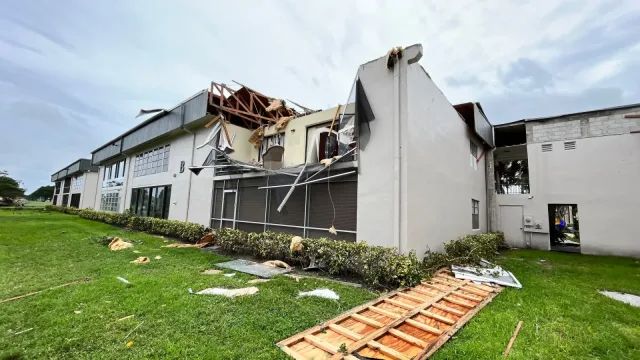
That atmospheric shift is expected to fuel a volatile winter season. Parts of California and Florida have already suffered flooding events, and forecasters anticipate further heavy precipitation, high coastal water levels and severe storm systems across southern states. Meanwhile, northern states are projected to experience December temperatures considerably higher than historical averages.
Individual cities display varying levels of risk under the forecast scenarios:
- San Francisco: Forecasters report a 90 percent or higher probability of warmer and wetter conditions. Increased wind and elevated humidity are also likely, with at least a 60 percent chance, while cloudier skies remain possible.
- Washington, D.C.: Wetter conditions, higher humidity and stronger winds represent the primary outcomes carrying at least medium confidence. The nation’s capital faces a 33 percent chance of extreme rainfall, defined as precipitation ranking in the top 5 percent of historical records.
- The Intermountain West: Regions experiencing drought could see welcome relief from increased precipitation, including enhanced winter snowfall.
- Appalachia and the Central U.S.: Additional snow remains possible in parts of the central and western states as well as the Appalachian mountain range, even as overall northern temperatures tilt warm.
Unprecedented Pacific Ocean Warming
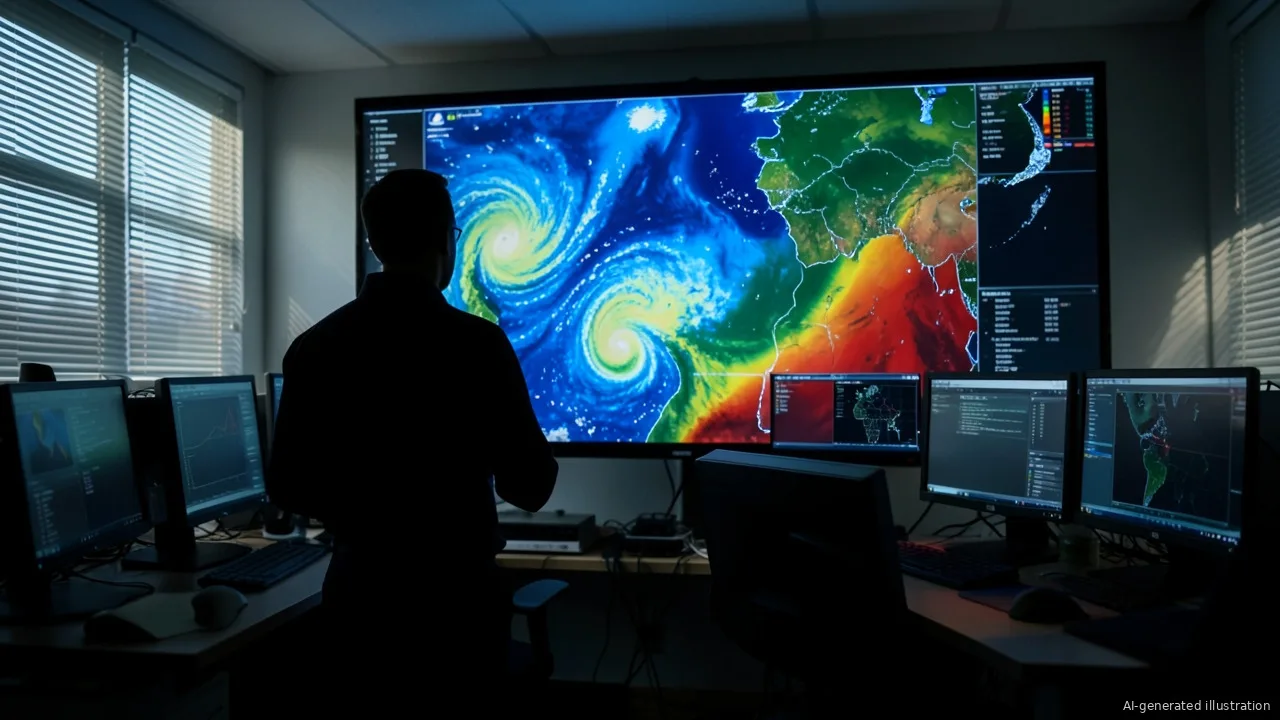
The global weather outlook arrives amid unprecedented ocean heating in the equatorial Pacific. Data analyzed by meteorologists indicates localized sea surface temperatures off the coast of Peru and near the Galapagos Islands have spiked as much as 18 degrees Fahrenheit above normal levels. Across the broader central Pacific, surface waters are running 5.4 to 7.2 degrees Fahrenheit above baseline averages.
Meteorologist Ryan Maue highlighted the extreme localized heating on social media, describing the event as a “Mega El Niño.” Climate scientist Rebekah Jones warned that the current warming trajectory could eclipse historical ocean temperature records established during previous historic El Niño events.
As the winter season begins, meteorologists note that while overall seasonal trends are favored with high confidence in many regions, localized daily impacts will depend on how individual storm tracks interact with the supercharged jet stream over the coming months.