BRASILIA — A powerful early morning storm packing winds of up to 70 mph swept through southern Brazil on Friday, Nov. 20, killing at least three people and damaging thousands of homes across the region, officials and news outlets reported.
The severe weather struck the municipality of Tupanciretã in the state of Rio Grande do Sul at around 3 a.m. local time. Although the storm lasted less than an hour, it inflicted widespread destruction across the town of 20,000 residents, uprooting about 100 trees, tearing roofs off buildings, and leaving neighborhoods littered with debris.
Severe damage in Tupanciretã
Local authorities described severe disruption to critical infrastructure in Tupanciretã following the early morning tempest. Municipal access roads were severed by downed trees, and the town was left without water and electricity.
Tupanciretã Mayor Gustavo Herter told local media that the devastation was “something never seen before, a movie scene.”
“Our hospital was blocked by the trees around it, the access roads to the municipality were blocked with trees. The city is finished,” Herter said.
The storm destroyed the roof of the municipal hospital, forcing emergency responders to transfer 11 patients to another facility. In another incident, a roof collapsed over a venue hosting a local gathering. Luciano Boeira, state coordinator of civil defence, told Radio Gaucha that “there was a party in the municipality where the roof of that structure ended up collapsing.”
Regional destruction and possible tornado
The impact of the weather system extended well beyond Tupanciretã. State officials reported that 32 additional municipalities in Rio Grande do Sul suffered storm-related damage during the overnight event.
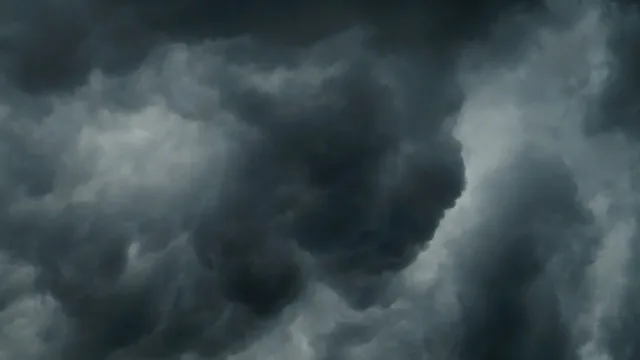
Brazilian meteorologists noted that wind gusts reached 114 km per hour, equivalent to about 70 mph. Civil Defence officials categorized the atmospheric event as a supercell—an intense storm system defined by strong upward air currents that often generates tornadoes. Civil Defence authorities stated that they have not ruled out the possibility that a tornado hit the city, noting that southern Brazil experiences tornadoes frequently.
Initial reports varied regarding total casualties and property damage. According to Free Malaysia Today, the Rio Grande do Sul state government confirmed three fatalities, with state officials estimating that roughly 5,000 homes were destroyed. Meanwhile, Asianet Newsable reported that at least one person died and that approximately 8,000 homes suffered roof damage as strong gusts swept through residential communities.
Emergency response and ongoing recovery
In response to the emergency, Brazilian President Luiz Inácio Lula da Silva directed federal rescue teams to deploy directly to the impacted area to support local recovery efforts.
To assist in immediate relief, state officials allocated approximately $330,000 in local currency to fund emergency operations, road clearing, and medical response.
As rescue teams continue searching through the wreckage, workers are clearing downed trees from blocked roadways and attempting to restore municipal power and water supplies. Authorities remain on site assessing structural damage across the impacted municipalities to determine the full extent of the disaster.