BERLIN — European leaders and Ukrainian President Volodymyr Zelenskyy pushed back Thursday against any attempt to negotiate Ukraine’s future without their direct involvement, speaking out hours after U.S. President Donald Trump met with Russian President Vladimir Putin and Chinese President Xi Jinping in China.
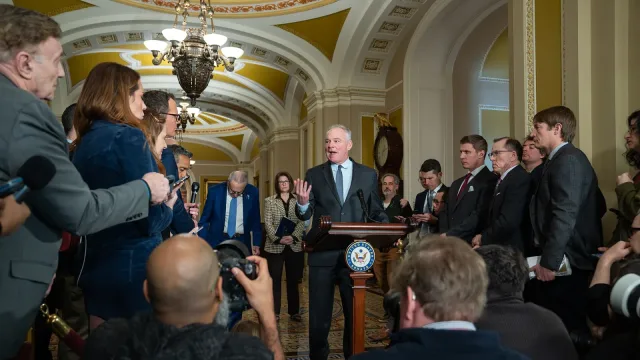
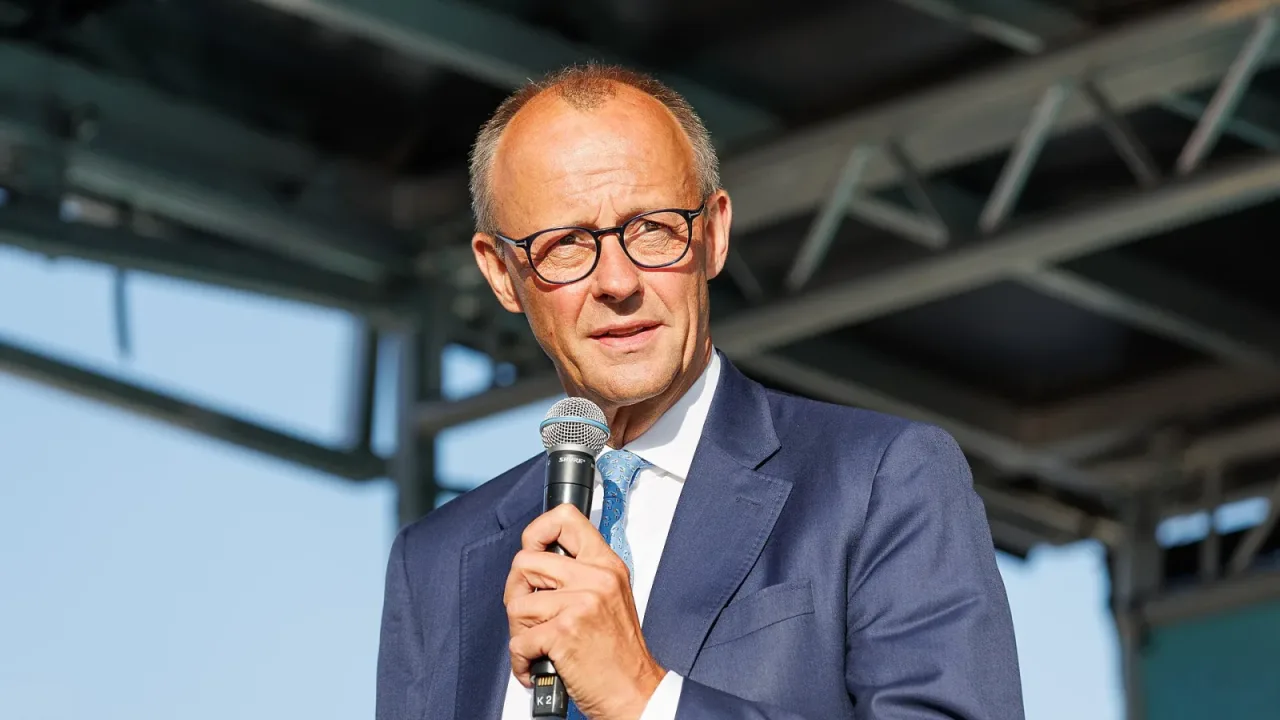
At a gathering of Kyiv’s allies in Germany’s capital known as the Coalition of the Willing, European officials firmly rejected a major-power division of the continent, drawing comparisons to the 1945 Yalta Conference. German Chancellor Friedrich Merz, who hosted more than 40 delegations in Berlin, handed attendees pieces of the Berlin Wall to symbolize resistance to spheres of influence.
Merz stressed that dividing Europe into zones controlled by major powers remains unacceptable. French President Emmanuel Macron stated that European nations must determine their own future and participate directly alongside Kyiv, Washington and Moscow in any settlement talks.
Push for Four-Way Peace Talks
The Berlin meeting took place shortly after Trump, Putin and Xi concluded a trilateral gathering in Shenzhen, where they released a four-point document titled “Declaration Toward Peace.” That statement made no explicit mention of Ukraine, prompting concern across European capitals about how peace negotiations would be structured.
To ensure representation, European allies selected a joint delegation of seven representatives from France, Britain, Germany, Poland, Italy, the European Union and NATO to lead upcoming discussions. British Prime Minister Andy Burnham echoed his counterparts, declaring that no decisions regarding Ukraine or European security would occur without their presence in the room.
Speaking from Shenzhen, Putin stated that Moscow had invited European officials to visit Russia to outline their stances before deciding on a negotiating format. He added that attempting to resolve European security matters without Europe would be impractical, though he noted Moscow would decide how to proceed after preliminary meetings.
U.S. envoy Jared Kushner, who attended the Berlin summit alongside fellow representative Steve Witkoff, supported European involvement in the process. Kushner said that including European nations remains critical to achieving lasting peace and indicated that Moscow appeared open to trusting U.S. judgment on European participation.
Security Guarantees and Winter Ceasefire Call
Discussions in Berlin also focused on long-term protection for Ukraine once fighting ceases. U.S. officials indicated that Trump is open to exploring security assurances similar to NATO’s Article 5 collective defense clause, provided such commitments align with American interests.
However, significant hurdles remain between the negotiating parties:
- European leaders proposed a European-led peacekeeping force in Ukraine, a measure Putin has previously rejected.
- The Coalition of the Willing called on Moscow to agree to an immediate energy ceasefire through the winter months.
- Allies pledged sustained military assistance to ensure Kyiv enters any future peace negotiations from a position of strength.
During the closed-door proceedings, Trump dialed into the summit from Air Force One. While media reports suggested Trump questioned ongoing military assistance, U.S. officials clarified that the president emphasized the immense human and financial toll of the conflict while encouraging all sides to pursue peace.
Burnham emphasized that European support for Kyiv remains resolute, stating that allies will continue standing with Ukraine for as long as necessary. Leaders concluded the summit by reaffirming their commitment to sanctions against Russian energy revenue and steps targeting Russia’s shadow fleet.