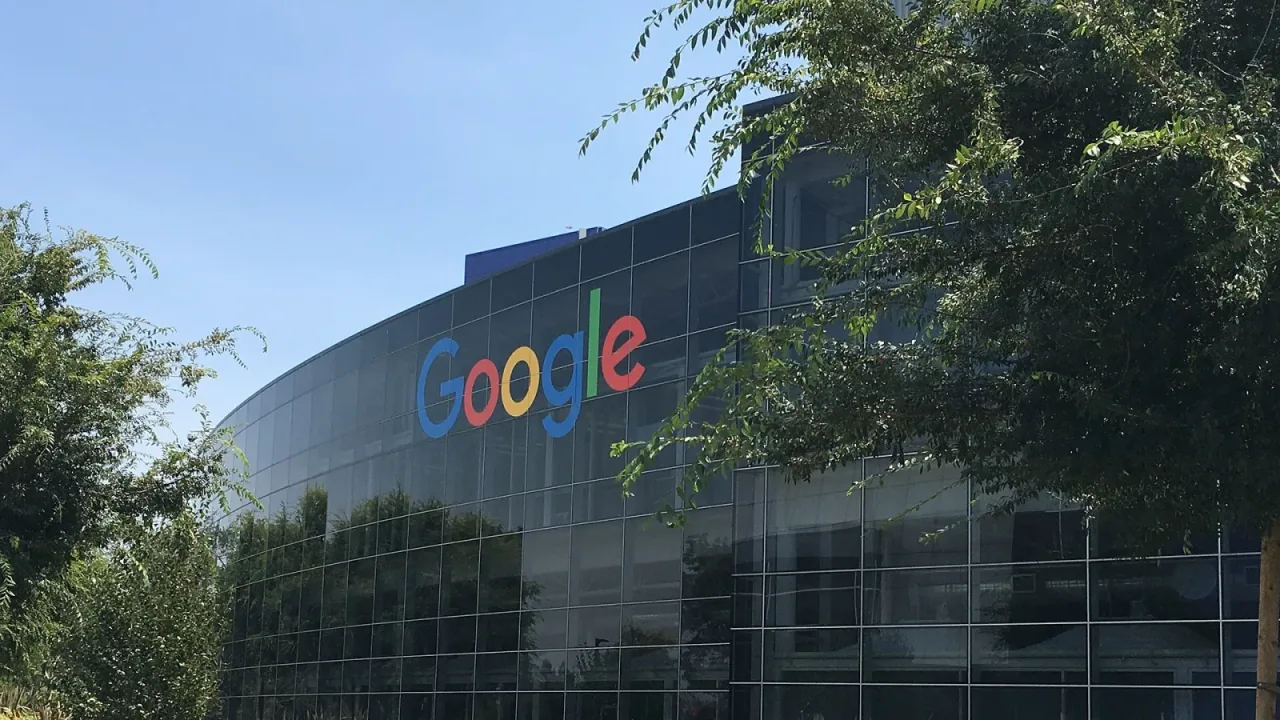
Major U.S. school districts, including New York City, Los Angeles, and Chicago, are weighing alternatives to Google Search after the tech giant announced that schools opting out of its artificial intelligence tools will also lose access to its search engine starting next year, according to news reports.
Google informed educators that districts will no longer be able to disable Gemini-powered AI features while keeping the standard search tool active. Chris Phillips, Google’s vice president and general manager of education, told The New York Times that search and AI capabilities are deeply integrated, meaning schools that choose to turn off the company’s AI tools will not have access to Google Search.
Backlash From Public Officials and School Leaders
The policy decision triggered swift criticism from public officials and education leaders across the country. New York City Mayor Zohran Mamdani accused Google of using monopoly power to force AI into public classrooms, while U.S. Sen. Bernie Sanders of Vermont and Mayor Mamdani described the company’s stance as extortion, The Verge reported. U.S. Sen. Ed Markey, a Democrat from Massachusetts, sent a letter to Google’s chief executive demanding the policy be reversed, according to NPR.
School leaders have signaled a willingness to break away from Google’s search product if the requirement remains. New York City Schools Chancellor Kamar H. Samuels stated that the district will explore other search options if Google refuses to reconsider its position. Public school officials in Chicago similarly informed Google that the district will seek alternative search solutions if an AI-free version of search is not provided.
Alternative search engine providers are already seeing increased interest from school leaders. Kamyl Bazbaz, a spokesperson for DuckDuckGo, told Newsday that the company experienced an influx of inquiries from school administrators interested in switching to its search engine, which offers search functionality without integrated AI features.
Concerns Over Student Learning and Safety
The conflict emerges as educators and parent advocacy groups express growing alarm regarding the impact of generative AI on student learning and development. Lindsay Berger, founder of the North Shore chapter of Schools Beyond Screens on Long Island, told Newsday that parents are concerned AI integration prevents students from acquiring critical research, analysis, and writing skills.
Independent watchdogs have also raised red flags about AI search tools in educational settings. Nonprofit organization Common Sense Media assigned Google’s AI Overviews product an unacceptable risk rating, citing instances of unsafe content and false information, NPR reported.
In response to feedback, Google spokesperson Laura Breen told The Verge that the company shares the goal of helping students learn and is testing step-by-step guided learning features within search. Breen added that Google is updating its controls so that the Gemini app, Gemini Notebook, and Search will remain off by default next year until administrators choose which services to turn on.
Despite these updates, districts face a difficult transition if they choose to leave Google completely. Schools across the nation rely heavily on products such as Google Classroom and Chromebooks for daily instruction, document sharing, and homework submissions.