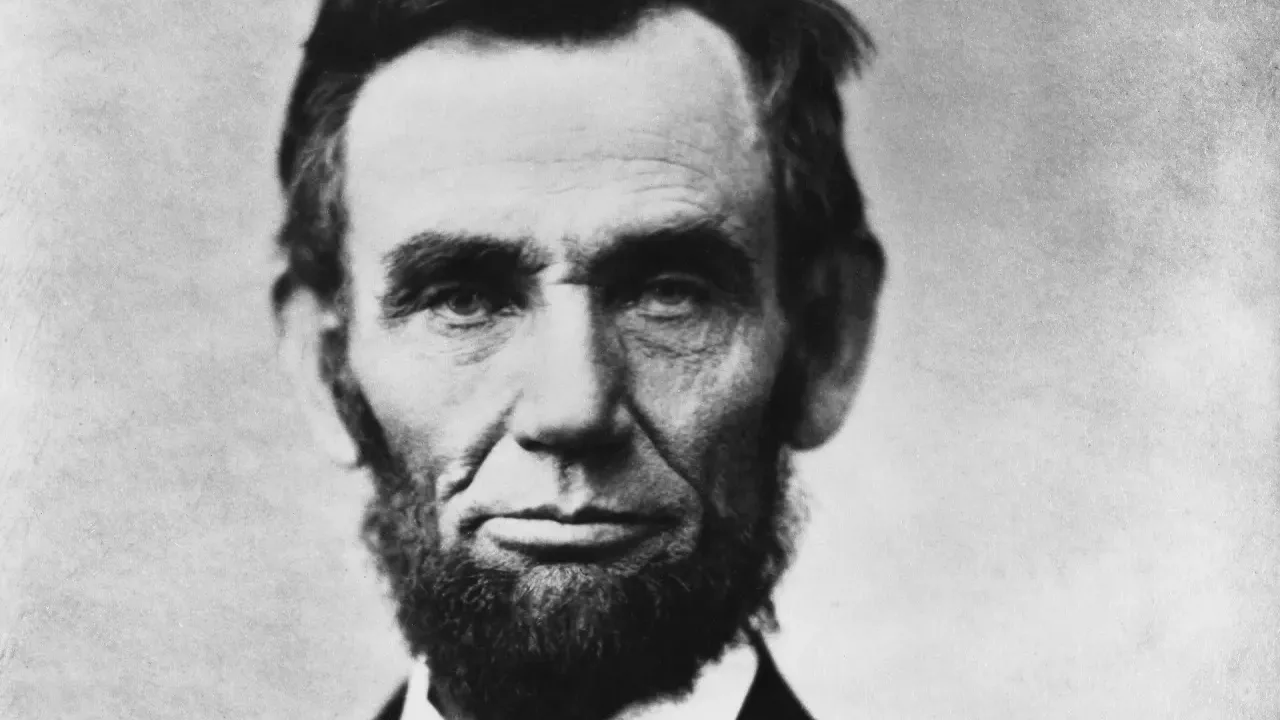
On Nov. 19, 1863, President Abraham Lincoln stepped before a crowd of approximately 15,000 people to dedicate a new national cemetery at the Gettysburg battlefield in Pennsylvania, delivering a brief address that fundamentally reframed the purpose of the American republic, according to historical accounts published by Letters from an American and The Mercury News.
Four months earlier, from July 1 to July 3, 1863, more than 150,000 soldiers from the armies of the United States and the Confederate States of America fought across the hills and pastures of Gettysburg. When the forces withdrew, more than 7,000 dead soldiers remained behind in a town with fewer than 2,500 residents. Under intense summer heat, local citizens buried the deceased hastily, marking individual graves with simple pencil markings on wooden boards.
The Road to the Cemetery Dedication
Faced with the aftermath of the fighting, local leaders pushed to create a dedicated national cemetery where fallen U.S. soldiers could receive proper burial. David Wills, a local lawyer who had sheltered in his cellar with family and neighbors during the combat, joined an organizing committee to arrange a formal dedication once reburials began.
The committee invited state governors, members of Congress, and cabinet officials. Planners selected celebrated orator Edward Everett to present the keynote speech. Because Everett required time to conduct extensive research on the conflict, organizers pushed the ceremony date back to Nov. 19.
Lincoln’s invitation arrived almost as an afterthought. Planners anticipated he might decline the trip, or offer merely brief platitudes if he appeared. Instead, the president prepared remarks that would leave a lasting mark on American history.
Two Minutes That Redefined the Nation
The dedication ceremony featured musical selections, prayers, and a two-hour address by Everett. Following another hymn, Lincoln rose in a crowd dominated by frock coats. Speaking slowly in a high-pitched voice, the president delivered his address in just two minutes.
Lincoln opened by dating the founding of the country not to the U.S. Constitution, which southern enslavers cited to protect property rights in enslaved human beings, but to the Declaration of Independence:
“Four score and seven years ago our fathers brought forth on this continent, a new nation, conceived in Liberty, and dedicated to the proposition that all men are created equal.”
While the authors of the Declaration had identified equality as a self-evident truth, Lincoln characterized it as a proposition under trial, observing that the country was “engaged in a great civil war, testing whether that nation, or any nation so conceived and so dedicated, can long endure.”
Lincoln noted that the living lacked the capacity to consecrate the terrain beyond what had already been achieved by the fighters:
“The brave men, living and dead, who struggled here, have consecrated it, far above our poor power to add or detract.”
The Unfinished Work
Rather than dwelling strictly on the past, Lincoln turned the focus toward the obligations awaiting surviving generations. He told the gathering that responsibility fell to the living to commit themselves to the mission advanced by the fallen soldiers.
He urged those present to display “increased devotion to that cause for which they gave the last full measure of devotion” and pledged that “these dead shall not have died in vain.” He concluded with the hope that the country would experience “a new birth of freedom—and that government of the people, by the people, for the people, shall not perish from the earth.”
The address remains one of the most widely cited speeches in U.S. history, marking an enduring milestone commemorated each Nov. 19 as a defining articulation of democratic governance.