The expanding regional conflict sparked by the U.S. war with Iran has pulled Saudi Arabia into severe security turmoil while shaking international energy markets, CNN and Semafor reported. Drone and missile strikes launched by Yemen’s Houthi rebels have penetrated deep into Saudi territory, disrupting flights, hitting energy assets, and rattling the kingdom’s capital, Riyadh.
The military escalation comes alongside sweeping international ripple effects from the broader war, which began Feb. 28 following joint U.S. and Israeli strikes that killed Iranian Supreme Leader Ayatollah Ali Khamenei, according to CNN and Semafor. On Friday, President Donald Trump unveiled an arrangement with Moscow to release Russian diesel to stabilize surging global fuel prices, Fox News reported, drawing immediate rebuke from Ukraine after deadly Russian bombardments followed.
Attacks strike Riyadh and critical infrastructure
Saudi territory has experienced a dramatic surge in attacks this week after years of comparative stability, according to Semafor. In the capital, an attack on Riyadh airport killed one person, ignited a Saudia Airlines jet, and forced the cancellation of hundreds of flights, Semafor reported. Multiple municipal offices, schools, and the construction site for the planned Expo 2030 event near the airport were evacuated Thursday.
At least three people, among them a Saudi pilot, died this week after Houthi assaults struck multiple airports across the nation, Saudi officials said, as reported by CNN. Foreign governments have advised citizens against traveling to Saudi Arabia, while the U.S. government now mandates special permission for officials flying through Riyadh’s airport, Semafor noted. The violence threatens key international gatherings scheduled for late October, including the Future Investment Initiative and the World Petroleum Congress, where global business executives are slated to convene.
Strained alliances and independent diplomacy
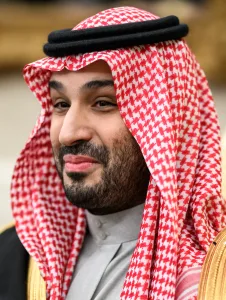
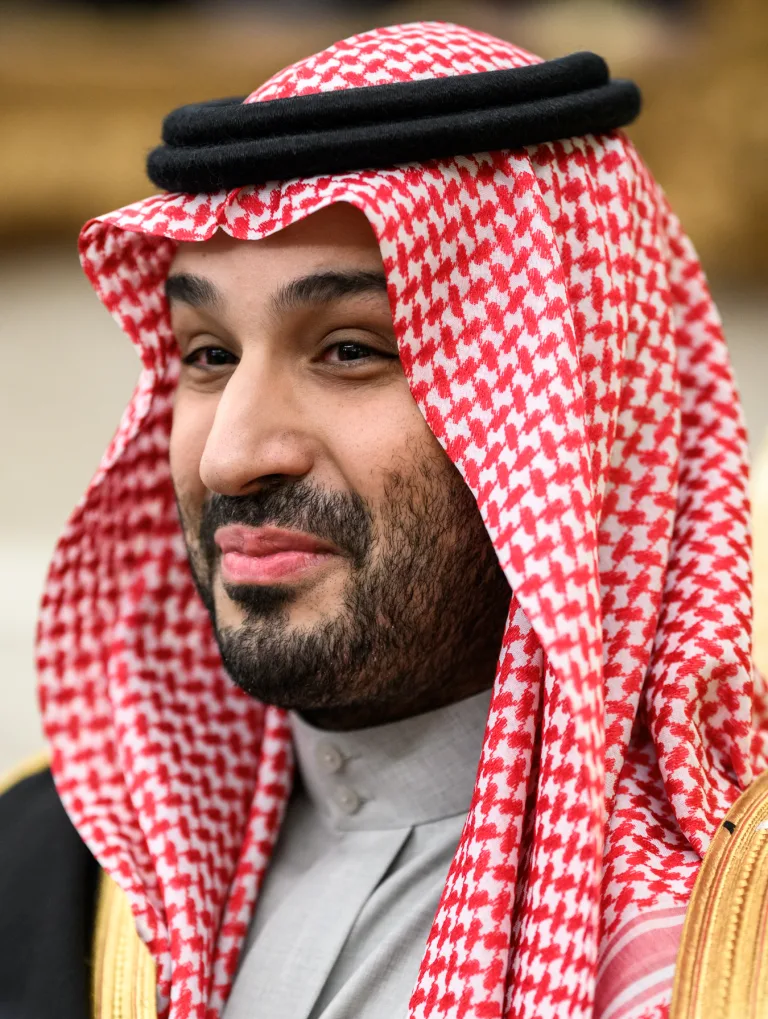
The turmoil poses a direct threat to Crown Prince Mohammed bin Salman’s multi-billion-dollar economic vision to turn Saudi Arabia into a powerhouse for commerce and tourism, CNN reported. Riyadh launched an offensive dubbed “Yemen’s Dawn” alongside local allies, but analysts told CNN that Saudi planning was compromised after the kingdom severed ties with the United Arab Emirates late last year and struggled to unite fragmented local fighters.
Saudi leaders have also faced disappointment regarding American military backing. Prince Mohammed appealed twice to Trump last month requesting U.S. airstrikes against the Houthis, but Trump refused to intervene, CNN reported. Instead, American envoys met Houthi representatives in Oman to preserve a bilateral truce that allows U.S. vessels to navigate the Red Sea without attack, leaving Riyadh to handle the Yemen theater largely on its own, according to CNN.
Faced with an unpredictable U.S. posture, Riyadh has sought broader support, CNN reported. Over 100 U.S. military advisers continue to supply targeting data and intelligence inside Saudi Arabia, but the kingdom also activated defense measures with Turkey and Pakistan on Monday under the Mecca Joint Defense Agreement. Additionally, France agreed to dispatch military assets, and Britain pledged refueling aircraft to assist Saudi jets.
Global energy maneuvers and Ukraine reaction
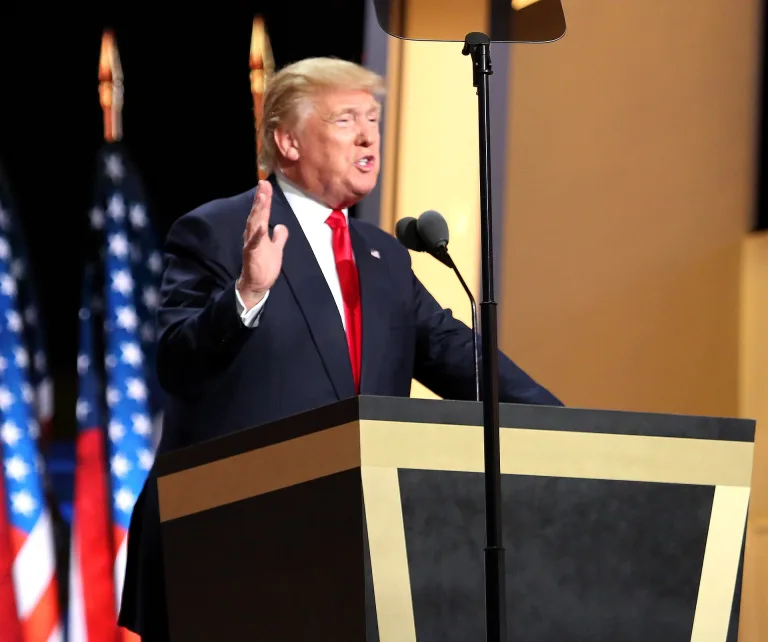
As fighting threatens Persian Gulf oil operations and drives energy prices upward, Trump turned to the Kremlin for market relief, Fox News reported. Trump stated Friday that Russian President Vladimir Putin agreed to supply “over 300,000 Tons of Diesel Fuel” immediately to the international market, followed by 500,000 tons in November and one million tons later, describing their discussion as highly successful.
The energy understanding arrived less than a month after Trump signed the Lindsey O. Graham Sanctioning Russia and Iran Act of 2026 into law, which expanded penalties on both nations, Fox News reported. On Saturday, Ukrainian President Volodymyr Zelenskyy sharply condemned the move on social media, linking the sanctions relief to a fresh barrage of five Russian glide bombs that struck apartment buildings in Zaporizhzhia, killing 12 people—including three children—and wounding 14 others.
It remains unclear whether Saudi forces and their coalition partners can halt the incoming strikes before high-profile international summits begin in Riyadh, or whether diplomatic efforts can decouple the fighting in Yemen from the ongoing U.S.-Iran war.