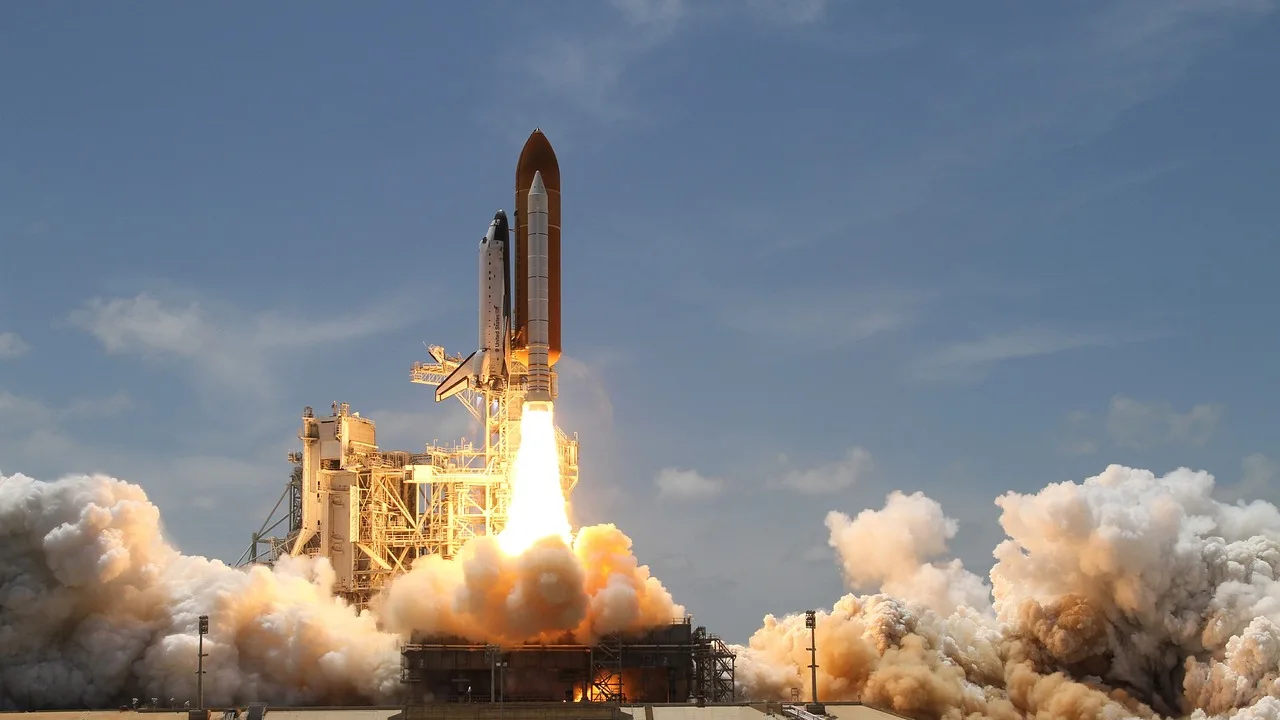
A United Launch Alliance rocket carrying 40 internet satellites for Amazon malfunctioned shortly after liftoff on Sunday, destroying the payload in the launch provider’s first total mission failure.
The 214-foot Vulcan rocket launched from Space Launch Complex 41 located at Florida’s Cape Canaveral Space Force Station. Approximately 10 minutes into its climb, the vehicle experienced an anomaly that prevented the satellite payload from reaching orbit, according to company statements.
United Launch Alliance, an aerospace partnership created in 2006 by Boeing and Lockheed Martin, confirmed the loss roughly 50 minutes after liftoff. The company reported that its launch director verified an in-flight issue, resulting in the failure of the mission. Representatives stated that technicians are analyzing telemetry data to uncover the root cause and implement fixes before resuming flight operations.
Anomalies During Ascent
Sunday’s launch was the fifth flight for the heavy-lift Vulcan rocket and its first in nine months after earlier hardware adjustments. Six solid-fuel strap-on boosters provided by Northrop Grumman appeared to function normally during initial ascent before separating roughly 100 seconds after liftoff, CBS News reported.
However, telemetry indicated potential timing irregularities as the rocket climbed. The first stage, powered by two methane-burning BE-4 engines manufactured by Blue Origin, appeared to burn longer than scheduled before separating. Following stage separation, the hydrogen-fueled Centaur upper stage ignited. United Launch Alliance confirmed that the fatal anomaly took place during the Centaur engine firing.
The mission had already suffered multiple postponements over the weekend. A Friday attempt was called off because of a facility failure involving ground-based gaseous nitrogen, while a Saturday attempt was scrubbed due to networking issues between the rocket and ground systems. On Sunday afternoon, launch controllers halted the countdown at the T-minus 20-second mark to resolve a technical issue before clearing the rocket to take off.
Setback for Amazon’s Satellite Broadband
The destroyed satellites represented the first batch of 38 planned Vulcan launches contracted by Amazon for its Leo internet constellation. The network aims to deliver global satellite broadband services to compete directly against SpaceX’s Starlink. Reaching orbit successfully would have brought the total number of launched Leo satellites to 436.
Amazon acknowledged the failure in a statement posted on social media, noting that spaceflight carries inherent risk, particularly for inaugural mission configurations. The company stated that United Launch Alliance remains a trusted partner and expressed confidence that the launch provider will learn from the mishap.
Amazon has arranged launches across several rocket providers to build its planned constellation of more than 3,300 satellites. In addition to its contract with United Launch Alliance, Amazon has booked 24 launches aboard Blue Origin’s New Glenn rocket, 24 on Europe’s Ariane 6, and 13 on SpaceX’s Falcon 9. ULA previously placed Leo satellites into orbit using eight of its older Atlas 5 rockets.
Investigation and Next Steps
The grounding of the Vulcan fleet creates operational delays for both companies while engineers investigate the root cause. NASA Administrator Jared Isaacman publicly offered federal assistance for the investigation, highlighting the rocket’s importance to national space objectives.
United Launch Alliance pledged full transparency with Amazon and federal regulators during the inquiry. Engineers will examine propulsion systems, software, and hardware telemetry to determine what caused the upper-stage failure before seeking clearance for future missions.