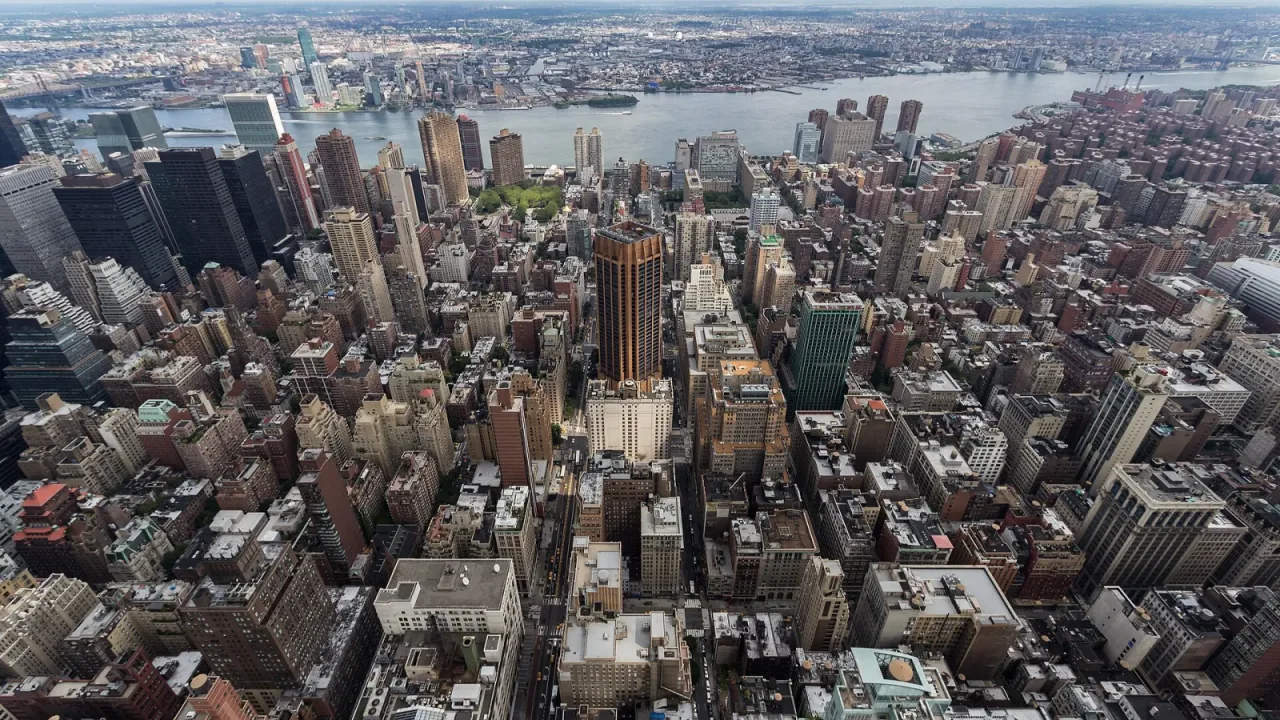
New York City has committed $70 million to establish five city-backed grocery stores designed to sell staple food products at prices 30 percent lower than typical retail rates, according to Fortune.
The municipal grocery program plans to place one store in each of the city’s five boroughs, focusing on publicly owned properties located in lower-income communities. While private managers will handle daily store operations, municipal authorities will supply rent-free commercial space and enforce mandatory discount pricing on staple goods, Fortune reported.
During an announcement in May, Mamdani highlighted the initial proposed Bronx store and its associated neighborhood development as “physical proof of our conviction that government can be a force for good.”
Backlash From Local Merchants and Trade Groups
Although five locations represent a small presence in a city containing nearly 1,000 supermarkets and more than 8 million residents, the plan has triggered intense pushback from local business groups, supermarket trade associations, and a coalition representing immigrant-owned food enterprises.
Representatives for neighborhood bodegas and independent grocers argue that municipal subsidies create unfair competition for small business owners who operate on narrow profit margins. Opponents express concern that government-supported retailers selling discounted goods will divert essential customer traffic away from existing neighborhood stores, Fortune reported.
Advocates of the policy maintain that establishing a public option creates an explicit price benchmark that allows residents to judge cost and service quality across the retail food market. Unlike conventional incentive programs, the municipal store structure mandates affordable prices as a direct condition of receiving public support.
Decades of Food Market Interventions
Government involvement in the city’s food distribution network carries a long history in New York City. In 1934, the administration of Mayor Fiorello La Guardia began offering discounted milk to lower-income households, drawing protests from private store owners over municipal interference, according to Fortune.
Similar resistance emerged during the 1990s when city leaders helped subsidize a new Pathmark supermarket location in East Harlem. Historical neighborhood data shows that small grocery stores and bodegas in East Harlem actually grew from 100 to 126 between 2000 and 2015, while local supermarkets rose from 10 to 18. However, researchers emphasize that those numbers do not demonstrate the specific financial effects on individual retail businesses.
In 2009, municipal leaders created the Food Retail Expansion to Support Health initiative, known as FRESH, which grants zoning concessions and tax relief to developers who build supermarkets in underserved neighborhoods. While FRESH requires participants to reserve floor space for fresh produce, it does not mandate discounted retail pricing for consumers.
Distinct Branding and Next Steps
To ensure public visibility and direct accountability, all five municipal grocery locations will share distinct branding that explicitly identifies city backing to consumers, Fortune reported. Proponents argue that clear municipal branding makes government support visible to shoppers, in contrast to hidden tax subsidies or indirect regulatory credits.
As the city proceeds with developing the sites, municipal officials will need to finalize operational contracts with private management firms, oversee working standards, and monitor economic impacts on neighboring private grocers across all five boroughs.