European leaders meeting in Dublin agreed Friday to send a multi-nation diplomatic team to upcoming peace talks aimed at ending Russia’s war in Ukraine, moving to ensure the continent secures a direct role in negotiations over its future security.
The joint European delegation will feature representatives from five key nations—Britain, France, Germany, Italy, and Poland—alongside leadership from the European Council and European Commission, according to European Council President Antonio Costa and reporting by The New York Times.
“Europe must speak with one clear voice and united voice in all discussion that shape the future of Ukraine and the security of our continent,” Costa said following discussions in Dublin, calling the joint representation “a team effort,” DW.com reported.
The decision comes amid growing concern among European governments that U.S.-led talks involving Washington, Moscow, and Kyiv could leave Europe sidelined. Leaders expressed fear that U.S. President Donald Trump could negotiate a settlement with Russian President Vladimir Putin that weakens Ukrainian defenses and broader European stability.
French President Emmanuel Macron urged European unity on Thursday, stating that “without Europeans, there is no support for Ukraine” and affirming that European nations must decide their own future security, ABC News reported. Irish Prime Minister Micheál Martin emphasized that European representation “can’t just be European Union” because non-EU allies such as Britain and Norway play crucial roles in supporting Kyiv.
U.S. Response and Kremlin Skepticism
The choice to send a negotiating team followed calls from Washington for Europe to designate a single spokesperson. U.S. envoy Jared Kushner noted earlier in the week that if Europe could select one person to represent the continent, “that would be a bigger achievement than getting the Russians to include them in the negotiation,” according to reports.
However, Kushner and Ukrainian President Volodymyr Zelenskyy both confirmed following talks in Dublin and Abu Dhabi that European envoys would be included in the next round of negotiations, with Zelenskyy noting European delegates “will have a voice.”
The Kremlin has remained cool to the idea. Kremlin spokesperson Dmitry Peskov criticized European divisions, remarking on Thursday that “the Europeans squabble like spiders in a jar” and requiring Europe to name its representative before progress could occur, ABC News reported.
Internal rivalries within the EU also persist. EU foreign policy chief Kaja Kallas maintained that she holds the primary mandate for representing European foreign affairs, telling reporters, “I’m the one who is representing Europe in the foreign and security policy,” despite acknowledging Moscow’s reluctance to deal with her.
Strategy and Next Steps
European officials are also grappling with strategic questions over when to discuss Russia’s demands regarding regional security architecture, such as NATO troop deployments and buffer zones. Politico reported that while Kallas maintains European security structures should not be discussed until after a Ukrainian peace deal is finalized, other EU officials in Abu Dhabi suggested parallel negotiating tracks could address both issues simultaneously.
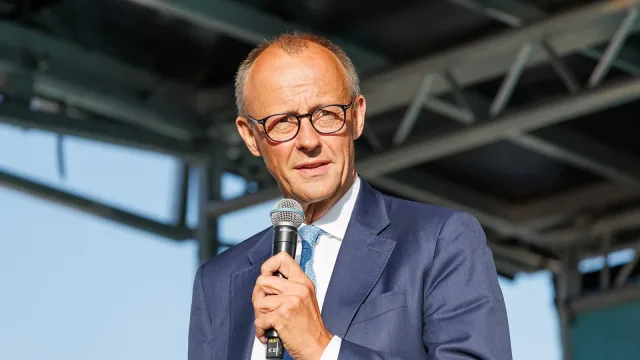
With Trump scheduled to travel to Beijing next week to meet with Putin, European leaders stressed the need to prevent unexpected agreements. German Chancellor Friedrich Merz called for allies to avoid surprises and remain aligned with Ukraine, while Latvian Prime Minister Andris Kulbergs argued that Europe’s economic and population size should give it greater confidence in negotiations.